



Published: July 7, 2025
SUAKOKO, Bong County – More than a year after returning home from Ghana, a group of Liberian returnees sheltered in a rundown structure at the Central Agricultural Research Institute (CARI) compound say they have been left to fend for themselves, with no meaningful support from the government.
Shelly Y. Johnson, one of the returnees, recalled arriving in Suakoko on June 10, 2024, full of hope. That optimism quickly faded.
“What we found was an empty, broken-down building with no electricity, no medical care, and hardly any food,” Johnson said. “We were told we’d be resettled, but we were abandoned.”
She said they recently received a one-time cash distribution of $245 from Samaritan’s Purse, but that money didn’t go far.
“Some used it for food or basic supplies, but it didn’t last,” she said.
According to Johnson, the only assistance the Liberian government has provided came last September through the Liberia Refugee Repatriation and Resettlement Commission (LRRRC), which issued $300 per family. Since then, the group says there’s been nothing.
“We’ve heard promises that more help is coming,” she said. “They took our names. I even submitted my catering certificate from MVTC in Ghana. But we never heard back.”
Johnson and others say the resettlement process has been riddled with neglect and alleged corruption.
“We saw our names on lists for packages that never came,” she said. “People collected our documents and left, never returning. It’s like we’ve been erased.”
Accusations of Mismanagement
Many of the returnees blame both past and current leadership at the LRRRC for what they describe as a deepening crisis. Former Executive Director Patrick Worzie is currently under criminal investigation for allegedly mismanaging returnee funds, a controversy that has only fueled distrust among those he was supposed to serve.
The situation, they say, has worsened under the current acting management team.
“We’re worse off now than under Worzie,” said one returnee. “The people in charge now don’t talk to us. They don’t check on us. We’re just left here.”
From Refuge to Ruin
Before returning to Liberia, many of the returnees lived in refugee camps in Ghana under challenging conditions—makeshift shelters, overcrowded schools, limited access to healthcare. But what they’re experiencing now, they say, is worse.
“In Ghana, at least things were organized, even if hard,” said Johnson. “Here, we’re home, but we’re suffering more. How can that be?”
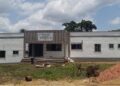
Their current shelter is a large, crumbling hall with cracked walls and no ceiling. There’s no consistent power supply unless they manage to scrape together money for a few hours of prepaid electricity. At night, snakes, rats, and scorpions roam the building. Thunderstorms leave children soaked and shivering in fear.
“When it rains, we don’t sleep. We just stand and pray,” Johnson said. “The roof shakes. Rainwater pours in. It’s not a home.”
Basic meals consist of dry rice with no soup. Medical services have vanished.
“We had nurses, but they left because they weren’t getting paid,” she said. “Now if a child gets sick, we have to figure it out ourselves.”
Even more heartbreaking is the fact that none of the children in the group have been in school for over a year.
“We brought them home expecting stability,” Johnson said. “Now they just watch other children walk to school while they stay behind. They’re growing up without an education.”
A Plea for Help
Asked what they need most, Johnson didn’t hesitate.
“We need a safe place to live. We need our children back in school. And we need real help—not just empty talk.”
While the government celebrates returnee integration in official reports, the reality in Suakoko tells a different story. For these families, the dream of coming home has turned into a daily struggle for survival, with no end in sight.
Their biggest fear, Johnson said, is not the hunger or the rain.
“It’s being forgotten,” she said. “We didn’t come back from Ghana to suffer like this. This is our country. But every night, all we can do is pray to survive until morning.”




Discussion about this post