


Published: October 23, 2026
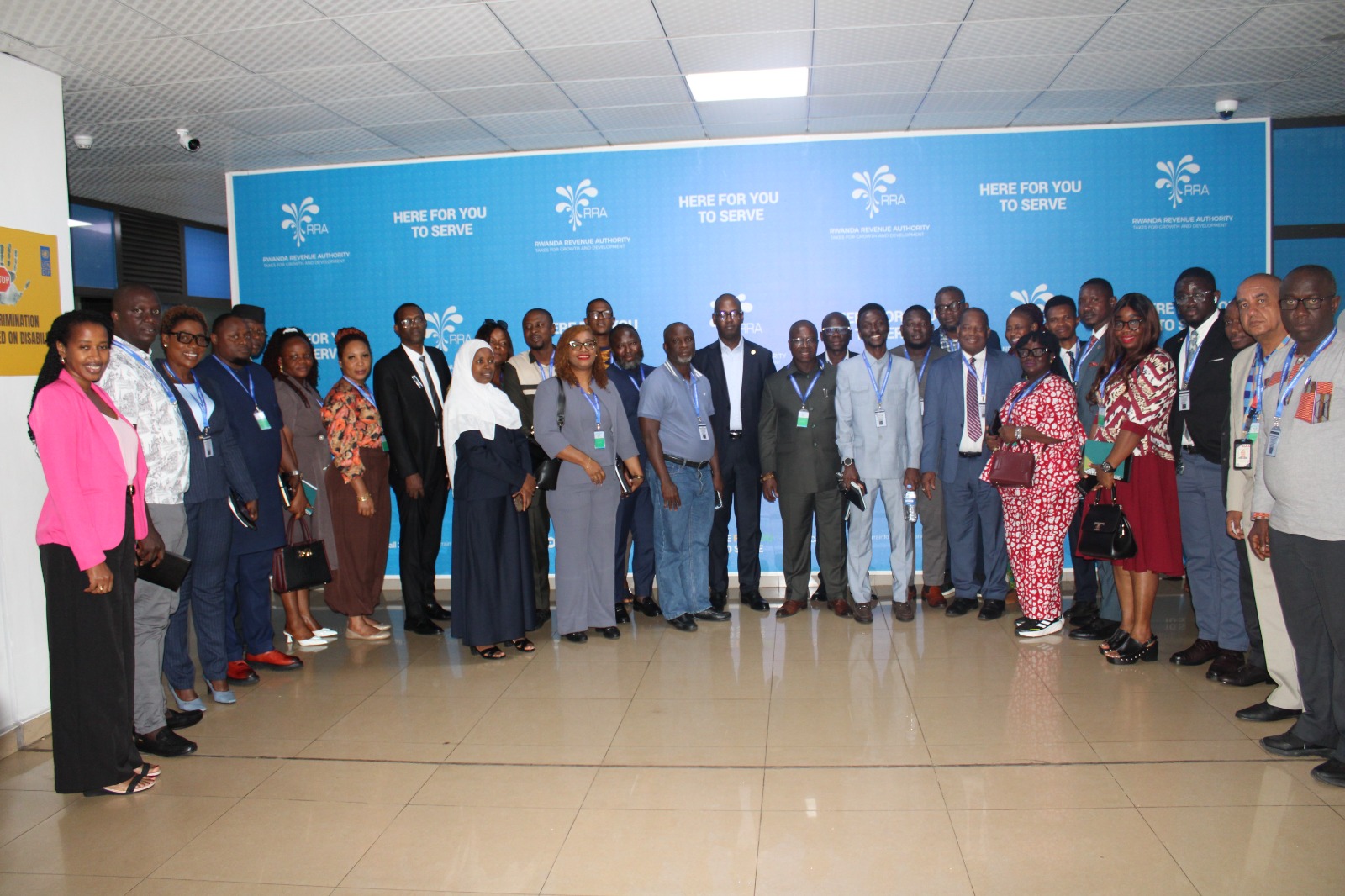
KIGALI, Rwanda — Liberia is looking to Rwanda’s technology-driven approach to revenue collection to speed up decentralization reforms that have struggled to take hold since the Local Government Act passed in 2018, a senior Liberia Revenue Authority official said Thursday.
Margrete P. Krote, the LRA’s commissioner for domestic tax, told officials of the Rwanda Revenue Authority in Kigali that Liberia remains committed to its decentralization program and wants to learn from Rwanda’s use of technology to improve revenue collection and public service delivery. She spoke during a meeting with the RRA as part of a Liberian government study tour of Rwanda.
“Rwanda has evolved significantly over the last decade, especially in technology and transformation. We in Africa are looking up to Rwanda because of the work you are doing,” Krote said.
She acknowledged that Liberia has faced challenges in implementing its decentralization reforms and said continued engagement with Rwanda could help the country identify practical ways to accelerate the process. She described the study tour as an opportunity to strengthen cooperation between the two countries and to turn lessons from Rwanda into practical reforms at home.
RRA Commissioner General Ronald Niwenshuti, who welcomed the Liberian delegation, said his institution was willing to share its experience in revenue mobilization and decentralized tax administration, and warned that digital transformation cannot succeed if a revenue authority works in isolation.
“You can digitalize as a tax administration, but you can never succeed if you are digitalizing alone,” Niwenshuti said.
He said effective tax collection, particularly of property taxes, depends on accurate information and cooperation among government institutions, land registries, financial institutions and the private sector. He said those partnerships help revenue authorities identify taxable properties, improve records, and strengthen compliance.
Niwenshuti also stressed the need for leadership and coordination between national revenue authorities and local governments. In Rwanda, he said, the revenue authority works with district leaders and local authorities to collect taxes and fees that help finance local government.
Earlier Thursday, the Liberian delegation visited Irembo, Rwanda’s digital public service platform, which allows citizens to apply online for a range of government services, including marriage certificates. The visit was part of Liberia’s effort to understand how digital systems can simplify administrative processes and improve access to public services.
The study tour brings together representatives of Liberian government institutions to examine Rwanda’s experience in decentralization, public financial management, revenue administration and digital service delivery.
Liberia is pursuing decentralization reforms to strengthen local governance, expand community participation in public decision-making, and improve the management of public resources at the county level. The government is also advancing revenue-sharing arrangements and has deployed county treasurers in six of Liberia’s 15 counties to put resources in local hands and bring government closer to communities.



Discussion about this post