


Published: April 22, 2026
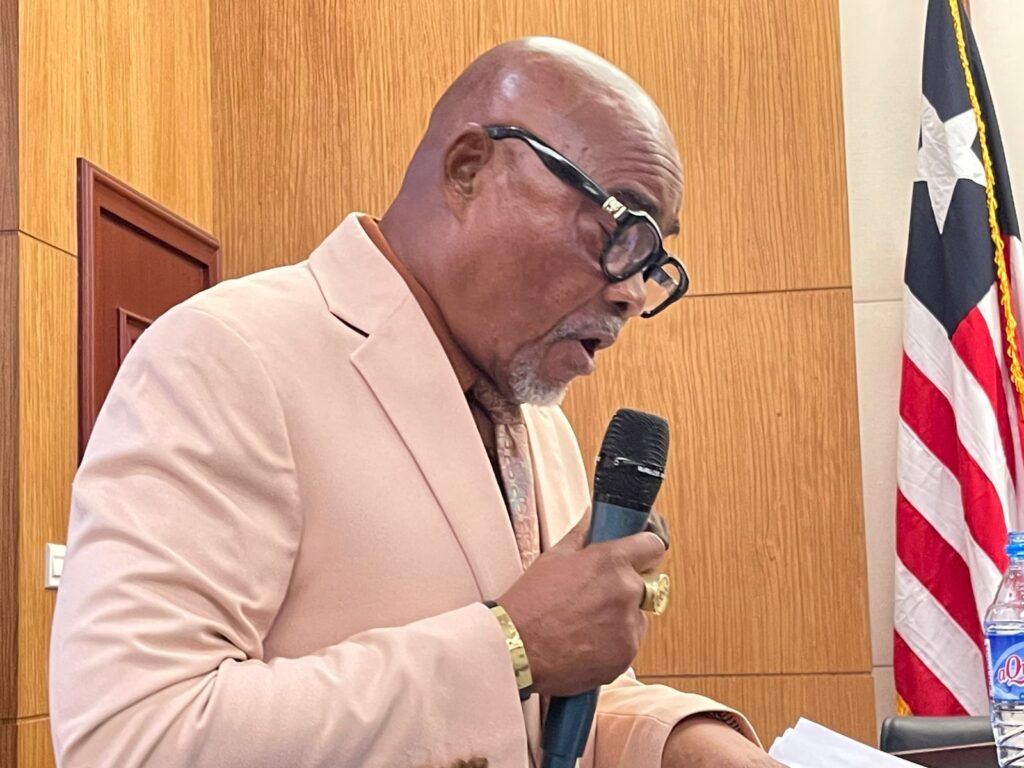
Monrovia — The House of Representatives opened debate Thursday on a proposal to expand its membership from 73 to 89 seats, acting on a report from its Special Committee on Elections that ties representation to population data from the 2022 National Census.
The proposal would create 16 new seats through a county-specific, tier-based apportionment framework while guaranteeing that no county loses existing representation. Lawmakers are scrutinizing the plan during ongoing deliberations, though no timeline for passage has been set.
At the core of the committee’s recommendation is a departure from a single national districting standard. Under the proposed framework, each county’s threshold is determined by dividing its population by an assigned tier quota. “There is no single uniform national threshold,” the report states, noting that representation under the system is tailored to each county’s population realities.
Montserrado County would record the largest gain, moving from 17 to 20 seats. Nimba would increase from 9 to 11, Bong from 7 to 9, and Lofa from 5 to 7. Margibi and Grand Bassa would each go from 5 to 6 seats, while Grand Gedeh, Grand Cape Mount, Maryland, Sinoe and Bomi would each move from 3 to 4. River Gee, Gbarpolu, Grand Kru and River Cess would see no change.
The committee argues the new model addresses long-standing imbalances in which some lawmakers represent significantly larger populations than others, particularly in densely populated counties.
The report calls on the National Elections Commission to begin constituency delimitation planning immediately upon legislative approval and Senate concurrence, requiring the redrawing of electoral boundaries in line with updated seat allocations. The committee is also urging the Legislature to pass enabling legislation formally codifying the tier-based framework and the 89-seat configuration to ensure consistent application in future census-based reapportionment cycles.
The proposal has drawn mixed reactions. Supporters argue the expansion is necessary to strengthen democratic fairness and ensure equal representation in fast-growing counties. Critics warn that a larger legislature could strain government spending and raise efficiency concerns.
Political observers note the creation of new districts could reshape electoral dynamics ahead of future elections, intensifying competition and potentially redrawing established political strongholds.
The committee maintains that preserving all existing seats while adding new ones balances reform against stability. If adopted, the expansion would rank among the most significant electoral reforms in Liberia in recent years.




Discussion about this post