


Published: April 17, 2026
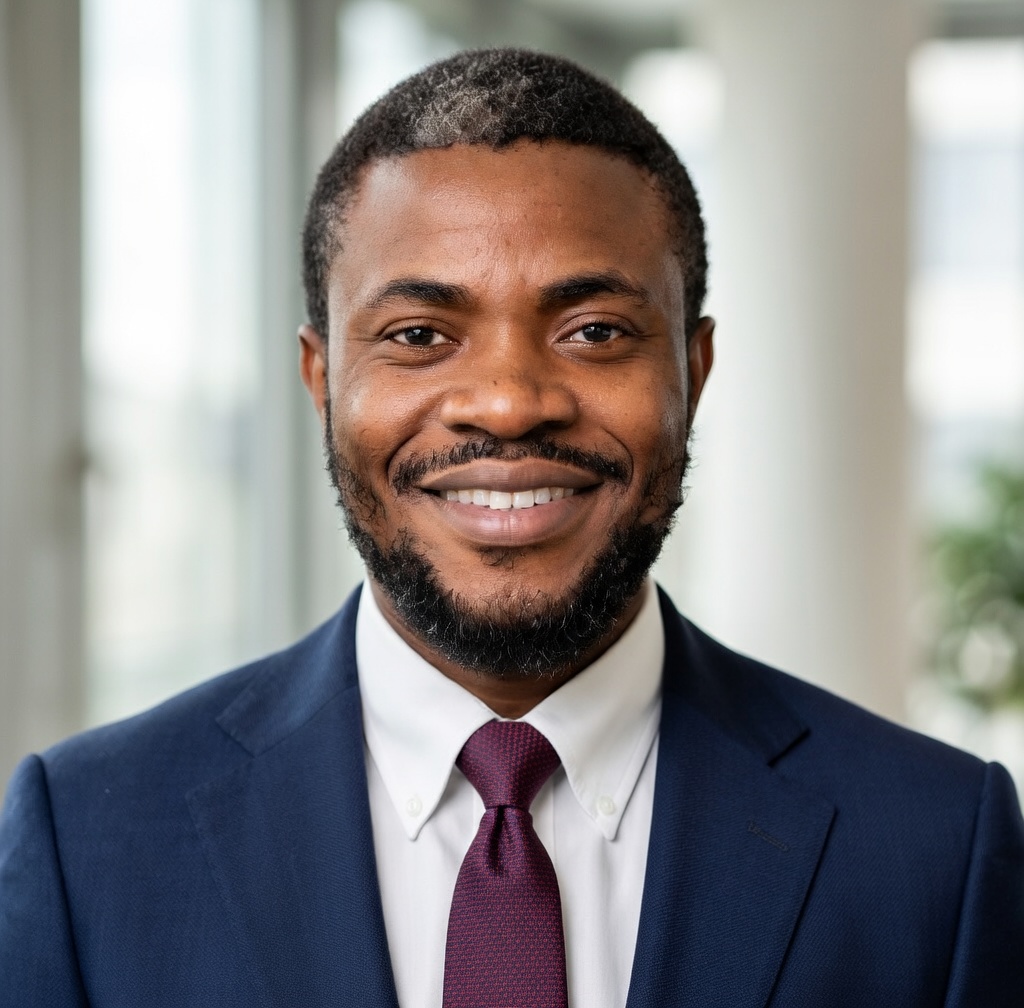
MONROVIA — Twenty students were beaten and jailed for staging a peaceful protest on a university campus. That was enough for Hassan Kenneh to pick up his pen from Hamburg and tell President Joseph Boakai, in plain language, that winning an election does not make a government democratic.
In a public statement released this week, the Liberian humanitarian and politician accused Boakai of governing in ways that contradict the democratic values his government rode to power on, a charge made sharper by the fact that Kenneh is not an opposition operative firing from a partisan position, but a civic voice offering what reads as a genuinely troubled assessment of where Liberia is heading.
“Although the government came to power through democratic means,” Kenneh wrote, “some recent actions appear inconsistent with democratic values.”
The students, members of the Student Unification Party at the University of Liberia, had organized a demonstration on campus when police moved in. The crackdown is the sharpest example Kenneh cites, but not the only one. Since mid-2025, Liberians have taken to the streets repeatedly — students, workers, market women and ordinary citizens pushed to the edge by corruption, rising prices and a widening gap between what the Boakai administration promised and what it has delivered. What many of those protesters encountered, Kenneh argues, were not officials willing to listen. They encountered force.
His criticism of the police is direct. Law enforcement, he writes, exists to protect citizens and preserve order, not to insulate those in power from public scrutiny or turn the streets into places of fear. When officers are deployed against peaceful gatherings, he argues, they are no longer serving the public. They are serving the government. That distinction, in his view, goes to the heart of what a democratic state is supposed to be.
Kenneh is careful not to relitigate the 2023 election. He does not contest how Boakai came to power. What he contests is the idea that winning an election is a license to govern without accountability. A mandate, he argues, is a beginning and a responsibility.
The irony he raises, though without dwelling on it, is hard to ignore. Between 2018 and 2023, Boakai endorsed protests, stood publicly against the administration of his predecessor and invoked the right of every Liberian to speak freely and demand better governance. That same right, his critics now argue, is what his government is in the business of suppressing.
Kenneh writes from a particular vantage point. He is part of a generation of Liberians scattered across Europe and beyond — people who left a country still raw from civil war and rebuilt their lives inside functioning democracies. They know what those systems look like when they are working. They also know what early democratic backsliding looks like, because their own country’s history is a textbook on the subject.
From that distance, the pattern he sees in Liberia concerns him. An election result, he argues, is only the opening line. The rest of the story is told in whether citizens can speak without fear, whether students can protest without being dragged off in handcuffs, and whether the institutions of state serve the people or protect the powerful.
“A strong democracy,” he concludes, “requires respect for freedom of speech, the rule of law, and the rights of all citizens, including critics of the government.”
The students arrested on the University of Liberia campus, Kenneh’s statement makes clear, are not a threat to be managed. They are an obligation to be honored. A government that treats them otherwise, he warns, has already begun to lose something it will not easily recover.





Discussion about this post