


Published: August 3, 2026
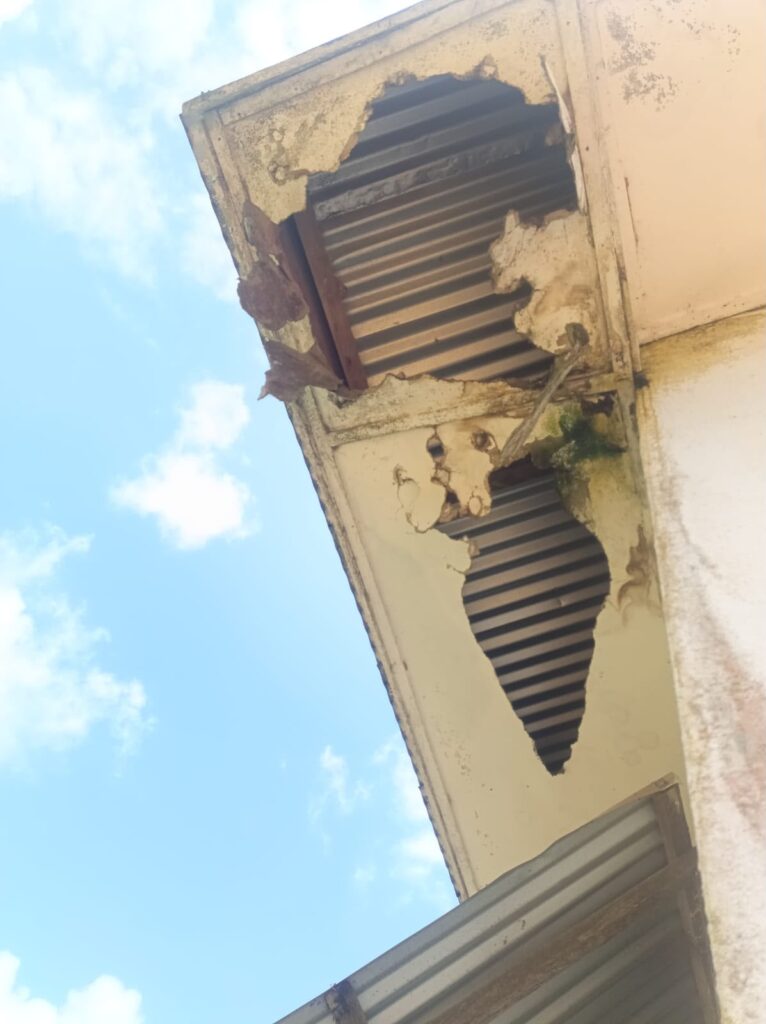
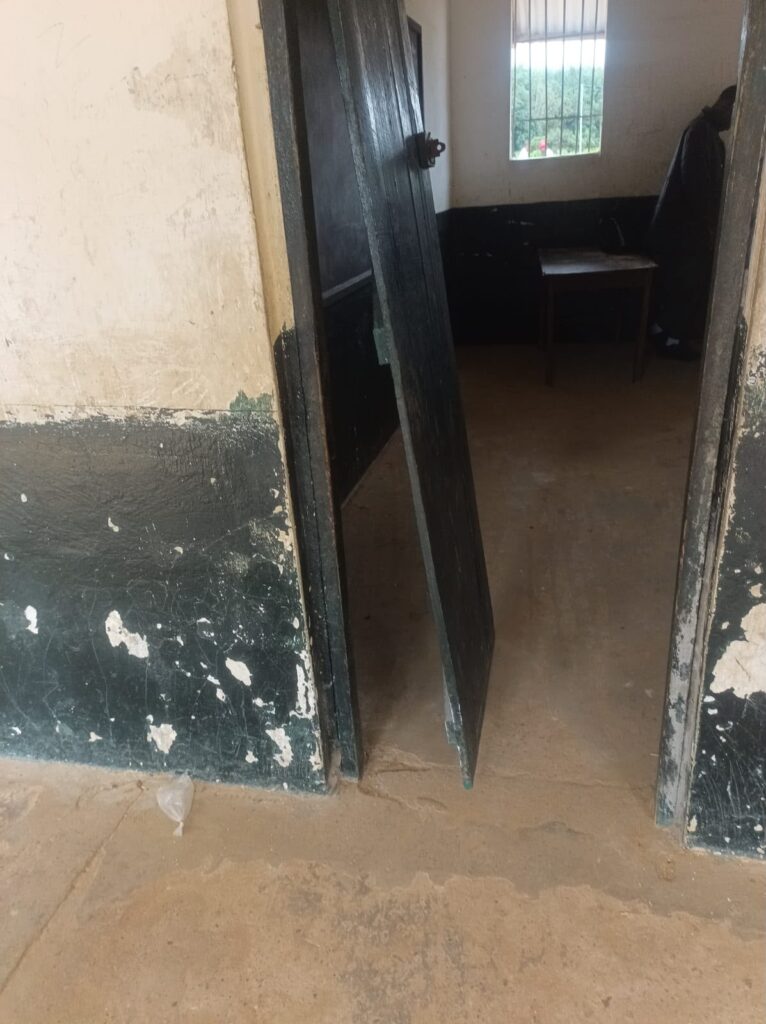
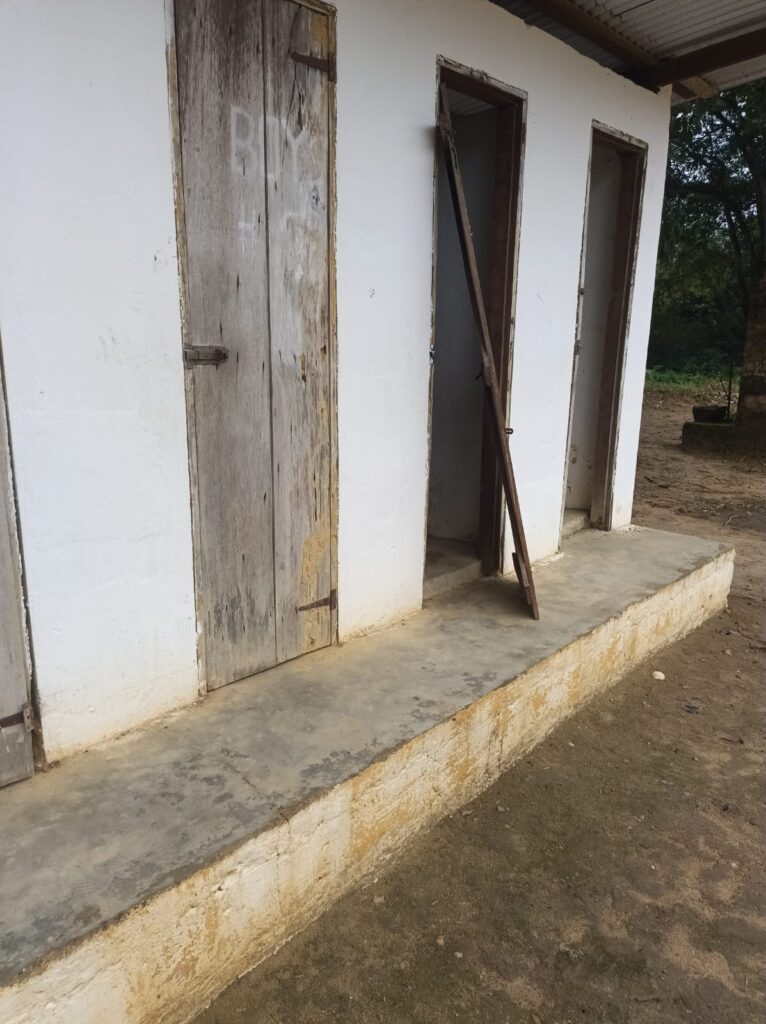
LAC Plantation, GRAND BASSA COUNTY — For over 60 years, the Liberia Agriculture Company (LAC), Liberia’s second-largest rubber plantation, has operated on thousands of hectares in Grand Bassa County while employing thousands of Liberian workers and their families. However, today many of the schools built to educate those workers’ children are reportedly in serious disrepair, raising concerns about the company’s commitment to corporate social responsibility and the government’s oversight of concession obligations.
The deteriorating conditions of schools across the plantation have fueled increasing outrage among former students, parents, and residents, who claim children are being forced to learn in unsafe and degrading environments that fall far short of acceptable educational standards.
The concerns have intensified following a public outcry by a former LAC student, Wremongar B. Joe II, who has been using social media to advocate for an immediate government investigation into “years of neglect of educational facilities serving workers’ children and surrounding communities”.
His appeal reflects a broader frustration shared by many former students and parents alike who say the decline of the once-respected LAC school system continues to lie in ruins while the government turns a blind eye.
Once a Source of Pride, Now a Symbol of Neglect
Joe recalls returning to the plantation in October 2025 to visit St. Joseph High School, once regarded as one of Grand Bassa County’s premier secondary learning institutions. Instead of finding the school he remembered, he encountered deteriorating classrooms, damaged infrastructure, and facilities no longer suitable for quality education.
Hoping the situation would improve without public attention, Joe said he privately shared photographs and concerns with individuals connected to the plantation. In July 2026, he made another assessment of several LAC-operated schools. He found little had changed.
“If anything, the conditions have become even worse,” Joe said. He says photographs documenting the situation will be submitted to relevant government institutions as part of a formal request for intervention.
“I cannot remain silent when the future of the children on the plantation is being compromised before our very eyes,” Joe wrote in one of his many Facebook posts last week.
“What is happening at the Liberian Agricultural Company (LAC) is not merely disappointing. It is unacceptable, heartbreaking, and a serious call for accountability.
“Many of these schools are no longer providing the safe and dignified learning environment that Liberian children deserve,” Joe stated, adding that students are being forced to learn in conditions characterized by deteriorating buildings, damaged facilities, inadequate sanitation, and limited access to modern educational resources.
Joe is not alone. Several former students have publicly expressed disappointment over the state of the schools.
Joseph N. Kolie, commenting publicly on Facebook, lamented that institutions which once produced some of Grand Bassa’s finest graduates have been allowed to deteriorate without meaningful investment.
“This is disheartening because some of us got quality education before the war from LAC when the Catholic Sisters were in charge; everything was ok. Those Indian guys need to e pressured to do the right thing,” he said.
Another person, Matthew Q. Kollie, added: “The situation in LAC is deteriorating, and the company uses our parents without any genuine benefits. Modern slavery has been practiced in LAC for many years, but no one is there to speak out about the facts and reality. The management doesn’t value education and is always placing semi-high school students in the top positions to micromanage them.”
Same Problem for Decades
The deteriorating condition of the schools has renewed debate over LAC’s corporate social responsibility obligations.
Large concession companies like LAC are increasingly expected to invest meaningfully in the welfare of communities where they operate – particularly in education, healthcare, housing and other essential social services. Critics argue that while LAC has operated in Liberia since 1958, many of the social facilities for workers and their families are far from modern standards.
Former students and community members say schools that should be centers of learning now require comprehensive rehabilitation, modernization, and sustained maintenance. But the company is playing wait-and-see or perhaps turning a blind eye.
Joe and many others argue that providing safe, quality education should not be viewed as charity but as a fundamental obligation to communities whose land and labor have sustained the company’s operations for generations.
Weak Government Oversight
The situation has also raised difficult questions for government institutions responsible for protecting the welfare of workers and ensuring educational standards.
Critics say the Ministry of Education should be conducting regular inspections of schools operating within concession areas to ensure they meet national standards for safety, sanitation and learning.
Similarly, the Ministry of Labour, which has a responsibility to monitor whether concession companies are meeting obligations relating to workers’ welfare, including services provided to employees and their dependents, is failing to ensure that such obligations are upheld according to applicable laws or concession agreements.
Observers say the continued deterioration of the schools suggests that oversight has been weak or insufficient.
Many are now calling for joint inspections by the Ministries of Education and Labour, alongside the National Bureau of Concessions, to independently assess the condition of every school operating within the plantation.
Part of a Wider Pattern
The concerns over education come against the backdrop of longstanding complaints from project-affected communities regarding the implementation of social development commitments by concession companies in Liberia.
Over the years, civil society organizations and community residents have raised concerns over issues including infrastructure, access to basic services, environmental impacts and community benefits in concession areas.
For many residents, the condition of the schools has become another visible reminder of what they believe is an urgent need to strengthen accountability and ensure concession agreements translate into tangible improvements in people’s lives.
As these concerns heighten, Joe and many other former students are urging the Government of Liberia to commission an independent assessment of every LAC-operated school, develop a comprehensive rehabilitation and modernization plan, and evaluate whether the company is meeting its social obligations under relevant legal and contractual frameworks.
He is also calling for a broader review of the company’s concession arrangements to ensure they reflect contemporary expectations for sustainable development and community welfare.
“The issue is bigger than old buildings,” Joe said. “It is about the future of children, accountability to workers and ensuring that communities hosting major investments receive the quality education and opportunities they deserve. A company like LAC that has operated in Liberia for more than sixty years should leave behind a legacy of opportunity and development”.
Editor’s Note: LAC’s response was not available at the time of publication. The publication will update this story to include the company’s response if and when it is received. Likewise, comments from the Ministry of Education, the Ministry of Labour and the National Bureau of Concessions were not immediately available before publication






Discussion about this post