


Published: April 8, 2026

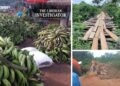
In Kuyon Town, Bong County, a child drinks from the area’s only available water source, highlighting the local water crisis
KUYON TOWN, Bong County—In the shadow of rolling hills and fertile farmland, Kuyon Town, District #3 in Bong County, is caught in a daily struggle for its most basic necessity, clean water. For over four relentless years, residents have walked miles at dawn, midday, and dusk in search of water so unpredictable and contaminated that it threatens their very survival.
Their cry for help underscores a stark reality across Liberia: when water fails, life itself is imperiled. Kuyon’s plight is not an isolated one, but a vivid reflection of the broader water, sanitation, and hygiene (WASH) challenges facing rural communities across the country.
Living on the Edge of Contamination
Residents rely on swamps, creeks, and a nearby river, locally known as “Jor,” for drinking water. These sources, they say, are unreliable and hazardous.
“We have no choice. We drink from the same water the animals use,” lamented a mother of three as she carried several jerrycans home under the blazing sun.
The situation worsens with the seasons. In the dry months, swamps and creeks often dry up, leaving stagnant pools teeming with bacteria and parasites. During the rainy season, heavy rainfall washes waste from surrounding toilets, bushes, and other areas into these water sources, further contaminating them and increasing the risk of deadly diseases.
Health Toll: More Than Just Thirst
Local health workers report frequent outbreaks of waterborne diseases, including cholera, dysentery, and diarrhea. Persistent stomach infections are common, and residents say these illnesses have led to the deaths of several children. Adults are also affected, experiencing chronic health issues that compromise their daily lives.
“This situation is beyond our control,” said a community leader, his voice heavy with urgency. “We are suffering every day just to find water that is safe enough to drink.”
Education, Livelihoods, and Lost Potential
The lack of safe water affects more than just health. Children often miss school to fetch water, while adults spend hours collecting unsafe water instead of engaging in farming, trading, or other income-generating activities. Local leaders believe a sustainable solution, such as constructing a modern hand pump, borehole, or water treatment system, could transform lives, reduce disease transmission, and restore dignity.
A Mirror of a National WASH Crisis
Kuyon Town’s water distress echoes across other districts in Bong County, including Zota, Sanoyea, and Fuamah, where access to safe drinking water remains limited or nonexistent. At the national level, Liberia continues to grapple with inadequate WASH infrastructure. According to the Joint Monitoring Programme (JMP) by WHO and UNICEF (washdata.org – Liberia), only about 70 % of Liberians have access to basic drinking water services, with rural coverage falling significantly below urban areas. Many households still rely on untreated surface water, leaving communities vulnerable to recurring health emergencies.

Daily, residents navigate makeshift sticks over the water source to collect drinking water.
Experts stress that the lack of safe water is not merely a rural complaint; it is a systemic challenge affecting public health, economic productivity, and human dignity nationwide.
Voices Missing from the Conversation
Despite interventions from the Government of Liberia and development partners, many rural communities remain underserved. Officials from ministries and agencies such as the Ministry of Health (MoH) and the Liberia Water and Sewer Corporation confirm ongoing efforts to extend WASH services but note that limited funding and logistical challenges hinder implementation.
Humanitarian organizations working in the WASH sector stress that infrastructure alone is insufficient, sustainable progress requires community-driven maintenance and local engagement.
Beyond Survival: A Human Right Deferred

Residents of Kuyon Town express their concerns to reporter Princess Flomo during her recent visit
For Kuyon Town’s residents, the struggle for water is not just an inconvenience; it is a daily threat to life, education, and livelihoods. Women and children carry jerrycans across dust-soaked footpaths, often for hours, to bring water home. Their perseverance reflects a fundamental truth: access to clean water is not a privilege, but a basic human right.
Residents are now making a passionate appeal to humanitarian organizations, government agencies, and philanthropists to prioritize their plight. They emphasize that a modern hand pump or borehole could drastically improve living conditions, prevent further illness, and save lives.
“We hope our voices will be heard, and that timely intervention will bring relief to our community,” said a resident.




Discussion about this post