


Published: May 6, 2026
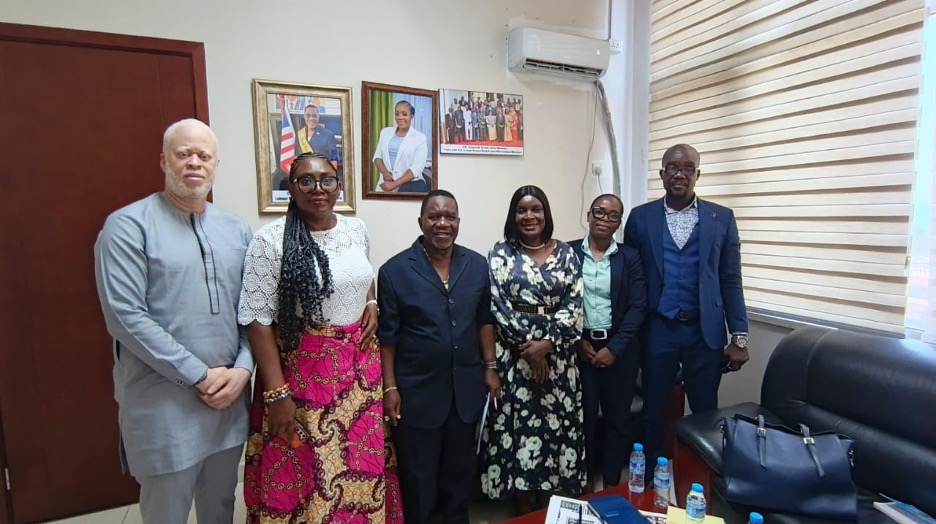
MONROVIA — A high-level delegation from the International Labour Organization’s Regional Office for English-Speaking West Africa is in Liberia to revive labor programs stalled by an internal crisis within the Liberia Labour Congress, as the ILO moves to launch a new project and develop a roadmap for a strategic decent work framework already operational in neighboring countries.
The delegation, led by Madam Innolata Aninyangarar, met with Labour Minister Cooper W. Kruah Sr. and members of the Tripartite Council, welcoming the recent reconciliation among factions within the LLC and describing the renewed unity as a prerequisite for effective collaboration.
Aninyangarar commended the minister for his role in resolving the dispute and said the mission had two immediate objectives: introducing a new ILO-supported project in Liberia and strengthening engagement with key social partners including workers’ organizations, employers, government representatives and development partners.
She said the ILO is committed to supporting Liberia in developing a roadmap for the Decent Work Country Programme, a four-to-six-year strategic framework already operational in Ghana, Nigeria and Sierra Leone. She attributed the delay in Liberia’s rollout directly to the earlier leadership crisis within the LLC.
The DWCP focuses on three priority areas: strengthening social dialogue, improving employment outcomes and developing a comprehensive national employment policy. The new ILO project support will prioritize technical and vocational education and training, employment promotion, social dialogue and the inclusion of persons with disabilities.
Minister Kruah welcomed the delegation and highlighted the Ministry of Labour’s role in facilitating the LLC reconciliation. He assured the delegation of Liberia’s readiness to fully engage in international labor processes and reaffirmed that the country’s Tripartite Delegation, comprising representatives from the LLC, the Liberia Chamber of Commerce, and the government, was prepared to attend next month’s International Labor Conference in Geneva.
The minister stressed the importance of protecting workers’ rights across both the public and private sectors, noting that while the Decent Work Act guarantees private-sector workers the right to unionize, public-sector employees are governed by the Civil Service Standing Orders, which provide for the formation of associations and ensure key protections.
Kruah said harmonizing Liberia’s labor laws, including the Decent Work Act and the Civil Service Standing Orders, was achievable but would require strong intergovernmental collaboration, comprehensive research, and expert technical support to produce a coherent policy framework.




Discussion about this post