


Published: November 2, 2026
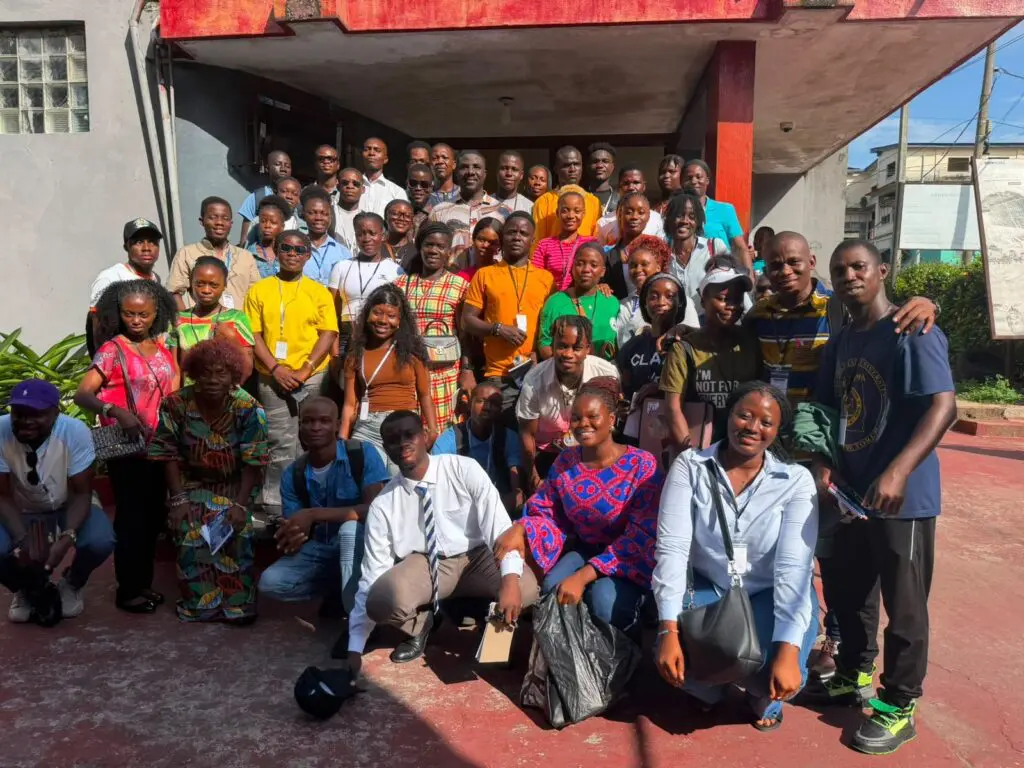
MONROVIA — The First United Methodist Church has challenged young Liberians to confront personal struggles, overcome past disappointments, and develop the discipline and leadership skills needed to shape their future, warning that fear, peer pressure, and poor decisions can undermine their potential.
By Masefane Konneh
Rev. Karyidia Paul Gartor made the call Friday, Oct. 30, 2026, during the church’s History Maker Conference, held under the theme, “My Identity, My Shadow, My Future.”
Addressing participants, Gartor emphasized that young people must understand their identity, recognize the circumstances limiting their progress and take deliberate steps toward achieving their personal and professional ambitions.
He said the conference was designed to encourage self-examination, responsible decision-making and leadership development, while preparing young people to contribute meaningfully to their communities and institutions.
According to Gartor, understanding one’s identity is essential to building confidence, developing character and making informed decisions about education, careers, relationships and future responsibilities.
Drawing on developmental psychologist Erik Erikson’s theory of identity development, the pastor explained that young people often experience uncertainty as they seek to understand themselves and determine their roles in society.
He cautioned against allowing poverty, family background, social status or other people’s opinions to determine personal worth or future possibilities.
Gartor also acknowledged that painful experiences, including abuse, discrimination, humiliation and rejection, can affect self-confidence and personal development.
However, he encouraged participants not to allow those experiences to permanently define their lives or prevent them from pursuing their ambitions.
The pastor identified physical, social and spiritual identity as important dimensions of self-understanding, emphasizing that young people should recognize their abilities, values and responsibilities.
He further challenged participants to reconsider their understanding of leadership, arguing that effective leadership requires character, discipline, vision, service and accountability rather than titles or positions.
Referencing 1 Timothy 4:12, Gartor encouraged young people to demonstrate leadership through their speech, conduct, love, faith and personal integrity.
He urged them to avoid gossip, dishonesty and irresponsible behavior, stressing that individuals seeking to influence others must first develop qualities that inspire trust and respect.
A major focus of his presentation was what he described as personal “shadows,” including fears, negative experiences, harmful attitudes and past decisions that continue to affect individuals’ confidence and progress.
Gartor explained that fear of failure, rejection, peer pressure, and unresolved disappointments can discourage young people from pursuing opportunities even when they possess the necessary qualifications.
Using examples involving job interviews and academic setbacks, he encouraged participants to recognize their weaknesses, learn from mistakes and develop strategies for improvement.
He also warned against peer pressure and the tendency to imitate others or spend beyond one’s financial means simply to gain social acceptance.
According to the pastor, overcoming personal limitations begins with honestly identifying struggles, acknowledging their effects and making deliberate changes.
He urged participants to seek guidance, examine harmful behavioral patterns and avoid repeating decisions that produce negative outcomes.
Drawing on Philippians 3:13, Gartor encouraged young people to move beyond past disappointments and focus on opportunities ahead.
He also emphasized that achieving personal ambitions requires education, practical skills, discipline and preparation rather than relying solely on dreams.
The pastor challenged participants to assess whether their relationships, habits, and daily activities support their development or keep them from reaching their goals.
He outlined five guiding principles for personal growth: know yourself, confront yourself, develop yourself, position yourself and give yourself in service to others.
Gartor explained that these principles require young people to understand their strengths and weaknesses, confront obstacles, acquire relevant skills, prepare for opportunities and use their abilities to support others.
He linked the conference to the church’s five-year strategic plan, which emphasizes youth development and preparing the next generation for leadership.
Reflecting on the church’s history, he recalled that its early members rented a building for about US$5 a month before eventually establishing their own facilities.
He said institutions must deliberately invest in young people to ensure that future generations are equipped to sustain their work and leadership.
Meanwhile, conference participant Emmanuel Menyonbeh, who described himself as a national leader interested in youth development, welcomed the initiative and encouraged attendees to apply the lessons beyond the gathering.
“I want us to be focused and take this conference very seriously,” Menyonbeh said.
He emphasized that attending conferences without applying the knowledge acquired would limit their impact, urging participants to become agents of positive change in their communities and congregations.
Similarly, Robertline Sue Sieh of Stephen Chowen United Methodist Church expressed hope that the conference would strengthen her personal development, leadership abilities and career prospects.
“The message I want to leave is the issue of shadows, hindrances to your success,” Sieh said.
She encouraged young people to identify and confront the fears and experiences preventing them from achieving their ambitions.






Discussion about this post