


Published: March 20, 2026

Grand Kru County – The County Education Officer (CEO) of Grand Kru County, Josiah S. Nagbe, has announced that at least 16 teachers will be removed from the government payroll this month as part of sweeping reforms aimed at restoring discipline and improving learning outcomes across the county’s school system.
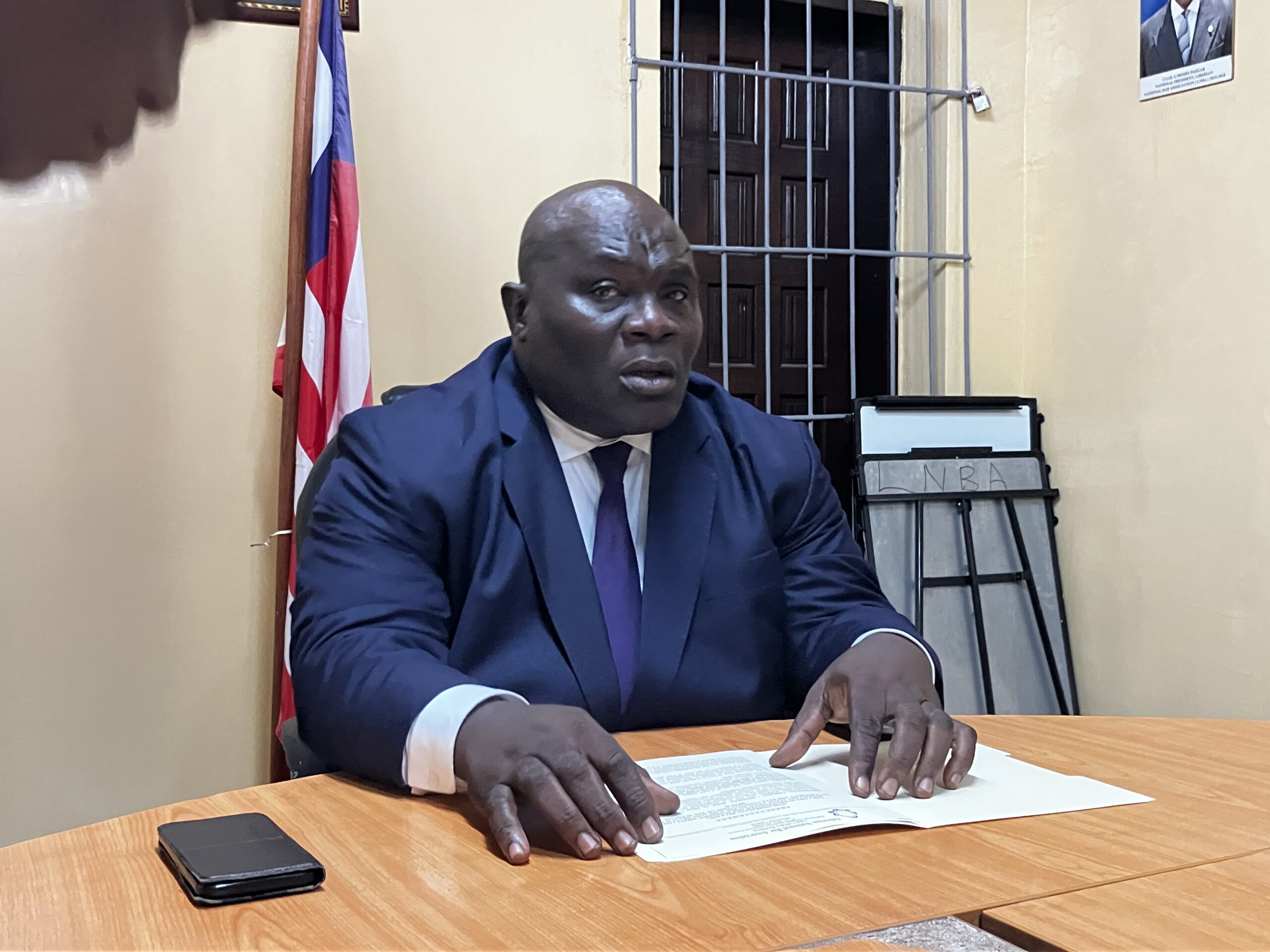
Speaking in an exclusive interview with The Liberian Investigator on Monday March 16, 2026, Nagbe disclosed that the affected teachers will have their salaries and benefits blocked in accordance with standing regulations from the Civil Service Agency.
The move, he said, targets educators who have abandoned their assigned posts while continuing to draw government pay. “This is about accountability,” Nagbe asserted. “No teacher will abandon his or her area of assignment and continue to receive government money without providing the required services.”
Reform Agenda Targets Absenteeism
Since assuming office last year, Nagbe has initiated what he describes as a robust reform agenda aimed at addressing longstanding challenges within the county’s education sector. Central to this effort is eliminating absenteeism among teachers, a problem he says has significantly undermined academic performance.
The CEO emphasized that the crackdown is not intended to victimize individuals but rather to protect the interests of students—particularly those in the 12th grade preparing for national examinations administered by the West African Examinations Council. “We have to do the right thing for our students, especially those in the 12th grade, if they must successfully pass the pending national exams,” he said.
Nagbe stressed that under his leadership, Grand Kru students must move beyond merely participating in national exams to actively competing with their peers across Liberia. “I do not want to see our county as just a participant,” he added. “Our students must be able to compete academically with others across the country.”
Deep-Rooted Challenges Persist
Beyond teacher absenteeism, Nagbe painted a troubling picture of the overall state of education in Grand Kru County. He revealed that many schools across the county’s eight education districts are in deplorable condition, with some students still forced to learn in makeshift environments. “In some areas, students are learning under trees,” Nagbe disclosed, highlighting the severity of infrastructure deficits.
While acknowledging these challenges, he noted that steps are being taken by the Ministry of Education to rehabilitate deteriorating school facilities. According to him, several existing structures—many of which were originally constructed by local communities—are now earmarked for renovation. Community involvement, he said, has been critical in sustaining education in remote parts of the county. In some instances, residents have taken it upon themselves to construct school buildings to ease the burden on students who previously studied in open spaces.
Building on Past Efforts
Nagbe also praised his predecessor for initiating improvements in the county’s education system, noting that his administration intends to build upon those gains while taking a more aggressive stance on accountability and service delivery. “Our administration remains focused and determined to address the challenges confronting students and the education system as a whole,” he said. He clarified that his policies are not driven by personal motives but by a commitment to improving educational standards. “This is not about being against anyone,” Nagbe emphasized, adding, “It is about ensuring that the children of Grand Kru County receive the quality education they deserve.”
Logistical Support and Mobility
Addressing logistical constraints, Nagbe acknowledged mobility as a longstanding challenge for education officers tasked with monitoring schools across the county’s difficult terrain. He commended Grand Kru County Senator Albert Chie for donating two motorbikes to the county school system, describing the gesture as a significant boost to oversight and coordination efforts. “These motorbikes will greatly ease our movement challenges and help us better supervise schools,” he said.
Despite the reforms and ongoing interventions, Nagbe underscored the need for broader support from stakeholders, particularly citizens of Grand Kru County. He called on sons and daughters of the county, both at home and abroad, to contribute toward improving the education system. “We cannot do it alone,” he said. “We are calling on well-meaning individuals to assist in addressing the many challenges facing our schools.”




Discussion about this post