

Published: November 26, 2026
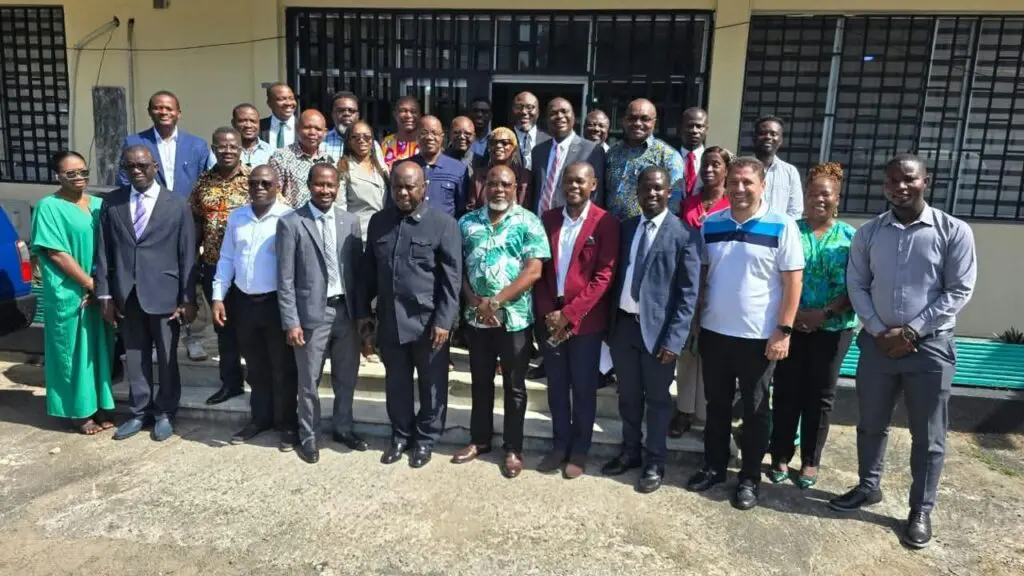
MONROVIA — Arthur W. B. Fumbah has been elected unopposed as the first president of the Liberian Institute of Tax Practitioners. The election gives the new statutory body its first leadership since President Joseph Nyuma Boakai signed the law creating it in April.
Decontee T. King-Sackie was elected vice president and L. Olandor Boyce Sr. council person, also without opposition, in a white-ballot vote. The three will serve two-year terms.
Cllr. Ade Wede Kekuleh, chairperson of the institute’s Independent Elections Commission, announced the results Wednesday at a news conference in Monrovia. She said other members declined to run against the three because of their professional qualifications, competence and experience in the public and private sectors.
“We have confidence and trust in the three elected officials, and as a body, we are with the strongest conviction that they will professionally lead the Liberian Institute of Tax Practitioners for the greater good of the country,” Kekuleh said.
The institute is an autonomous government body mandated to train tax practitioners, promote professional competence and educate the public on taxation. Kekuleh said it is expected to work with government authorities to support lawful revenue generation and strengthen professional tax practice in Liberia.
She said she expects the new leadership to rigorously vet candidates for executive director and other administrative and technical posts so it hires qualified professionals.
Under the law, the institute’s staff will include an executive director, a deputy executive director, a technical director, a comptroller and other officers, all recruited through a competitive process. The executive director will handle recruitment in consultation with the Governing Council. Members elect the president, vice president, and council members at an annual general meeting.
The institute may open local, county, and regional chapters, with offices in and outside Liberia. It will be funded by membership fees from individuals and institutions, government subsidies subject to legislative approval, service fees, and donations and grants from national and international organizations.






Discussion about this post