


Published: September 24, 2026
MONROVIA – Liberia is preparing to install its first reference-grade air quality monitor. It is part of a new project meant to give the government its own data on a health risk the country has barely measured.
The Clean Air Liberia project will be launched next Wednesday in Monrovia. The United Methodist University, the Carbon Markets Authority, and the Environmental Protection Agency run it jointly. A two-day training for government, university and public health staff comes first, on Monday and Tuesday at the Climate Action Lab at the University of Liberia on Capitol Hill.
The project already runs an 11-site air quality monitoring network in Monrovia, organizers say. A reference-grade monitor is the high-precision instrument used to check and calibrate cheaper sensors. The organizers say the aim is to move Liberia to an air quality management system the country owns and runs itself.
“Effective regulation depends on reliable data,” said Emmanuel K. Urey Yarkpawolo, executive director of the Environmental Protection Agency, in a statement. “This partnership complements the Agency’s own investments in laboratory and monitoring capacity and strengthens our ability to set standards and protect the health of every Liberian family.”
The gap the project targets is continental. The World Health Organization estimates that outdoor air pollution caused 4.2 million premature deaths worldwide in 2019, 89% of them in low- and middle-income countries. Yet only 3.7% of African governments provide fully open air quality data, according to the University of Chicago’s Air Quality Life Index. The index estimates that across Central and West Africa, the average person stands to lose about 1.7 years of life expectancy if current pollution levels persist.
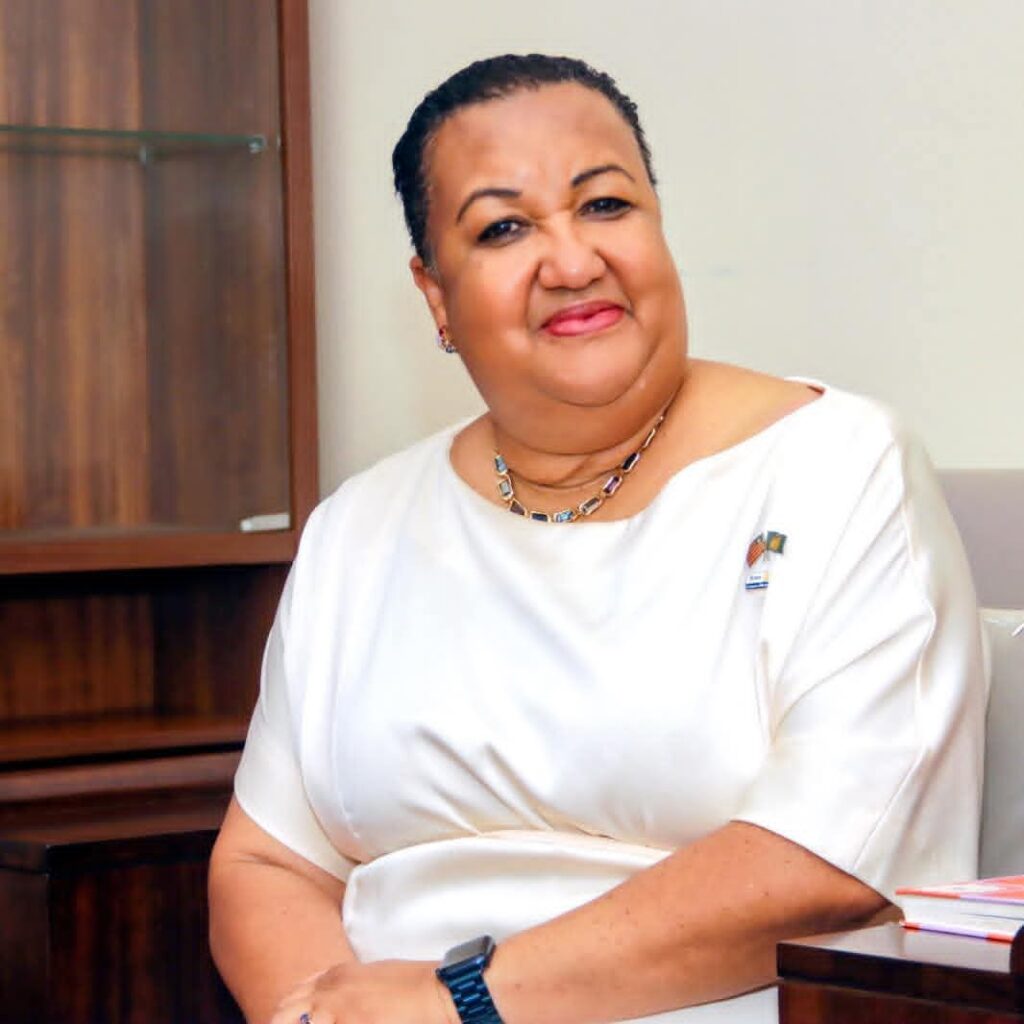
“Many of the pollutants that harm our lungs also warm our planet,” said Jeanine M. Cooper, chief executive officer of the Carbon Markets Authority and presidential envoy on climate action. “Credible, locally generated data allows Liberia to plan, invest, and engage international partners with confidence. Through this partnership, we are building that foundation for our people.”
Participants in next week’s workshop will be trained to design monitoring networks, calibrate and quality-check low-cost sensors and co-locate them with reference-grade equipment. The training also covers analyzing data in Python and R, building emission inventories, and working with air quality models and satellite observations.
“Universities exist to generate the evidence a nation needs to make sound decisions,” said the Rev. David Mulbah Tokpah, president of the United Methodist University. “Through Clean Air Liberia, UMU is training a new generation of Liberian scientists who can measure, understand, and act on the air our people breathe.”
The project’s international technical partners are:
- the Kigali Collaborative Research Center in Rwanda
- the Energy Policy Institute at the University of Chicago
- the Air Quality Sensor Evaluation and Training Facility for West Africa at the University of Ghana
The organizers said the partnership between the United Methodist University and the Kigali center received a Milestone Award from the institute’s Air Quality Fund. The award was presented at the Africa Clean Air Forum in Pretoria, South Africa, in July. The fund was launched in 2024 to help local groups install monitors and publish open data where it is most needed.





Discussion about this post