


Published: November 20, 2026
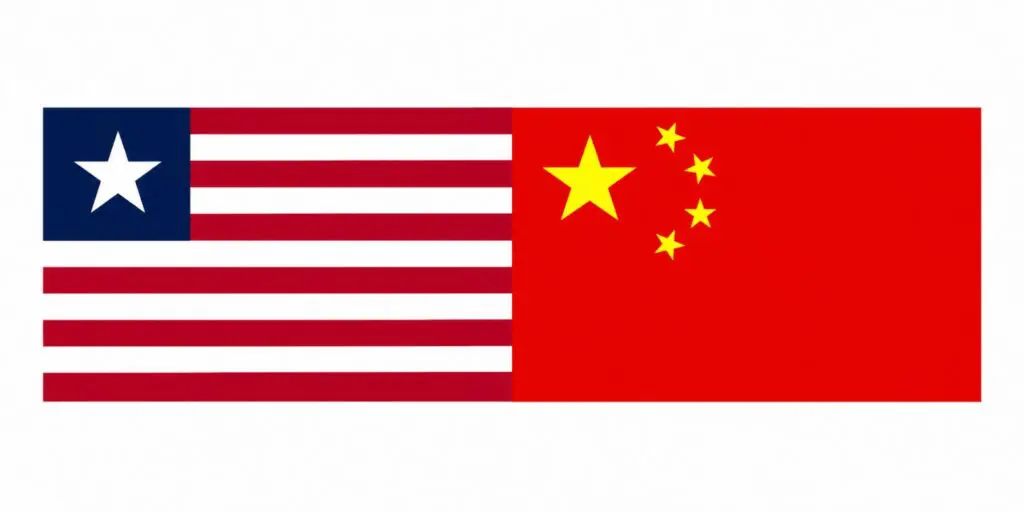
MONROVIA — Liberia and China have launched the 2026 Chinese Film Month in Monrovia, with Foreign Affairs Minister Sara Beysolow Nyanti urging Liberians to take greater control of how their country is portrayed internationally, while Chinese Ambassador Yin Chengwu emphasized cinema’s role in strengthening cultural ties and sharing development experiences.
The monthlong initiative, officially opened Thursday, Nov. 19, in Congo Town, forms part of activities marking the 2026 China-Africa Year of People-to-People Exchanges. It will feature five Chinese films highlighting poverty reduction, scientific innovation, sports, history and culture.
The screenings, scheduled from Nov. 19 to Dec. 9, are intended to introduce Liberian audiences to different aspects of Chinese society, including the country’s economic transformation and cultural heritage.
The opening film, My People, My Devotion, documents grassroots efforts by the Communist Party of China (CPC) to address poverty and promote rural development.
Speaking at the opening ceremony, Ambassador Yin described film as a means of promoting cultural understanding and strengthening relations between countries.
“Film is not only entertainment, it is an important window through which to understand a country’s history, culture and daily life,” Ambassador Yin said.
He explained that the selected films would introduce Liberian audiences to the experiences, traditions and aspirations of Chinese citizens through stories reflecting different aspects of life in China.
According to the ambassador, the initiative is also intended to strengthen people-to-people exchanges between Liberia and China beyond their existing diplomatic and economic engagements.
Foreign Affairs Minister Nyanti, meanwhile, used the occasion to raise concerns about Liberia’s international image, particularly perceptions of the country that have persisted since its civil conflicts.
She said cultural diplomacy provides an opportunity for Liberia to present its history, traditions and development experiences to international audiences.
“There are still places in the world where people believe that Liberia is still at war. So we have a duty to continue to project what we are learning,” Nyanti said.
The foreign minister called on Liberians to examine how the country’s identity and experiences are communicated beyond its borders.
“What are we putting out there about our country? What are we projecting out there? And what narrative do people have about who we are as a people?” Nyanti asked.
She recalled that many Liberians became familiar with Chinese culture through martial arts films, particularly productions associated with the Shaolin Temple.
Nyanti said the Chinese Film Month would expose audiences to other aspects of China’s history and development, including its poverty reduction programs.
Referring to China’s reported success in lifting more than 800 million people out of poverty, the minister said Liberia could draw lessons from the country’s approaches to economic development, social protection and poverty reduction.
She identified economic diplomacy and social protection as areas where Liberia wants to learn from China’s experience.
The foreign minister also emphasized the importance of cultural exchanges in promoting mutual understanding and cooperation between the two countries.
Ambassador Yin linked the film initiative to China’s governance and development policies, noting that 2026 marks the 105th anniversary of the Communist Party of China’s founding.
He also referenced the Fourth Plenary Session of the 20th CPC Central Committee and its resolution concerning Party governance.
According to Yin, China’s development policies have focused on improving living conditions and responding to the needs of its population.
“Friendship, which derives from close contact between the people, holds the key to sound state-to-state relations,” Ambassador Yin said.
He reaffirmed China’s commitment to expanding cultural cooperation and people-to-people exchanges with Liberia as part of its broader engagement with African countries.
Unity Party Chairman Rev. Luther Tarpeh, who attended the ceremony, said the films could provide lessons on leadership, governance and national development.
Tarpeh thanked the Chinese ambassador for inviting representatives of the government and other political parties to participate in the program.
He described the participation of individuals from different political backgrounds as an opportunity to promote interaction among Liberians.
Information Minister Jerolinmek Matthew Piah also addressed the gathering, emphasizing film’s role in preserving cultural heritage and communicating national identity.
Piah recalled watching Chinese movies as a child and said the initiative would give younger Liberians an opportunity to experience Chinese cinema.
He said the Ministry of Information, which regulates Liberia’s film industry, is prepared to collaborate with the Chinese Embassy on initiatives to expand access to films and cultural programming.
The minister also highlighted film’s role in documenting historical events, preserving traditions, and communicating national experiences.
Ambassador Yin said China would continue working with Liberia to expand cultural exchanges and strengthen relations between their citizens.



Discussion about this post