


Published: November 13, 2026
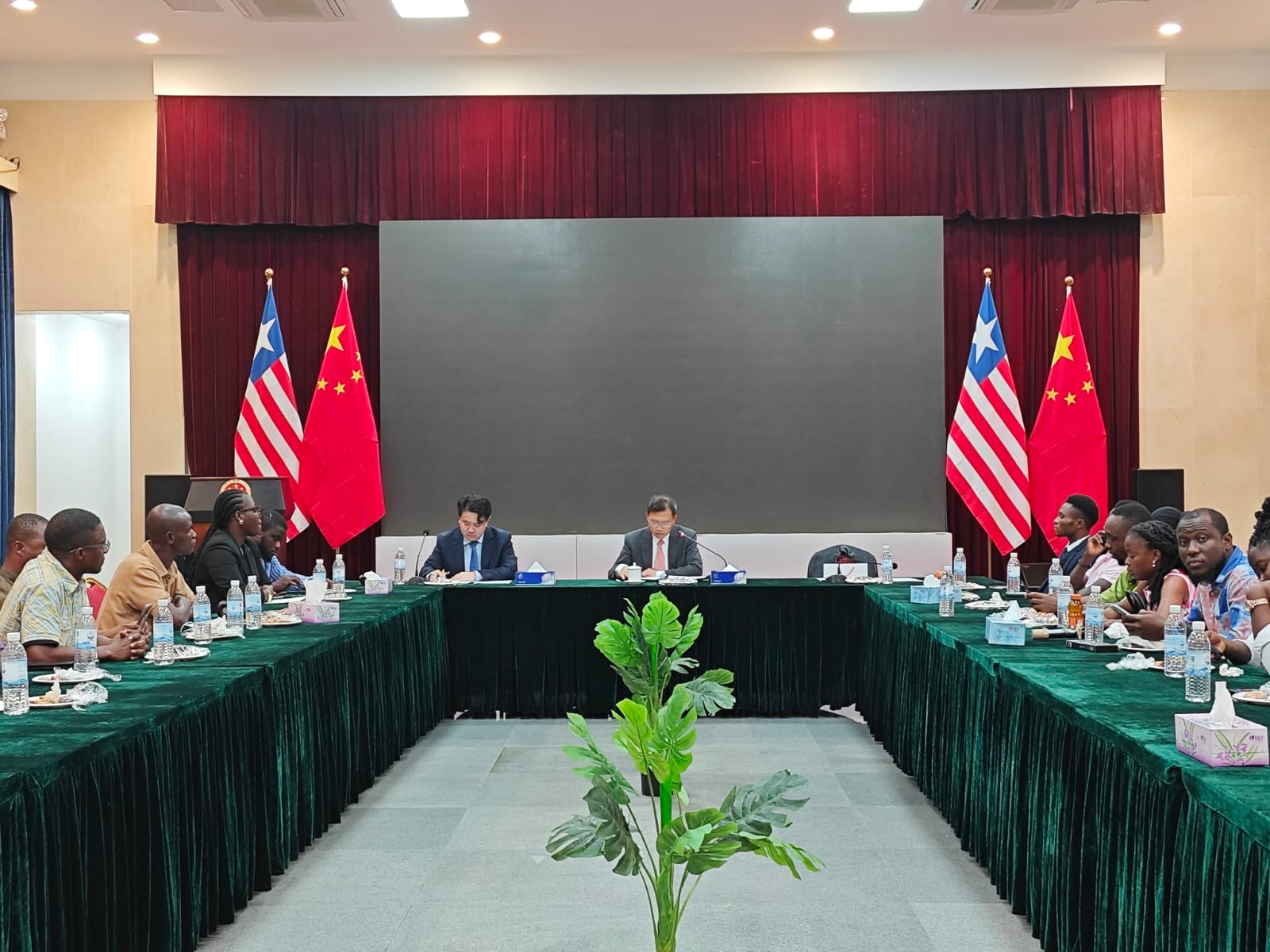
CONGO TOWN — The Chinese Embassy has issued nearly 5,000 visas to Liberians so far this year, about 25% more than last year, according to China’s ambassador to Liberia, who announced Wednesday that Liberian cocoa beans meeting China’s plant health standards can be exported to China starting Dec. 15.
“As of November, the Chinese Embassy had issued nearly 5000 visas to Liberian citizens, representing an increase of approximately 25 percent compared with last year,” Ambassador Yin Chengwu said at a media briefing.
The embassy did not break the figure down by visa category. Yin encouraged more Liberians to travel to China for business, tourism, study and exchanges.
Yin said Liberian exporters will not need to negotiate a country-specific phytosanitary protocol to ship cocoa. China has already adopted a single set of plant health standards for all 53 African countries with which it has diplomatic ties, opening its market this year to eligible coffee beans from those countries starting July 20. China has also applied zero tariffs to all taxable imports from the 53 countries, including Liberia, since May 1.
Yin urged Liberia to use China’s upgraded Green Channel 2.0 initiative, which is meant to speed African agricultural and food exports into the Chinese market.
The announcements follow Vice President Jeremiah Kpan Koung Sr.’s trip to Shanghai this month for the Ninth China International Import Expo, where he met with Chinese Vice Premier Ding Xuexiang to discuss expanding trade.
Yin said about 600 Liberians have traveled to China for training under the Chinese government’s Human Resources Development Cooperation Program, about 120 have received Chinese government scholarships to study in China, and 163 students in Liberia have benefited from the Chinese Ambassador’s Scholarship.
He also said the embassy would host a Chinese Film Month in the near future and referred to a group of Liberian journalists who recently returned from a media communications seminar organized by the Research and Training Institute of China’s National Radio and Television Administration.



Discussion about this post