


Published: July 21, 2026
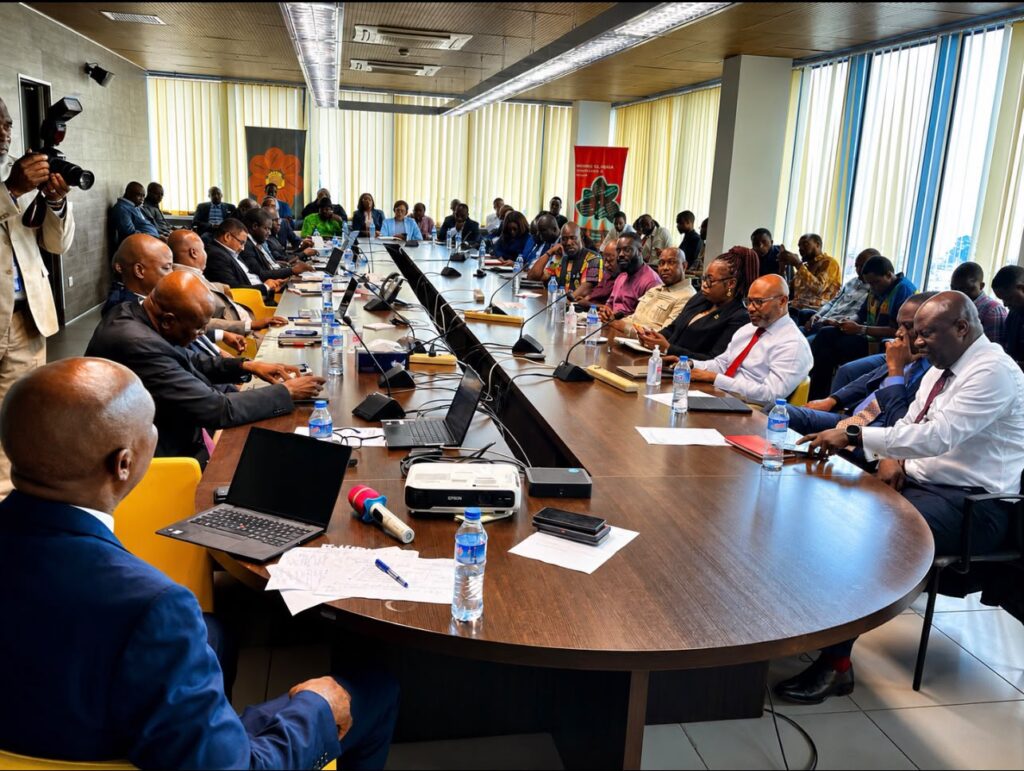
MONROVIA – The Central Bank of Liberia has cut its benchmark interest rate for the first time this year, expressing confidence that moderating domestic inflationary pressures and stronger macroeconomic fundamentals will support economic recovery despite rising global uncertainty and higher inflation.
The Central Bank’s Monetary Policy Committee announced Monday that it reduced the Monetary Policy Rate by 25 basis points, from 16.25% to 16%, following its July 15 meeting to assess global and domestic economic conditions during the second quarter of 2026.
The decision marks a shift from the Committee’s April 30 meeting, when policymakers left the benchmark rate unchanged amid uncertainty surrounding the global economy. While maintaining what it described as a tight monetary policy stance, the MPC said easing domestic inflationary pressures, exchange rate stability, stronger foreign reserve buffers and resilient financial sector conditions created room for a modest reduction.
“The Monetary Policy Rate of 16 percent remains sufficiently restrictive to reinforce the Bank’s commitment to price stability while supporting the ongoing economic recovery,” the Committee said in Monetary Policy Communiqué No. 27, presented by Deputy Governor for Economic Policy Dr. Musa Dukuly on behalf of the MPC.
The rate cut comes even as headline inflation rose to an estimated 5.4% during the second quarter, a development the Central Bank attributed largely to higher imported food and fuel prices stemming from the ongoing conflict in the Middle East. Despite the increase, the MPC said underlying domestic inflationary pressures remain contained and projected inflation would moderate to 4.4%, plus or minus two percentage points, during the third quarter.
Alongside the rate reduction, the Committee maintained reserve requirements at 25% for Liberian-dollar deposits and 10% for U.S. dollar deposits. It also adjusted the Standing Deposit Facility and Standing Credit Facility corridor to improve the effectiveness of monetary policy transmission.
The communiqué paints a challenging global picture, noting that the International Monetary Fund projects global growth will slow to 3% in 2026 from 3.5% in 2025 as geopolitical tensions, higher energy and fertilizer prices, supply chain disruptions and trade policy uncertainty continue to weigh on economic activity. Brent crude oil prices climbed nearly 30% during the quarter to US$104.43 per barrel, increasing imported inflationary pressures for oil-importing economies such as Liberia.
Despite those external headwinds, the Central Bank said Liberia’s economy remained resilient during the second quarter.
Real Gross Domestic Product is projected to grow by 5.5% in 2026, supported by stronger domestic demand and export-oriented activities, particularly in the mining sector. On a year-on-year basis, economic growth accelerated to 5.2%, up from 4.6% in the first quarter.
The MPC also highlighted improvements in Liberia’s external position, reporting that gross international reserves increased during the quarter, raising import cover to 3.9 months, above the regional benchmark of three months, and strengthening the country’s ability to withstand external shocks.
While describing the banking sector as stable, profitable and well-capitalized, the Committee acknowledged that asset quality remains a concern. Non-performing loans accounted for 12.62% of total loans during the second quarter, remaining above the regulatory threshold. While U.S. dollar-denominated non-performing loans declined slightly, Liberian-dollar non-performing loans increased, prompting the Committee to call for continued supervisory engagement and stronger credit risk management by commercial banks.
The MPC also expressed concern that bank lending remains heavily concentrated in trade, personal and services-related activities, with agriculture and manufacturing continuing to receive limited financing despite their importance to economic diversification, structural transformation and inclusive growth.
On the fiscal front, the Committee said government operations provided modest support to economic activity during the quarter through additional spending equivalent to 0.5% of GDP. However, it warned that persistent fiscal deficits and elevated public debt underscore the need for prudent fiscal management and closer coordination between fiscal and monetary authorities.
Looking ahead, the Central Bank maintained a positive outlook for the Liberian economy but cautioned that significant risks remain. The Committee warned that renewed geopolitical tensions in the Middle East, fluctuations in global commodity prices, disruptions to international supply chains, financial sector vulnerabilities and domestic revenue mobilization challenges could undermine both growth and inflation forecasts.
“Overall, the Committee remains positive that Liberia’s macroeconomic fundamentals are broadly sound, and that recent policy measures will continue to support inclusive economic growth, while safeguarding price stability, exchange rate stability, and financial sector resilience,” the communiqué stated. It added that the Bank stands ready to adjust its policy stance as necessary to preserve macroeconomic stability.
The Committee’s next regular monetary policy meeting is scheduled for Oct. 8, when policymakers will again assess domestic and global economic conditions before determining the Bank’s next policy direction.






Discussion about this post