


Published: April 17, 2026
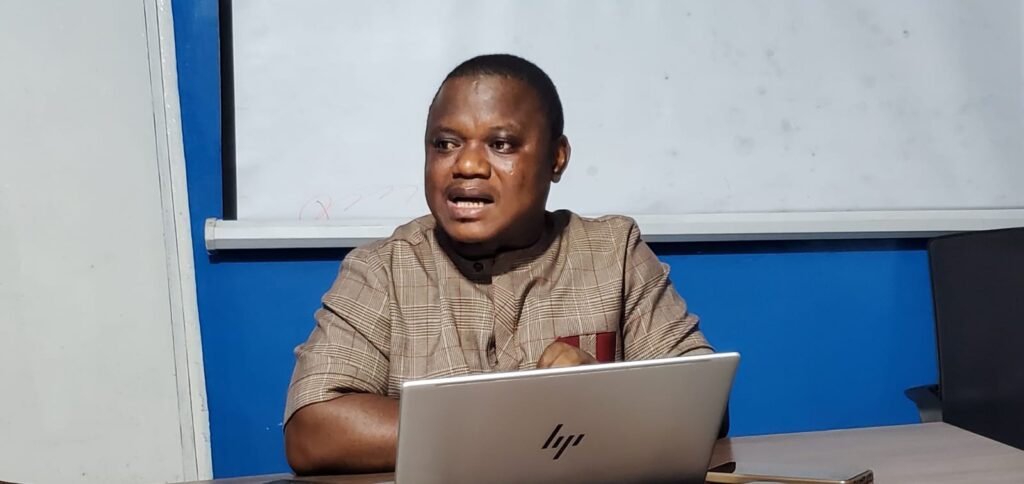
MONROVIA — Liberia’s leading anti-corruption watchdog is warning that the country’s graft prosecutions risk becoming a performative exercise unless the government’s asset recovery task force moves faster to seize stolen public funds and pursue ill-gotten wealth held abroad.
The Center for Transparency and Accountability in Liberia welcomed recent corruption charges against former Commerce and Industry Minister Mawine Diggs and several officials of the previous Coalition for Democratic Change administration, but said Thursday that indictments are only the opening act of accountability.
“The fight against corruption becomes more meaningful when outcomes are accrued beyond indictments,” said CENTAL Executive Director Anderson D. Miamen.
The charges stem from the alleged diversion of roughly $1.8 million intended for a rural women’s empowerment program. Asset Recovery and Property Retrieval Task Force Chairman Edwin Kla Martin said the indictments were based on credible evidence and due process, naming Atty. Joseph Y. Howe, Kebeh Monger, Elizabeth Finda Sambulah, Josephine Handful Greens and Kemmoh Borbor among those charged.
Miamen said CENTAL has deep concern about the slow pace of adjudication and actual asset recovery that has followed prior indictments. He urged the task force to work with state agencies and foreign governments to identify and repatriate overseas assets accumulated through corruption.
“The Asset Recovery and Property Retrieval Task Force must do more to show tangible results and impacts, beyond indictments,” he said.
The rebuke carries a pointed edge on funding grounds. CENTAL noted the task force received $670,920 from the government in the 2024 budget year, exceeding the $625,383 allocated to the Liberia Extractive Industries Transparency Initiative during the same period. Miamen said that level of financial backing must produce measurable outcomes.
On structural reform, CENTAL is calling for a specialized anti-corruption court to accelerate prosecutions, the removal of the five-year statute of limitations on corruption offenses and stronger financing for integrity institutions including the Liberia Anti-Corruption Commission, the General Auditing Commission and the Public Procurement and Concessions Commission.
Miamen said public frustration is rising as officials continue accumulating wealth far exceeding their legitimate salaries, with some individuals holding assets worth more than several government institutions combined.
“When people are accused of corruption and indicted by the court, the state must ensure that the trial is speedy and that justice is dispensed through a verdict,” he said.






Discussion about this post