


Published: May 18, 2026
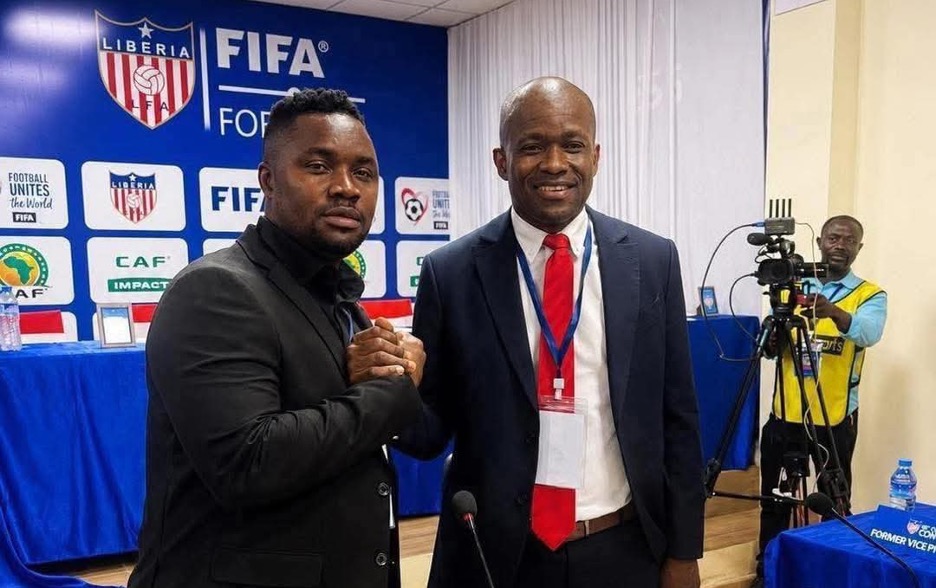
The recent presidential election of the Liberia Football Association has sparked debate beyond the re-election of Mustapha I. Raji. Much of the conversation now centers on the disqualification of Cassell Anthony Kuoh, the owner of FC Fassell, whose ambition to lead Liberian football was halted by integrity requirements tied to FIFA regulations.
For many Liberians, the situation raises difficult questions about justice, redemption and the future of football leadership.
Under Liberia’s Constitution and democratic principles, a citizen who has served a punishment and regained civil standing may still participate in national life, including seeking public office. To many Liberians, that reflects the belief in rehabilitation and second chances.
Football, however, operates under a different framework.
FIFA’s integrity system is built not only around legality, but also institutional reputation, ethical compliance and global governance standards. In modern football administration, perception often matters as much as performance. FIFA regulations are intended to protect the credibility of football institutions from corruption, scandal, financial misconduct and reputational risk.
As a result, past convictions — particularly those involving financial or ethical misconduct — can become long-term barriers to holding senior office in football governance.
That is where the complexity of Kuoh’s situation lies.
Whatever opinions exist about his past, many acknowledge his commitment to football. His investment in FC Fassell helped transform the club into one of Liberia’s most competitive football institutions. He has committed resources, visibility and ambition to the local game at a time when investment in football has often been limited.
His declaration that football is “like a virus” to him may have sounded dramatic, but it also reflected his deep passion for the sport.
Football history, however, shows that influence is not always tied to elected office. Some of the game’s most influential contributors never became federation presidents. Instead, they built academies, financed youth development programs, improved infrastructure, mentored players and supported competitions from outside official leadership structures.
That could become Kuoh’s most realistic path forward.
Rather than allowing disappointment to define his future, Kuoh could focus on building FC Fassell into a sustainable football institution that outlives personalities and elections. He could also expand investments in youth football, women’s football, county outreach and sports infrastructure while remaining an influential voice outside the executive leadership of the LFA.
The episode also highlights a broader issue within Liberian football.
The LFA must do more to educate stakeholders, club owners and aspiring administrators about FIFA governance standards and integrity regulations. Many football actors in Liberia continue to view football leadership primarily through a local political lens without fully understanding the international compliance requirements attached to modern football governance.
Future football executives and investors with ambitions to lead the LFA should therefore pay close attention to FIFA’s ethical requirements early in their careers. Reputation, transparency, financial conduct and personal history now carry significant weight in international football administration.
Sports journalists also have a responsibility in that process.
The Liberian sporting press must strengthen its understanding of FIFA statutes and LFA regulations to better inform the public. Too often, football debates in Liberia become emotional or political without a proper understanding of the rules governing the game internationally. A more informed sports media can help supporters distinguish between what national law permits and what FIFA regulations restrict.
The issue also reflects a broader challenge for Liberia itself.
The country continues to wrestle with the balance between forgiveness and international compliance. FIFA is unlikely to compromise its integrity standards as global football governance increasingly emphasizes ethical scrutiny. At the same time, many Liberians continue to debate whether a person’s past should permanently outweigh present contributions.
For now, the reality appears clear: Kuoh may never become president of the LFA under current FIFA regulations. But that does not necessarily mean his influence on Liberian football has ended.
History often remembers not only those who held office, but also those who forced the game to confront difficult questions about redemption, power and the meaning of a second chance.





Discussion about this post