


Published: October 28, 2026
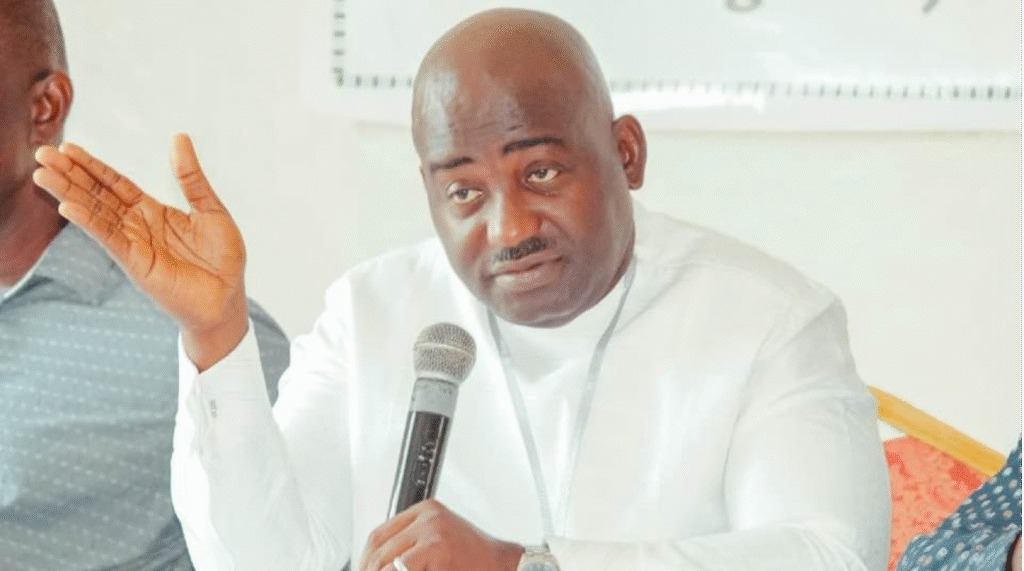
MONROVIA — Opposition lawmaker Musa Hassan Bility, one of President Joseph Nyuma Boakai’s most vocal critics, said Monday that importers’ longstanding complaints about missing products and petroleum losses at the Liberia Petroleum Refining Company have largely disappeared under the current administration, and urged the government to fund a strategic national fuel reserve.
By Blamo N. Toe
“Today, I am going to do one of those things: congratulate the government and praise it for doing the right thing,” said Bility, the political leader of the Citizens Movement for Change and representative of Nimba County’s 7th District.
He spoke at LPRC headquarters on Bushrod Island at the dedication of a petroleum product testing laboratory and a 12,800-metric-ton storage tank for premium motor spirit. Boakai also broke ground for the expansion and modernization of LPRC’s storage terminal.
“In the past, there were frequent complaints from petroleum importers about operational challenges, including concerns over the handling and movement of their products,” Bility said. “As far as I am concerned, many of those complaints have now disappeared. If the situation were otherwise, I would have been among the first to criticize the company.”
He said that as an opposition politician he hears complaints about government institutions easily, but had not heard the kind that previously surrounded fuel losses or missing products.
“That is a positive development, and I want to commend the management for it. This is how public institutions are supposed to operate,” he said.
Bility credited the improvement partly to the experience of LPRC’s managing director, deputy managing director and board chairman, and said the testing laboratory has improved fuel quality by putting importers on notice that products entering Liberia will be tested.
He said opposition politicians must have the courage to criticize government failures and to acknowledge its successes.
Bility then called on the Legislature and the Ministry of Finance and Development Planning to set aside money in the national budget to buy and hold fuel as a strategic reserve once the storage expansion is complete.
“For me, this facility is not simply about serving the petroleum market. It is about providing petroleum security for Liberia,” he said. “We experience high fuel prices partly because we do not have sufficient reserves to protect the country against supply challenges and market fluctuations.”
Referring to a proposed 50,000-metric-ton storage facility, he said that even that volume may not meet Liberia’s own needs, and that the government should secure domestic supply before seeking to offer storage and distribution services beyond Liberia.
He proposed that the government buy fuel when international prices are low and sell it to importers when prices rise, reinvesting the proceeds to replenish the reserve.
“I should not be the one telling you how to make more money, but this is one way the government could generate additional revenue while strengthening national petroleum security,” Bility said.
He told Boakai he would work with House Speaker Richard Nagbe Koon and other lawmakers to push for a special budget allocation for the reserve.




Discussion about this post