


Published: May 4, 2026
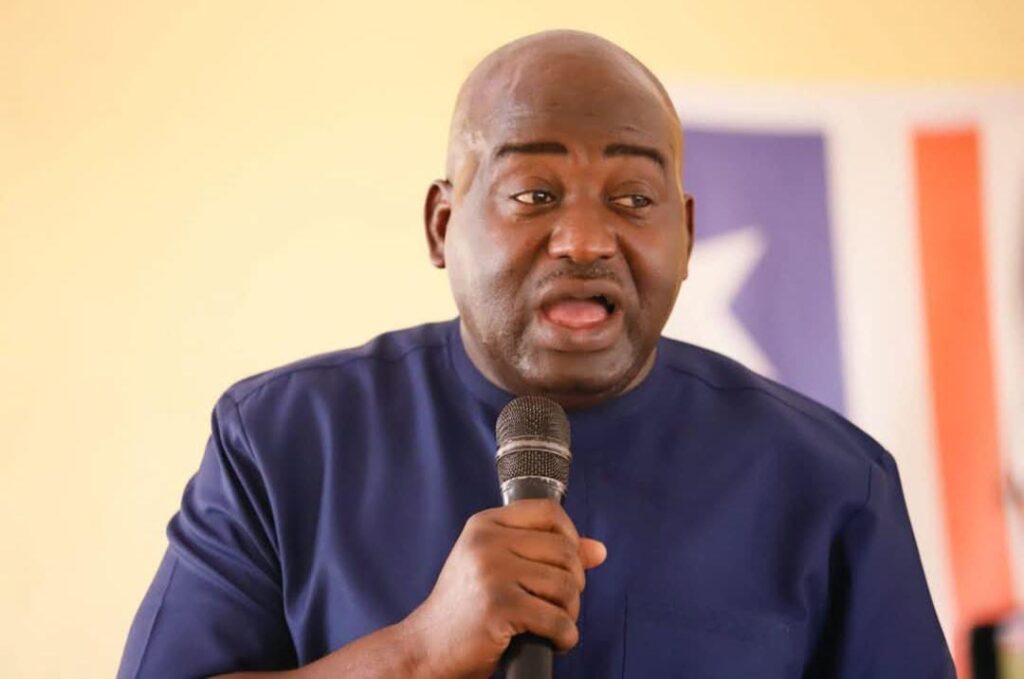
MONROVIA, Liberia — The political leader of Citizens Movement for Change (CMC), Musa Hassan Bility is calling for a fundamental shift in how Liberia approaches military recruitment, warning that expanding the size of the Armed Forces of Liberia without first strengthening its institutional foundation could undermine national stability.
In a strongly worded letter titled “Letter from Saclepea,” written from the United States, the CMC leader argues that current discussions around increasing enlistment reflect a deeper misunderstanding of what it takes to build a modern, effective military. “This is not just a policy conversation,” Bility wrote. “It is a fundamental misunderstanding of what it means to build a military.”
A Question of Structure, Not Numbers
Bility is the Representative of Electoral District #7 in Nimba County and his intervention comes amid ongoing national conversations about recruitment into Liberia’s armed forces, with policymakers exploring ways to engage thousands of unemployed youth.
However, he insists that Liberia’s challenge is not a shortage of manpower but the absence of the systems needed to properly train, equip and sustain a professional force. According to Bility, Liberia has a substantial pool of young people ready to serve, including more than 250,000 high school graduates seeking direction and opportunity. Yet, he questions the wisdom of recruiting them into what he describes as an underdeveloped system. “What exactly are we recruiting them into?” he asked.
He pointed to the lack of a functional military academy, limited access to technical training institutions and poor living conditions in military barracks as critical gaps that must be addressed before any expansion effort. “You cannot build an army without first building the institution that sustains it,” he emphasized, warning that increasing troop numbers without improving infrastructure and training would amount to “instability” rather than progress.
Welfare, Training and Dignity
Central to Bility’s argument is the need to prioritize the welfare and professional development of soldiers already serving in the Armed Forces of Liberia. He described existing conditions in some barracks as “inadequate” and “dehumanizing,” calling for urgent reforms to restore dignity and morale within the ranks. He urged the government to invest in modern training programs and upgrade facilities to meet international standards, arguing that a disciplined and effective military must be built on a foundation of professionalism and respect for service members. “Before we recruit new personnel, we must first address the conditions of the existing force,” Bility wrote.
Security analysts have long noted that post-war Liberia has struggled to maintain a fully equipped and operational military, despite efforts supported by international partners following the end of the country’s civil conflict in 2003.
Expanding the Military’s Role
Beyond institutional reform, Bility proposed a broader reimagining of the military’s role in national development. He argued that a well-trained army should serve not only as a defense force but also as a driver of infrastructure and economic growth. “A well trained and properly equipped military can build roads where there are none,” he noted. “It can construct bridges that connect isolated communities, support disaster relief, and provide engineering services that directly impact development.”
Such a model, he said, is common in stronger nations where military units contribute to public works, agriculture and logistics, especially during peacetime. In Liberia, however, Bility warned that the military risks becoming “a burden rather than a driver of national progress” if it remains underutilized and underdeveloped.
Redirecting National Priorities
The Citizens Movement for Change leader also called for difficult fiscal decisions, including cutting what he described as “unnecessary expenditures” and redirecting resources toward building a capable and disciplined military institution. “We must invest heavily in our military, not just in numbers, but in purpose,” he stated, emphasizing the importance of developing technical expertise within the force, including engineers, builders and logisticians.
His comments come at a time when Liberia faces competing demands for limited public resources, including investments in education, healthcare and infrastructure.
Risks of Recruitment Without Reform
Bility expressed particular concern about the social implications of recruiting large numbers of unemployed and frustrated youth into an unstructured military system. He warned that without proper training, education and leadership, such recruitment could transfer societal frustrations into the armed forces. “Many of the young people we now seek to recruit are those who have been neglected by society,” he wrote, adding, “If we bring them into an unstructured system, we risk transferring that frustration into the very institution meant to protect the nation.”
He stressed that a professional military must be built on discipline and purpose rather than desperation, cautioning against policies that prioritize short-term solutions over long-term stability.






Discussion about this post