


Published: July 14, 2026
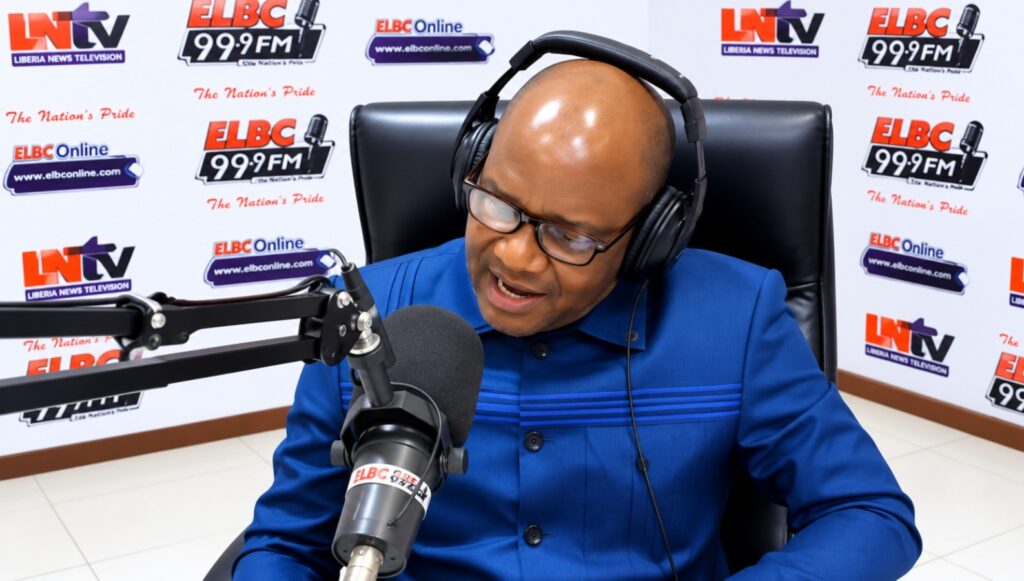
MONROVIA – Bong County University President Dr. Alferdson Talkerweyeh has proposed that the Liberian Legislature classify student protests that unnecessarily disrupt academic activities as a state crime, arguing that prolonged strikes undermine higher education and deprive students of the opportunity to complete their studies on time.
Speaking Monday, July 13, on ELBC, Talkerweyeh said that while Liberia’s Constitution guarantees the right to peaceful assembly, demonstrations that unjustifiably halt teaching and learning should be investigated and those responsible held accountable.
“I am preparing a petition to be forwarded through the Bong County Legislative Caucus to the Legislature,” he said. “People have the right to protest, but when protests disrupt academic activities, they should be investigated. If those behind them are found to be acting without legitimate cause, there should be consequences.”
The university president said findings from research he conducted after returning to Liberia suggest that not all campus protests are driven by legitimate student grievances. Instead, he claimed, some are orchestrated by individuals seeking to delay academic processes for personal reasons. According to Talkerweyeh, students who fail to meet graduation requirements sometimes attempt to disrupt graduation ceremonies or academic calendars, ultimately affecting classmates who have fulfilled all academic obligations.
He warned that repeated interruptions to university operations could have long-term consequences for students, particularly older learners who risk completing their education after reaching the mandatory retirement age.
“There are people in the corridor of university study at the age of 35, 40, even 55. If you carry on unnecessary strike actions that stop them for one, two or three years, they will graduate when they are already retired,” he said. “The purpose of running academic programs is to prepare people to provide services to the state. If they retire before they graduate, we will not be achieving that objective.”
Addressing broader challenges facing Bong County University, Talkerweyeh identified inadequate government funding as one of the institution’s greatest obstacles. He said BCU continues to operate under the budget framework inherited from the former Bong County Technical College, receiving an annual allocation of approximately US$1.5 million, which he described as inadequate for a fully established university.
“That is what we are working with, but it cannot adequately address the challenges we face as a university,” he said, adding that the institution plans to conduct a comprehensive assessment to determine the level of funding needed to meet its expanded mandate.
Despite the financial constraints, Talkerweyeh said the university has maintained academic activities through dialogue and engagement with students. He urged students to remain focused on their education, emphasizing that higher education is essential to personal growth and national development.
“We want our students to complete their education and become productive citizens who can contribute meaningfully to Liberia’s development,” he said.




Discussion about this post