


Published: June 8, 2026
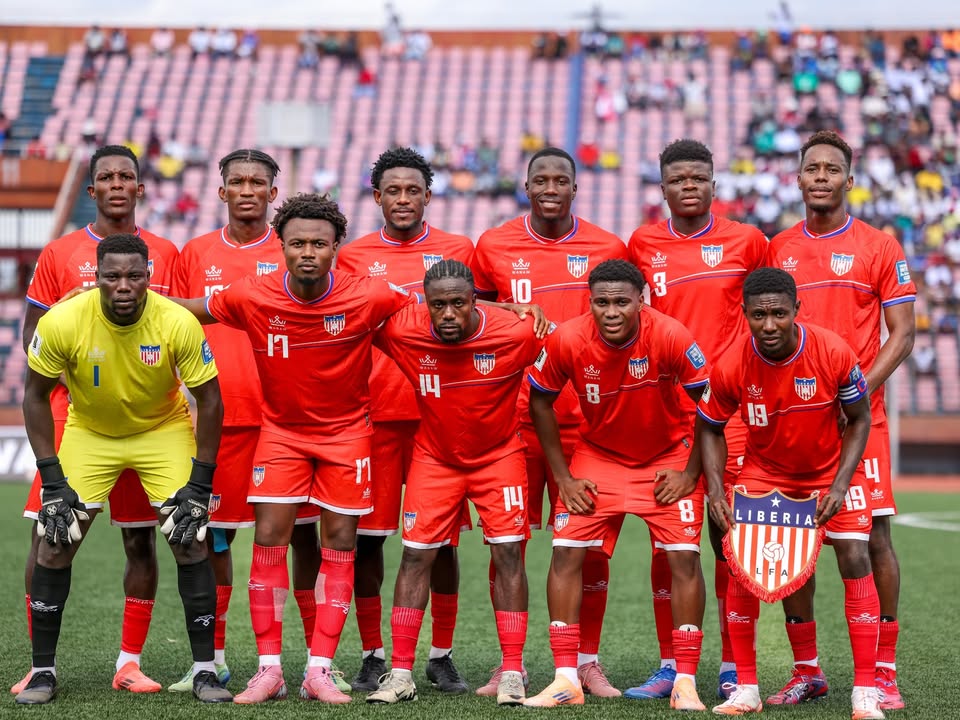
MONROVIA — A proposal by the Lone Star National Team Mobilization Committee to raise between US$5 million and US$10 million for Liberia’s 2027 Africa Cup of Nations qualifying campaign has ignited debate among football stakeholders, exposing differing views on what it will take for the country to return to Africa’s biggest football stage.
Appearing before the House of Representatives on Thursday, Mobilization Committee Chairman Luther Tarpeh argued that substantial financial support is needed to address persistent challenges affecting the national team, including logistics, player welfare, accommodation and technical preparation.
Tarpeh disclosed that Liberia still owes hotel bills in four countries from previous CAF and FIFA assignments and said the national team has often been forced to rely on budget accommodations during away matches.
According to him, increased investment would improve preparation, strengthen competitiveness and enhance Liberia’s chances of qualifying for the 2027 AFCON tournament.
The proposal, however, has drawn skepticism from some football observers who argue that money alone cannot secure qualification.
Former Sports Writers Association of Liberia (SWAL) President Kolubah B.K. Zayzay described the proposed funding target as ambitious but warned against creating the impression that raising US$10 million would automatically guarantee a place at AFCON.
“Qualifying for major tournaments is not just about raising money,” Zayzay said. “There are structural, technical and administrative factors that must also be in place.”
He pointed to Italy’s failure to qualify for two consecutive FIFA World Cups despite its vast financial resources as evidence that money alone does not determine success on the field.
Zayzay also questioned what he described as the growing politicization of the national team and the mobilization effort. He asked whether football technocrats were consulted before the US$10 million figure was presented and called for greater transparency regarding how any funds raised would be spent.
“What are the programs and strategies attached to this proposed budget?” he asked. “Liberians deserve to know how the money would be utilized and how it would contribute to qualification.”
The veteran sports journalist further expressed concern about the increasing presence of political actors within national team activities, including recent delegations accompanying the Lone Star to neighboring Sierra Leone for a friendly match.
He argued that countries such as Cape Verde, which have emerged as competitive forces in African football, achieved their progress through years of strategic planning, investment in development structures and sustained technical programs rather than short-term financial campaigns.
While Zayzay’s concerns have resonated with some football followers, others contend that financial constraints remain one of the biggest obstacles to the national team’s progress.
Supporters of the funding initiative argue that football development cannot occur without adequate resources. For years, Liberia has struggled to meet basic operational costs, including player allowances, travel expenses, accommodation and coaching salaries.
On several occasions, the football association have relied on credit arrangements, personal relationships and goodwill from service providers to fulfill national team obligations. Former coaches and technical staff have also publicly raised concerns about delayed payments and contractual obligations.
These challenges, proponents argue, directly affect team morale, preparation and performance.
Money may not score goals, but it provides the foundation for professional preparation. Reliable funding allows teams to secure quality training camps, organize friendly matches, ensure proper player welfare and attract qualified technical personnel.
Many nations have qualified for AFCON without possessing large numbers of elite players in Europe’s top leagues. In many cases, organization, planning and efficient use of resources have proven just as important as individual talent.
The debate, therefore, may not be whether money matters, but whether Liberia can develop a transparent and sustainable strategy for using available resources effectively.
Liberia has not appeared at the AFCON finals since 2002, and the desire to end that drought is shared by football officials, supporters and policymakers alike.
As discussions continue, the challenge facing Liberian football appears twofold: securing the financial resources necessary to support the national team while simultaneously implementing the long-term technical and administrative reforms required for sustained success.
For many observers, the central question is no longer whether Liberia needs more money. It is whether the country can combine funding, planning and accountability into a football strategy capable of delivering qualification and long-term growth.





Discussion about this post