


Published: October 27, 2026
MONROVIA — Lawmakers will not take up the bill to create Liberia’s war crimes court until January 2027, and the proposed US$1.2 billion national budget sets aside no money for the court. That is according to Cllr. Jallah A. Barbu, who heads the office preparing for it.
By Blamo N. Toe
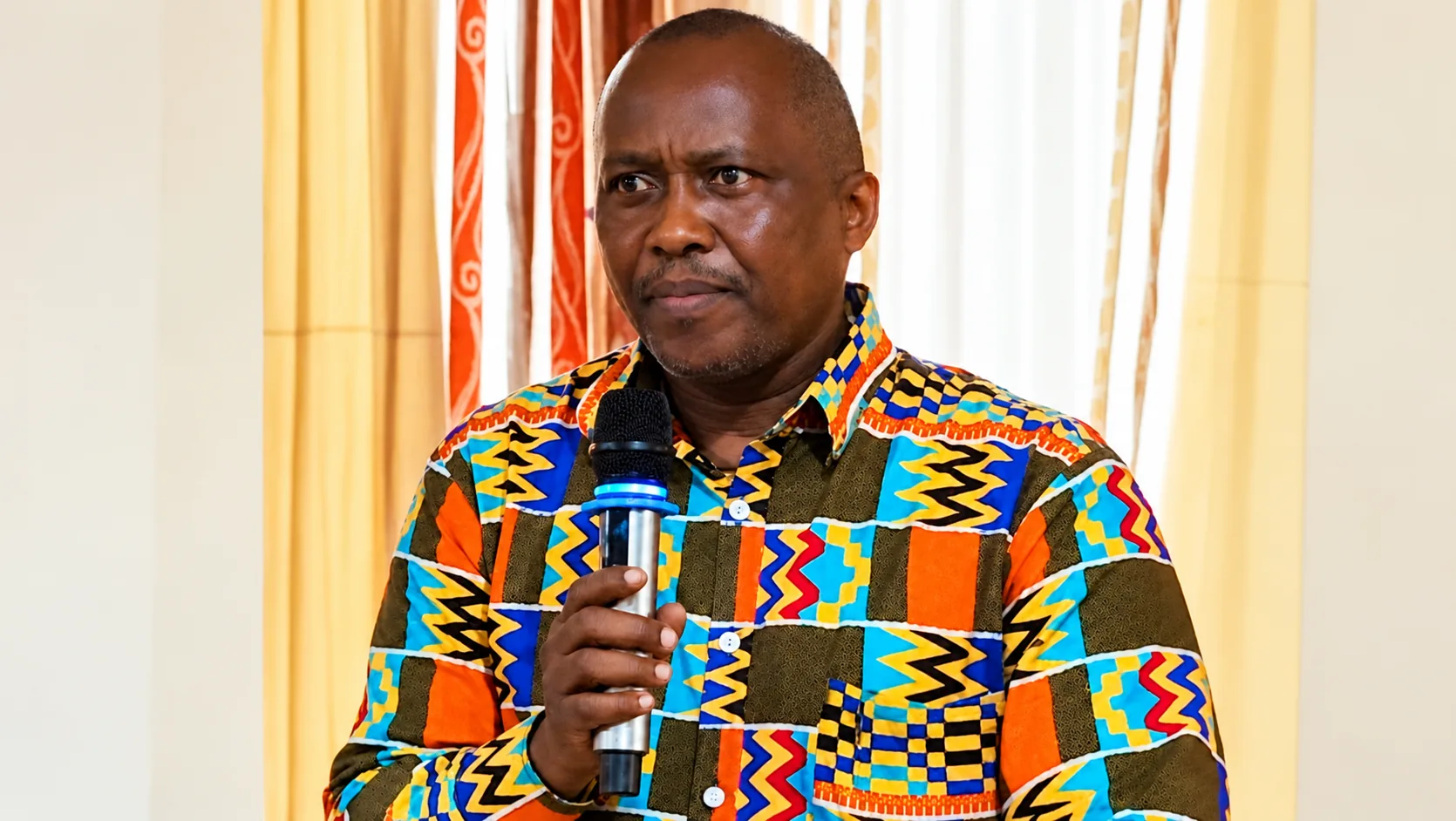
Cllr. Barbu, executive director of the Office for the Establishment of the War and Economic Crimes Court for Liberia, said Monday that his office learned through the Office of the Speaker of the House of Representatives that lawmakers were prioritizing other national matters. He said the delay could undermine efforts to set up a court intended to try serious crimes committed during Liberia’s civil wars.
He spoke at the dedication of a public awareness billboard for the court in West Point, central Monrovia.
Cllr. Barbu challenged lawmakers to say whether they had consulted their constituents about the court during their legislative break. He said the court requires public engagement and legislative action because of what it means for victims, survivors and the country’s accountability process.
He also said the budget’s lack of a specific allocation leaves open the question of how the government intends to pay for the court. A court would need money for investigations, prosecutions, judicial administration, and protection of witnesses and victims.
Barbu’s office has its own funding. In May 2026, President Joseph Nyuma Boakai renewed the office’s mandate through Executive Order No. 164, which provides an annual appropriation of US$2 million through the Ministry of Justice. The order directs the office to develop implementation frameworks and to engage the Legislature and potential funding partners. That money covers preparations, not the court itself.
President Boakai submitted the bill to create the War and Economic Crimes Court to the Legislature in May 2026, along with a separate bill for a National Anti-Corruption Court. Neither court can be established until lawmakers pass the legislation.
The Truth and Reconciliation Commission, set up to investigate abuses during Liberia’s 14 years of civil conflict, called for accountability for those responsible for serious violations. Victims and survivors have made the court a central demand.
In August, Cllr. Barbu’s office responded to journalists’ concerns about the pace of legislative action, saying lawmakers must consider the bills while the office continues preparing.




Discussion about this post