


Published: November 4, 2026
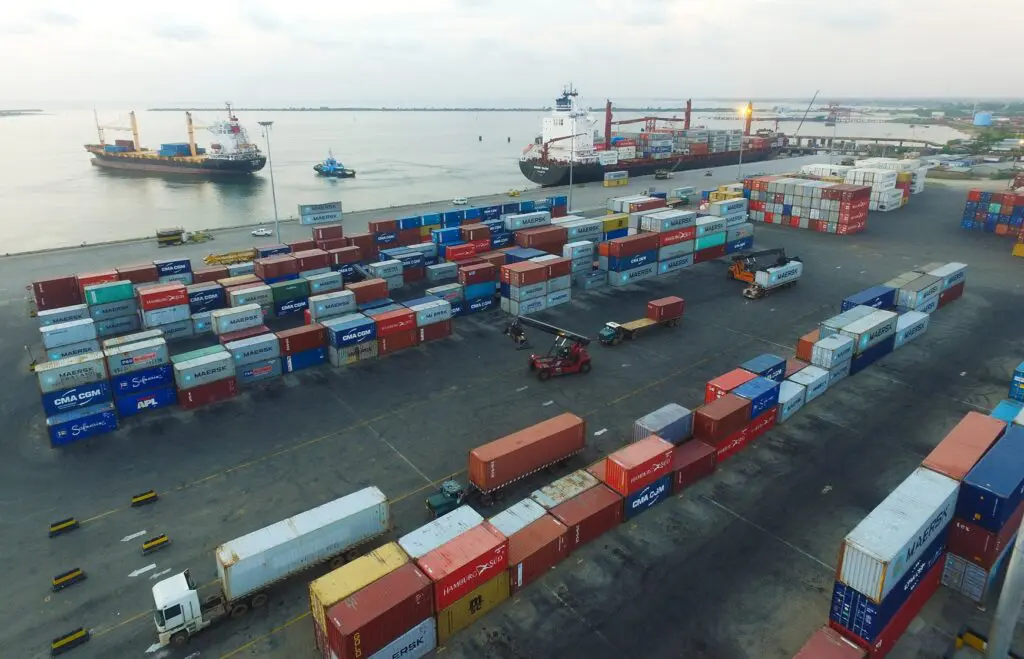
MONROVIA — Concerned Liberian Business Owners have called for urgent presidential intervention to address prolonged congestion at the Freeport of Monrovia, warning that continued delays in cargo clearance and delivery could force local businesses to shut down, as the National Port Authority (NPA) announces plans to deepen the port’s waterways to accommodate larger commercial vessels.
By: Matthias F. Larbeindee, [email protected], Contributing Writer
In a letter to President Joseph Nyuma Boakai, the business owners described the situation as critical, saying thousands of containers carrying imported goods purchased as far back as May and June 2026 remain stranded in neighboring countries because of congestion at Liberia’s principal commercial seaport.
They warned that the delays are putting significant financial pressure on Liberian-owned businesses, particularly those operating on borrowed capital and struggling to meet obligations to local and international financial institutions.
The appeal comes as the NPA outlines plans to deepen the navigational channels and waterways of the Freeport of Monrovia, an initiative the Authority says will improve maritime accessibility, accommodate larger vessels, and strengthen Liberia’s competitiveness in regional and international shipping.
However, while the proposed dredging project signals a long-term effort to modernize the country’s port infrastructure, business owners are calling for immediate measures to ease current congestion and help deliver their stranded goods.
NPA Proposes Waterway Deepening to Improve Port Efficiency
The Managing Director of the National Port Authority, Hon. Sekou A. M. Dukuly, disclosed the proposed waterway deepening initiative when he appeared before the Liberian Senate on Thursday.
According to the NPA, the project is intended to address water-depth limitations that may restrict access for larger, deeper-draft commercial vessels.
The Authority said the proposed initiative could enable the Freeport of Monrovia to handle higher cargo volumes, improve vessel turnaround times, and enhance cargo-operation efficiency.
The NPA also indicated that the project forms part of its broader strategy to modernize Liberia’s port infrastructure, attract international maritime investment, and position the country as a competitive shipping and logistics hub in West Africa.
Successful implementation, the Authority said, would require hydrographic surveys, engineering assessments, environmental safeguards, financial planning, and coordination with relevant government institutions and maritime stakeholders.
The NPA has presented the initiative as a strategic investment in Liberia’s long-term trade and economic development.
Business Owners Demand Immediate Solutions
Despite the proposed infrastructure improvements, the concerned business owners say the current situation requires urgent intervention rather than reliance on long-term development plans alone.
In their appeal to President Boakai, they reported that goods shipped from China, which previously arrived in Liberia within approximately 35 to 40 days, are now subject to delays of between five and six months.
They further expressed concern over reports that some shipping lines in China are becoming reluctant to accept cargo destined for Liberia because containers reportedly take too long to return, disrupting shipping operations.
The business owners warned that if the situation persists, Liberia could face additional difficulties attracting shipping services, while importers could face higher costs and greater uncertainty in their supply chains.
They called on the President to order an urgent assessment of the congestion, direct relevant authorities to develop a plan for evacuating stranded containers and cargo, and consider establishing additional storage facilities outside the main port.
They also urged the government to review existing port operations and cargo-handling arrangements and engage international shipping companies to restore confidence in Liberia’s importation system.
The business owners specifically appealed for measures to facilitate the delivery of most of their stranded goods before November 15, 2026.
Infrastructure Development Versus Immediate Business Challenges
The concerns raised by the business community highlight a critical question about Liberia’s port development strategy: how can long-term infrastructure improvements be complemented by immediate operational measures to ease congestion?
Although deepening the Freeport’s waterways could improve access for larger vessels and potentially increase cargo-handling capacity, the proposed dredging project does not, by itself, establish how quickly stranded containers will be cleared or delivered to importers.
The immediate concerns raised by the business owners also point to the importance of cargo management, storage capacity, container evacuation, and efficient coordination among port authorities, shipping lines, and other stakeholders.
The NPA has emphasized that the proposed waterway deepening could improve vessel turnaround times and strengthen the port’s operational efficiency. However, the business owners are seeking urgent clarification and action on the delays they say are already disrupting their operations.
Addressing both infrastructure limitations and day-to-day operational challenges could therefore be important to restoring confidence in Liberia’s principal seaport.
Economic Implications for Liberia
The Freeport of Monrovia serves as a major gateway for international trade, supporting importers, retailers, wholesalers, transport operators, and other businesses that depend on the movement of goods into the country.
Prolonged delays in cargo delivery can disrupt business operations, tie up working capital, increase operating expenses, and make it difficult for entrepreneurs to meet financial obligations.
The concerned business owners warned that continued congestion could force some Liberian-owned businesses to close, threaten employment, and affect government revenue.
They stressed that their appeal was not for special treatment but for an enabling business environment that allows Liberian entrepreneurs to operate efficiently, create jobs, contribute to national revenue, and compete fairly with businesses in neighboring countries.
Meanwhile, the NPA’s proposed dredging initiative reflects an effort to strengthen Liberia’s maritime infrastructure and prepare the port for future shipping demands.
The challenge for the authorities will be to ensure the long-term modernization agenda is matched by practical measures that address businesses’ immediate concerns.
Call for Coordinated Government Action
Business owners have urged President Boakai to treat the port congestion as an emergency, warning that further delays could worsen the difficulties facing the local business community.
Their appeal comes as the NPA advances plans to improve the Freeport’s long-term capacity and competitiveness.
While the two developments address different aspects of port performance, both underscore the importance of an efficient and reliable maritime system to Liberia’s economic growth.





Discussion about this post