


Published: October 30, 2026
CAPITOL HILL — Liberia has no confirmed or suspected case of Ebola, but health and immigration authorities have warned lawmakers that gaps in protective equipment, logistics, isolation capacity and border surveillance could complicate the country’s response if the virus enters Liberia.
By Gibson Gee
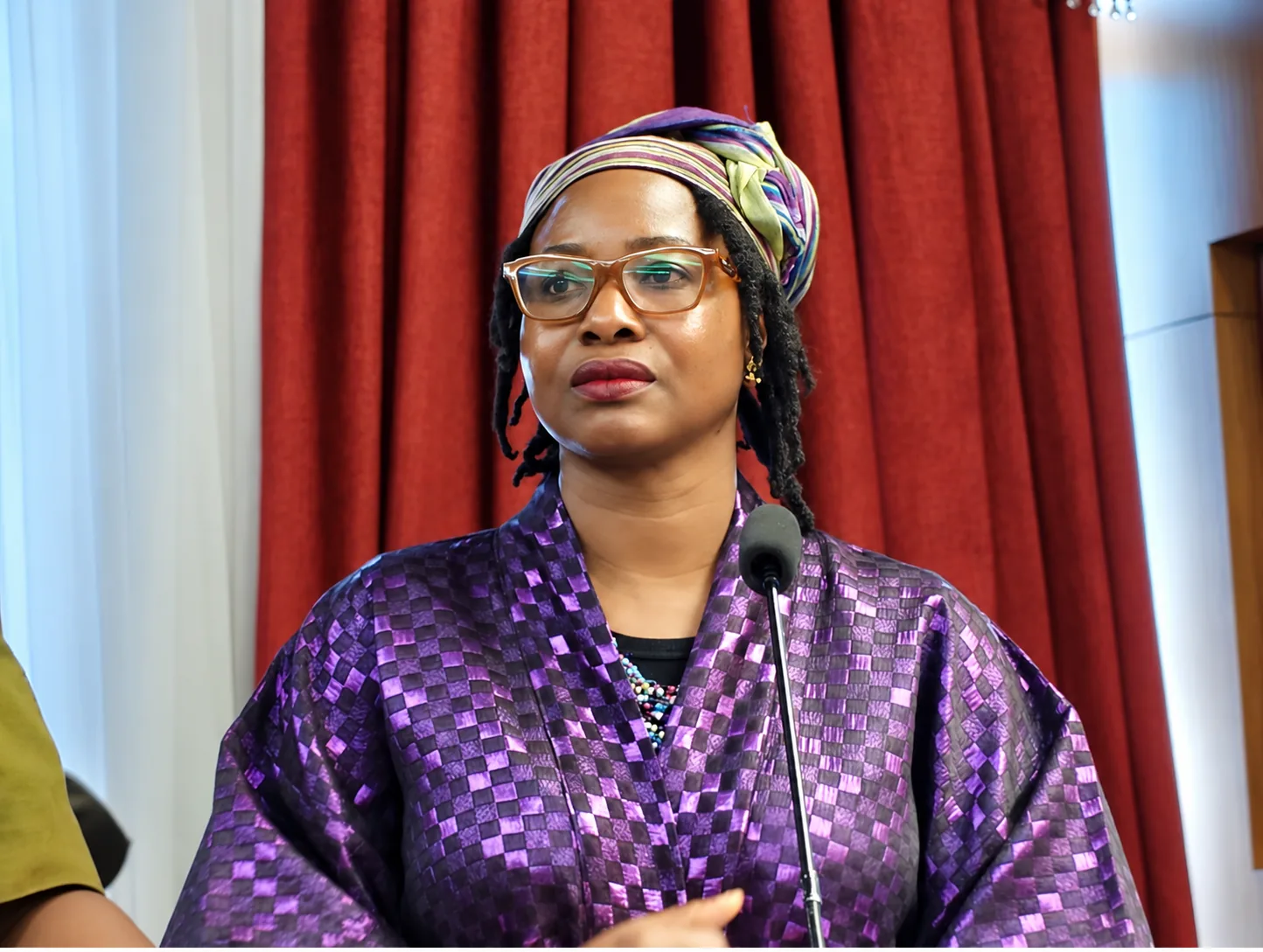
The warning came Thursday when the National Public Health Institute of Liberia (NPHIL), the Ministry of Health, and the Liberia Immigration Service (LIS) appeared before the House of Representatives to brief lawmakers on Liberia’s preparedness and response measures amid the ongoing Ebola threat in the region.
Dr. Sia Wata Camanor, Interim Director General of NPHIL, told lawmakers that Liberia has screened 1,723 travelers from affected areas since May 17, when the World Health Organization declared the outbreak.
Of that number, Camanor said 1,249 travelers, or 72.5 percent, have completed 21 days of monitoring without developing signs or symptoms of Ebola.
Another 474 travelers remain under close monitoring by surveillance teams across the counties.
“Currently in Liberia, I’m happy to inform you, honorable Speaker, co-presiding and the members of the House, that we have no suspected case of Ebola,” Camanor said. “We have no confirmed case of Ebola since May 17, 2026.”
But while Liberia has so far avoided an imported case, Camanor acknowledged that the country’s preparedness system continues to face resource constraints.
NPHIL initially requested US$4.2 million for Ebola preparedness activities. Camanor said the government provided approximately US$465,000, while the World Bank approved US$3.2 million following a proposal submitted by NPHIL.
The funding has supported preparedness assessments across all 15 counties, including visits to points of entry, seaports, land crossings, regional laboratories and the National Reference Laboratory.
Camanor, however, told lawmakers that supplies remain inadequate.
“I want to be honest with this body that there is not adequate. We need more supplies,” she said.
She specifically cited shortages of personal protective equipment and infection prevention and control materials, noting that such supplies are consumed daily at health facilities and points of entry and therefore require continuous replenishment.
The Liberia Immigration Service separately raised concerns about Liberia’s extensive border network.
Nelsco Aleo Wolo, Deputy Commissioner General for Administration of the Liberia Immigration Service, said Liberia has more than 100 border entry points, many of which are not covered by dedicated health personnel.
Wolo said immigration officers are often the only government personnel stationed at some of the smaller crossing points, making their cooperation with health authorities critical to early detection and response.
“We must not wait until a case is identified at our borders before determining whether our systems are ready,” Wolo told lawmakers.
He called for a joint national readiness assessment involving NPHIL, the Ministry of Health, Immigration and communities along the borders.
Wolo also urged authorities to train immigration officers to recognize possible Ebola symptoms and provide them with basic equipment, including thermometers, so they can support health authorities in identifying travelers who may require further assessment.
He emphasized that immigration officers are not health practitioners but are responsible for supporting health authorities in implementing established health protocols at the borders.
At Roberts International Airport, Wolo said travelers first encounter health personnel, who conduct health screening before passengers proceed to immigration.
NPHIL has also introduced a digital health declaration form designed to identify travelers arriving from affected areas, possible exposure histories and reported symptoms.
A digital thermal scanner has been installed at Roberts International Airport, while an ambulance designated for the airport remains on standby to transport a suspected case if necessary.
However, Camanor disclosed that an isolation unit remains under renovation.
She also appealed for additional fuel, internet connectivity, testing supplies and other logistics to ensure surveillance teams can communicate and respond quickly.
Laboratory preparedness has also been strengthened with support from the U.S. Centers for Disease Control and Prevention, which has provided reagents and other consumables.
Camanor said Liberia currently has the capacity to test more than 100 samples, but warned that laboratory resources are also being used to test for other diseases, including Lassa fever.
She further appealed for improved access to the National Reference Laboratory, saying transportation challenges could affect the speed at which samples are processed and confirmed.
NPHIL has also strengthened surveillance at major points of entry, particularly Roberts International Airport and land borders through which travelers from affected countries could enter Liberia.
The institute has distributed surveillance equipment and motorcycles to district surveillance officers to improve their ability to reach communities and respond to alerts, particularly in hard-to-reach areas.
The concerns prompted lawmakers to call for stronger surveillance and expanded isolation capacity, particularly in counties bordering neighboring countries.
Representative Julie Fatorma Wiah, chairperson of the House Committee on Health, said Liberia should consider establishing additional isolation centers in border communities rather than relying heavily on facilities in Monrovia.
She warned that transporting a suspected case over long distances could create additional risks for communities along the route.
“We should look towards building more isolation centers in various districts, especially the bordering ones,” Wiah said.
Wiah also stressed the need for heightened vigilance at Liberia’s borders, while acknowledging that the country does not intend to close its borders because of the outbreak.
At the same tkme Representative P. Mike Jury, called for immediate preventive measures across public institutions, beginning with the House of Representatives.
Jury urged the House to institute handwashing measures and said public institutions should strengthen basic infection prevention practices.
He also pointed to the resources required to sustain the country’s preparedness efforts, saying lawmakers should work with relevant government institutions to address the remaining funding needs.
The lawmakers’ concerns reflect a broader challenge for Liberia: maintaining a sustained public health response before a suspected case is detected.
Wolo warned that Liberia should not repeat a pattern in which resources are mobilized only after an outbreak has begun.
He urged the government to conduct a comprehensive national readiness assessment before Liberia is confronted with an imported case.
The officials also stressed that Liberia cannot simply close its borders or restrict legitimate movement because of the regional outbreak.
Instead, authorities said the focus must remain on early detection, rapid isolation, laboratory confirmation and swift response.
Camanor said surveillance teams remain on alert and that Liberia has trained personnel at points of entry, laboratory testing capacity, an airport ambulance and response mechanisms in place.
She urged Liberians to remain calm, practice proper hand hygiene and rely on official information from NPHIL and the Ministry of Health.


Discussion about this post