


Published: October 12, 2026
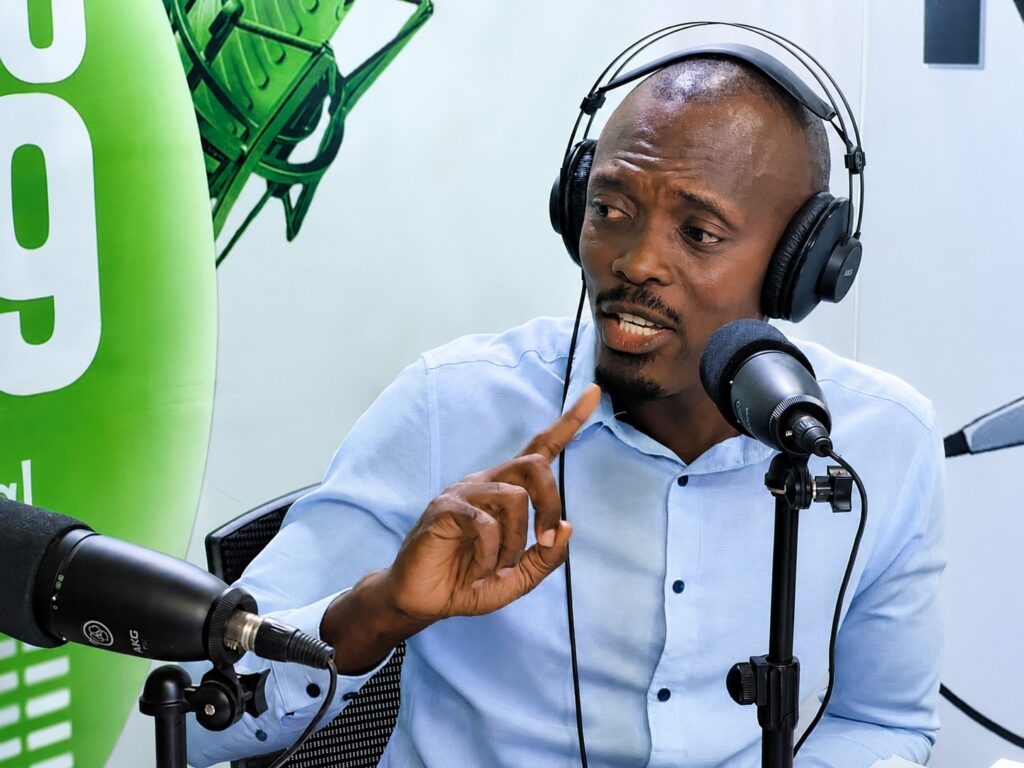
MONROVIA — The University of Liberia faces renewed calls for sweeping audits of finances, personnel, and academic credentials, as labor advocate and adjunct faculty member George Sahr Tengbeh urges authorities to scrutinize the institution’s financial management, verify employees’ qualifications, and determine whether faculty appointments and promotions meet established academic standards.
By Blamo N. Toe
Tengbeh is challenging the University of Liberia President Dr. Layli Maparyan, the General Auditing Commission (GAC), and the Internal Audit Agency (IAA) to subject the country’s premier public university to rigorous, independent scrutiny, arguing that institutional credibility and academic excellence must be supported by verifiable records, transparent financial practices, and credible academic qualifications.
In a statement addressed to Maparyan, GAC Auditor General Garswa P. Jackson and IAA Director General David A. Kemah, Tengbeh demanded a comprehensive external financial audit beginning in January 2027, alongside regular internal financial reviews and periodic verification of personnel and faculty credentials.
“We want to see a different version of institutional integrity at the University of Liberia in 2027,” Tengbeh declared.
His intervention raises questions about financial oversight, payroll accountability and academic promotion practices at the state-run institution, although he stopped short of accusing the current administration or individual faculty members of specific wrongdoing.
According to Tengbeh, the university’s last financial audit was reportedly conducted during the 2023-2024 period, while President Maparyan’s administration has yet to undergo a subsequent external financial audit.
He maintained that an independent examination is necessary to establish the institution’s financial position, identify weaknesses in administrative controls, and determine whether the institution manages public funds and internally generated revenues in accordance with established procedures.
Tengbeh called for semester-based internal financial audits supervised by the IAA, arguing that regular financial scrutiny would strengthen expenditure monitoring, improve accountability and help prevent potential irregularities.
He acknowledged Maparyan’s reported initiative to station IAA representatives at the university but insisted that their presence must produce measurable results through consistent auditing and implementation of recommendations.
Beyond financial accountability, Tengbeh is demanding a comprehensive review of the university’s personnel records, including employees’ academic qualifications, appointments, payroll documentation and other employment-related expenditures.
He proposed annual or biennial personnel and credentials audits to confirm whether employees have the qualifications required for their positions and whether appointments are supported by authentic documentation.
The labor advocate maintained that the exercise should be conducted independently, professionally and without political interference or discrimination.
However, his strongest concerns centered on the university’s academic standards, particularly the qualifications and research records of faculty members occupying senior academic positions.
Tengbeh challenged the administration to verify the credentials, scholarly publications and research competence of lecturers and professors, insisting that academic promotions must be earned through established institutional requirements rather than unsupported claims of qualification.
He questioned whether faculty members with master’s degrees should hold certain senior academic ranks without demonstrable research experience or peer-reviewed publications, where university policy requires such credentials.
According to him, the institution must ensure that promotions to assistant professor, associate professor and other academic ranks are supported by verifiable qualifications, credible research outputs and compliance with approved promotion standards.
Tengbeh also urged the university’s Board of Trustees to strengthen academic promotion policies, including requirements for terminal degrees, peer-reviewed publications, and, where applicable, research competence.
He argued that weak enforcement of academic standards could undermine the university’s credibility, research competitiveness and ability to attract international partnerships.
Turning his attention to the GAC, Tengbeh directly challenged Auditor General Jackson to prioritize an independent financial examination of the university.
He referenced Jackson’s previous service in financial administration and auditing at the institution, arguing that his familiarity with the university places him in a position to appreciate the importance of independent financial scrutiny.
“The GAC under your watch must respond to the University’s request for an audit and take the necessary steps to commission one under this new administration,” Tengbeh said.
He emphasized that the proposed audit should not be viewed as an indictment of Maparyan’s leadership but rather as an essential accountability mechanism for an institution entrusted with public resources and the education of thousands of Liberians.
Tengbeh maintained that the university cannot achieve meaningful institutional transformation without credible financial reporting, accurate personnel records and transparent academic promotion procedures.
He further argued that the proposed reforms would help restore public confidence, strengthen administrative discipline and position the institution to compete more effectively with universities across the region.
“As we enter 2027, our goal should be to build a University of Liberia that is financially accountable, administratively transparent, and academically competitive,” Tengbeh said.
The labor advocate insisted that institutional reform must go beyond administrative pronouncements to practical measures that identify weaknesses and enforce accountability.
He called on the university administration, GAC and IAA to coordinate their efforts while respecting institutional regulations, employees’ rights and established auditing procedures.
“The time is now. Let us make 2027 a year of accountability, credible academic standards, and meaningful institutional reform at the University of Liberia,” he added.
Tengbeh’s demands refocus attention on managing Liberia’s flagship public university, particularly the need for independent oversight of its finances and consistent enforcement of academic standards.






Discussion about this post