

Published: November 23, 2026
PORT LOUIS, Mauritius – AfricaNenda Foundation has launched the fifth edition of the State of Inclusive Instant Payment Systems (SIIPS) in Africa Report 2026, highlighting progress and emerging opportunities across the continent’s digital payments landscape. The launch brought together central bank governors, policymakers, and industry leaders to discuss strategies for leveraging instant payment systems to promote financial inclusion and economic development.
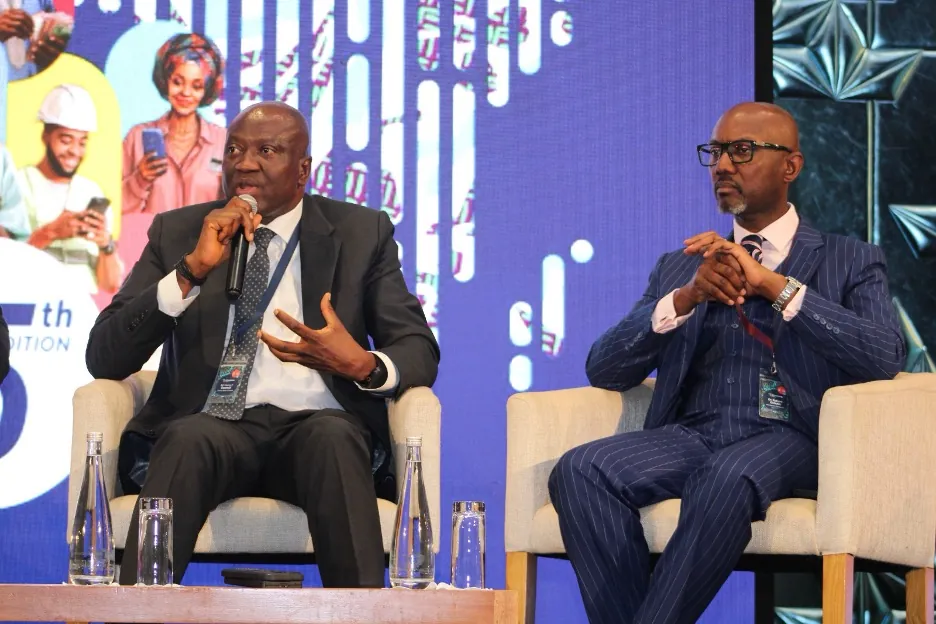
During a high-level panel discussion on the theme, “From National Rails to Continental Outcomes: Central Bank Leadership on Trust, Inclusion, Interoperability and the Policy Choices That Transform Payment Infrastructure into Shared Prosperity,” Henry F. Saamoi, Executive Governor of the Central Bank of Liberia (CBL), outlined four strategic priorities that will guide the next phase of Liberia’s digital payments transformation: expanding participation, achieving full interoperability, promoting merchant payments, and strengthening financial literacy.
The panel was moderated by Sabine F. Mensah, Deputy Chief Executive Officer of AfricaNenda Foundation, and featured Dr. Priscillia Muthoora Thakoor, Governor of the Bank of Mauritius; Dr. Phil Mnisi, Governor of the Central Bank of Eswatini; Oscar Santos, Governor of the Central Bank of Cabo Verde; and Dr. Robert Ochola, Chief Executive Officer of AfricaNenda Foundation.
Addressing questions on Liberia’s digital payments strategy, Governor Saamoi said the decision to prioritize government-to-person (G2P) payments on the Pay Na-Na platform was a deliberate policy choice to build public confidence in digital financial services, create transaction volume, and demonstrate the practical value of digital payments. He noted that government payments provide an effective entry point for digital adoption because governments are among the largest employers and payers in developing economies.
Governor Saamoi reaffirmed the Central Bank’s commitment to reducing reliance on physical cash by expanding the use of digital payment solutions across the economy. He emphasized that modern payment systems can improve efficiency, lower cash-management costs, and support broader financial inclusion for individuals and businesses.
Providing an update on Pay Na-Na, Liberia’s national instant payment platform launched in December 2025, Governor Saamoi reported continued growth in transaction activity and usage, reflecting increasing confidence in digital payments and broader participation across the financial sector.
As part of the next phase of implementation, the Governor identified four priority areas:
Expanding Participation: The Central Bank is working to onboard additional commercial banks and fintech companies to broaden access to the platform and deepen ecosystem participation.
Achieving Full Interoperability: The CBL seeks to enable seamless transactions across banks, mobile money operators, and other financial service providers, ensuring that customers can transfer funds regardless of their chosen institution or platform.
Promoting Merchant Payments: The Bank is encouraging greater use of digital payment solutions in everyday commercial transactions to support businesses, improve convenience, and stimulate economic activity.
Strengthening Financial Literacy: The CBL is collaborating with the Ministry of Education to integrate financial literacy into school curricula and to promote public awareness initiatives that expand understanding of, and adoption of, digital financial services.
Governor Saamoi underscored the importance of affordability in driving adoption, noting that digital payment services must remain accessible to consumers and businesses. He emphasized that increased transaction volumes, supported by competitive pricing and innovative financial products, will be critical to sustaining growth in the digital payments ecosystem.
Concluding the discussion, Governor Saamoi stressed that financial inclusion extends beyond technology and infrastructure.
“Financial inclusion is ultimately about people. It is about ensuring that farmers, market traders, students, civil servants, and small businesses can participate in economic activity safely, efficiently, and affordably. Our goal is to build a payments ecosystem that expands opportunity, promotes inclusion, and supports Liberia’s long-term economic development.”
The Central Bank of Liberia remains committed to working closely with financial institutions, fintech companies, government agencies, development partners, and consumers to create a modern, secure, and inclusive payments infrastructure that supports sustainable growth and shared prosperity.



Discussion about this post