

Published: November 23, 2026
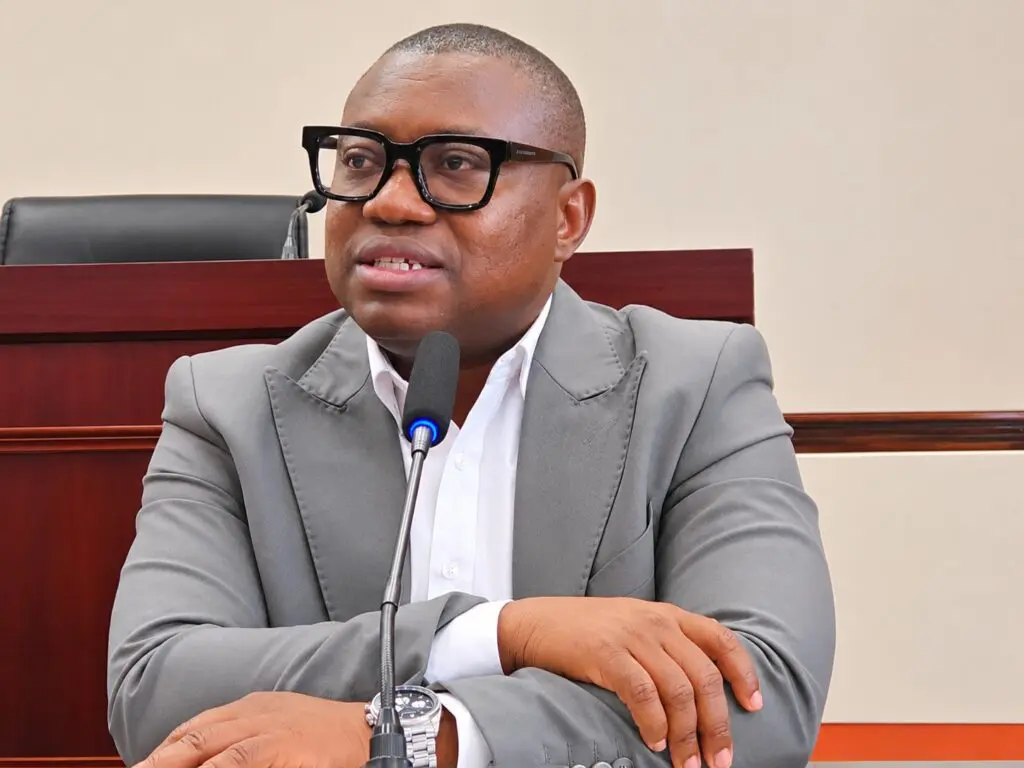
MONROVIA — Monrovia Mayor-designate James K. Mulbah has asked senators to raise the Monrovia City Corporation’s 2027 budget to US$14.5 million, about US$6 million more than the government has proposed. He said the extra money would build a disposal cell at the Cheesemanburg landfill and rehabilitate the city’s waste transfer stations.
Mulbah made the request at his confirmation hearing before the Senate Committee on Internal Affairs over the weekend. He also pledged to take personal responsibility for the capital’s garbage crisis.
“I have accepted and vowed to be a ‘dumpa hero,’ senator,” Mulbah said when a senator asked whether he was willing to take responsibility for Monrovia’s persistent garbage problem. The expression is a popular Liberian term linked to garbage collection.
The draft national budget for fiscal 2027 allocates the city corporation US$8.46 million, up from the US$4.86 million approved for 2026. The 2027 figure includes US$4 million for a Monrovia Smart Sanitation and City Beautification Program. Mulbah acknowledged the increase proposed by President Joseph Boakai’s government but said it was not enough to deal with the city’s sanitation problems. He said the additional money, together with donor assistance, would be critical to transforming the city’s waste management infrastructure.
Mulbah told senators that several communities in Greater Monrovia fall outside the city corporation’s jurisdiction, but that residents still blame the Monrovia mayor for garbage that piles up across the wider capital. He said he would negotiate a waste management agreement with commissioners and other local government officials to define each authority’s responsibilities and set up revenue-sharing arrangements, with consultations beginning as early as the following week.
He said a law might eventually be needed to settle the jurisdictional questions, but that administrative agreements could work sooner.
“Because the process of having a law, I think, Honourable Senator, it takes time. I want to succeed,” he said. “My interventions go beyond Central Monrovia. They go and help Greater Monrovia. That’s why in my presentation I talk about stakeholder coordination.”
Mulbah said he would also seek financial and technical help in the United States, Canada and Europe for sanitation and other urban projects, and that a related initiative could start as early as January. He did not give details of the partnerships or financing arrangements.
He said depending entirely on government budget support could undermine the sustainability of the city’s operations. “Monrovia does not lack revenue opportunities; it lacks the systems to collect them,” he said.
To raise more revenue, he proposed a Digital Monrovia Revenue Registry that would give properties and businesses municipal identification numbers for billing, monitoring and enforcement.
The proposals are part of a six-pillar agenda covering domestic resource mobilization, integrated solid waste management, urban beautification, drainage and climate resilience, stakeholder coordination and climate financing.
Under his sanitation plan, Monrovia would be divided into waste collection zones, with contractors assigned specific schedules and performance targets and paid on verified performance. A “Separate Your Waste” pilot would begin in Sinkor to promote recycling, composting and economic opportunities.
He also outlined plans for green corridors along Tubman Boulevard, Somalia Drive and other major routes, and an initiative to plant 200,000 indigenous and climate-resilient trees. On flooding, he proposed working with the Ministry of Public Works on a drainage maintenance program involving mapping, routine cleaning and better waste control.
If confirmed, Mulbah said that within his first 100 days he would assess waste management operations, identify sanitation hotspots, map municipal revenue sources, introduce pilot collection zones and strengthen enforcement of city ordinances. He also proposed a Monrovia Green and Sustainable City Investment Program to attract climate financing and international development partners.
He said his priorities align with the Boakai administration’s ARREST Agenda for Inclusive Development, particularly its emphasis on sanitation, infrastructure and accountable governance.
“If confirmed, I commit to lead with integrity, transparency and accountability; to report regularly to the people of Monrovia on what we have achieved and where we have fallen short,” he told senators.

Discussion about this post