

Published: November 20, 2026
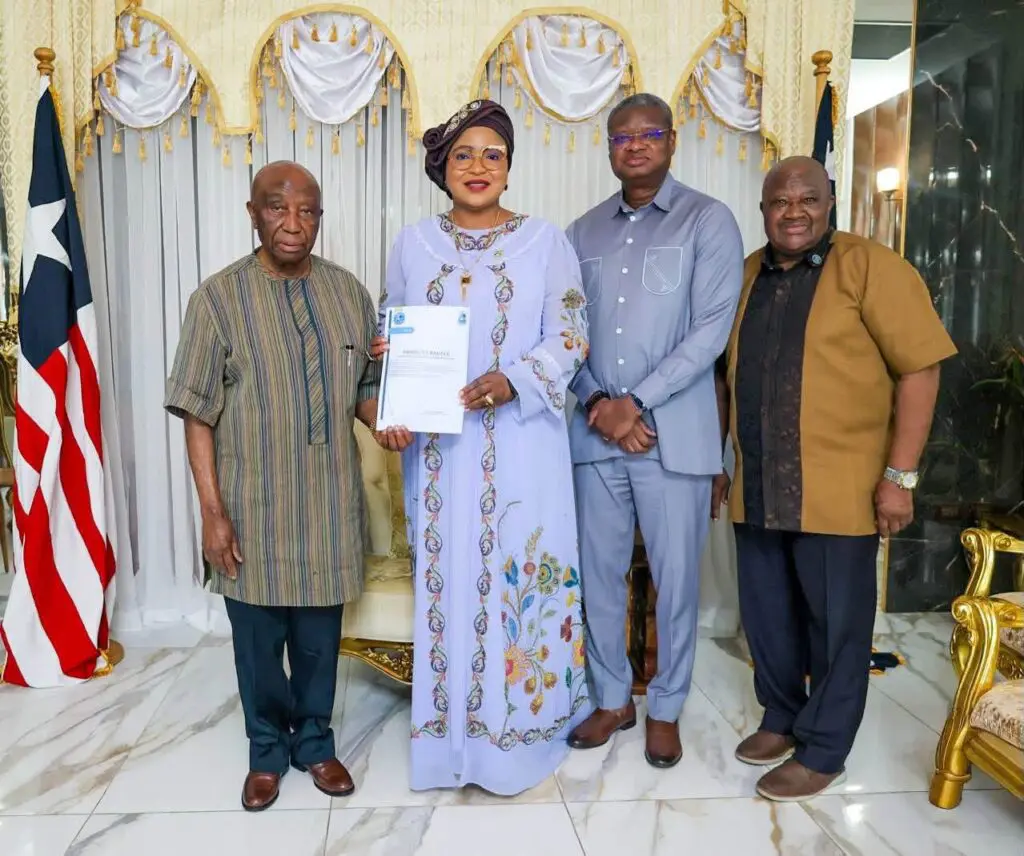
MONROVIA — Liberia has taken a major step forward in its journey from remembrance to reconciliation by adopting landmark resolutions that lay the foundation for the Liberia Peace, Reconciliation and Memorial Museum.
Adopted during the first meeting of the museum’s steering committee in Monrovia from Nov. 16 to 18, 2026, the resolutions turn a national vision into a concrete implementation roadmap and reaffirm Liberia’s determination to preserve its history, honor victims and survivors, and strengthen peace for future generations.
The meeting’s outcomes build on the vision President Joseph Nyuma Boakai set out when he launched the National Historical Recovery Initiative.
Boakai said the museum must place victims and survivors at the center of the national healing process and serve as a space where Liberia confronts its history honestly while building a more peaceful future. The resolutions adopted in Monrovia translate that vision into concrete actions and institutional commitments.
“This Museum must not simply tell the story of our past; it must help shape the future we seek. The experiences of victims and survivors must guide this process, ensuring that remembrance becomes a bridge to healing, reconciliation and lasting peace,” Boakai said.
Convened under the leadership of Minister of State without Portfolio Hadja Mamaka Bility, chairperson of the steering committee, and co-chaired by UNDP Resident Representative Aliou Mamadou Dia, the meeting brought together government institutions, civil society organizations, victims and survivors, women’s and youth groups, traditional and religious leaders, development partners and international experts committed to advancing one of Liberia’s most significant nation-building initiatives.
Following three days of deliberations, the steering committee endorsed the project charter as the foundational framework for implementation, formally confirmed the institution’s name as the Liberia Peace, Reconciliation and Memorial Museum, adopted a performance measurement baseline plan through December 2027, approved a comprehensive budget framework and endorsed a 90-day action plan to accelerate implementation. These resolutions establish the governance, accountability and operational mechanisms required to move the initiative from concept to reality.
A significant outcome was the formal establishment of five technical working groups responsible for the museum’s core pillars: historical narrative development; archives and memorialization; governance and legal frameworks; architecture and design; and education, reconciliation and public engagement.
Together, these groups will ensure that the museum reflects Liberia’s diverse histories and provides an inclusive platform for preserving memory and promoting dialogue.
Bility described the resolutions as a turning point in Liberia’s effort to preserve its historical legacy and advance reconciliation.
“What we have achieved here is more than the adoption of resolutions. We have laid the foundation for a national institution that will safeguard our history, honor the dignity of victims and survivors, and help future generations understand the cost of conflict and the value of peace,” she said.
The steering committee also endorsed a resource mobilization and financing strategy that calls for contributions from the government, the United Nations system, bilateral and multilateral partners, foundations, the private sector and the Liberian diaspora.
The collective financing framework reflects broad national and international support for the initiative and a shared recognition of its importance to Liberia’s long-term peacebuilding efforts.
Dia, the committee’s co-chair, said the resolutions demonstrate Liberia’s determination to turn memory into a force for national renewal.
“A memorial museum is not only about remembering the past. It is about ensuring that the lessons of history guide future generations. Through these resolutions, Liberia is creating a platform where truth, education, dialogue and reconciliation can come together to strengthen peace and national unity,” he said.
The meeting also endorsed an international technical cooperation framework involving Rwanda, South Africa, the University of South Africa and UNDP, enabling Liberia to benefit from global experience in memorialization, reconciliation and institutional development.
The committee directed its secretariat to conclude cooperation arrangements and establish mechanisms for knowledge exchange and technical support.
The resolutions adopted at the close of the meeting capture a shared conviction that the museum must be more than a physical structure. It must become a living institution that preserves collective memory, encourages reflection, promotes civic education and fosters dialogue across generations.
The resolutions also reaffirm that women, young people, persons with disabilities, traditional leaders and marginalized communities must have meaningful roles in shaping the museum’s development and future programs.
Ultimately, the resolutions represent more than administrative decisions. They declare national intent. They signal Liberia’s commitment to confronting its history with honesty, honoring those affected by conflict with dignity, and creating a lasting institution that transforms remembrance into reconciliation, learning into understanding, and memory into a foundation for enduring peace.
As Liberia begins the implementation phase of this historic initiative, the message from Monrovia is clear: the country is not merely preserving its past; it is investing in a future built on truth, healing, inclusion and hope.



Discussion about this post