


Published: October 26, 2026
MONROVIA – The Ministry of Gender, Children and Social Protection said 100 children taken from orphanages in Montserrado County that the government deemed unsafe are back with their families. Their return completes the pilot phase of a UNICEF-backed program to move Liberian children out of institutions and into family care.
The ministry said it reunited all 100 children with parents, relatives, or other caregivers under the Liberia Care Support Scheme. The program targets orphanages that fail to provide safe, appropriate care and places children with families after tracing relatives and assessing whether they can care for them.
Families were eligible for a one-time cash grant of US$200 for each returning child, paid after reunification was confirmed, to help cover the immediate costs of taking the children in. Across all 100 children, that totals US$20,000.
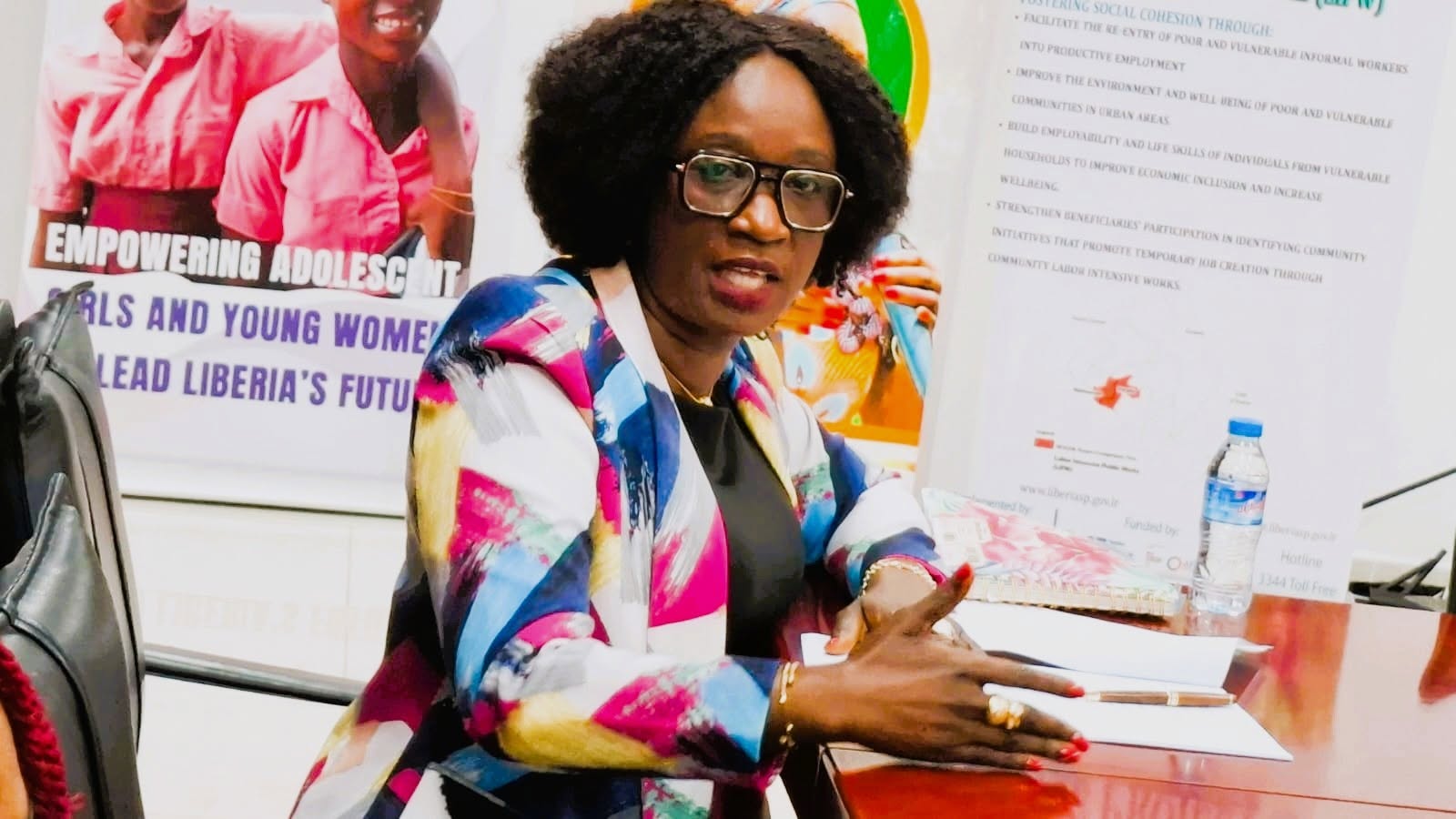
Gender Minister Gbeme Horace-Kollie credited the ministry’s social workers and staff for the result. She also said the work ahead remains enormous and will require sustained commitment, adequate resources, and continued collaboration to protect vulnerable children across Liberia, according to the ministry.
Before any child went home, ministry social workers and supervisors traced families, reviewed cases and assessed placements to confirm which parents and relatives could provide proper care. The families then received parental coaching and skills training to keep the children safe and support their development after their return.
The ministry ran the training in two rounds. The first trained 26 parents and caregivers and was followed by the reunification of 49 children. The second trained another 27, and the remaining 51 children then went home. In total, 53 parents and caregivers were trained.
Social workers have continued to visit the families after the children returned to check how they are adjusting, review their living conditions, and identify any further protection needs, according to the ministry.
Horace-Kollie said the ministry remains committed to family-based care as the preferred alternative to institutions whenever it serves the child’s best interests. She said continued monitoring and support will be needed to keep the reunited children in safe and stable homes.
She thanked UNICEF for its financial and technical support for the pilot. She called on other development partners, donors and humanitarian organizations to invest in family strengthening, social protection and child welfare programs.
The ministry announced the pilot’s completion on Oct. 19.




Discussion about this post