


Published: October 23, 2026
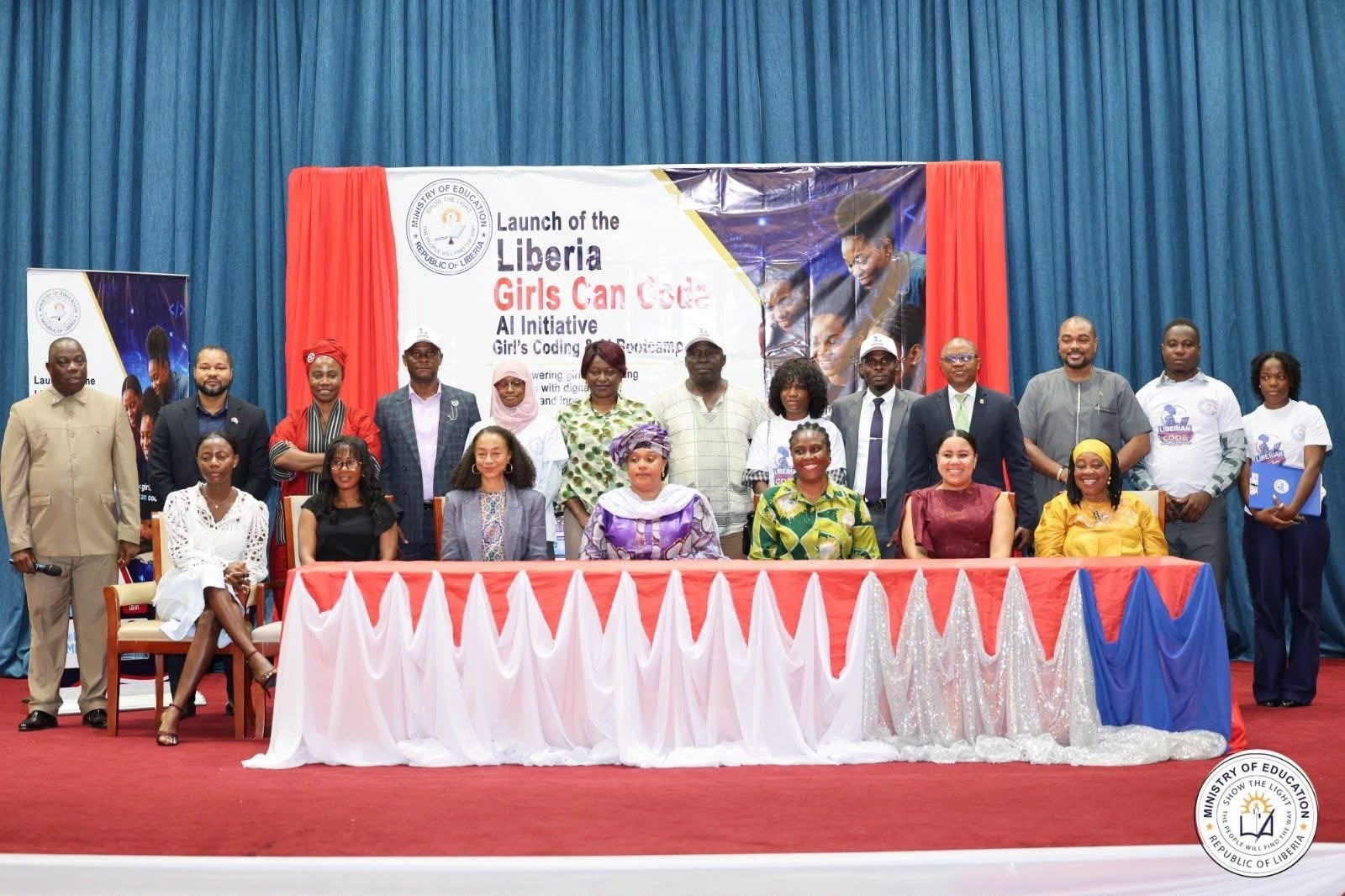
MONROVIA — The Ministry of Education has launched a nationwide digital skills initiative targeting 1,000 Liberian girls and young women, with training in computer coding, artificial intelligence (AI), and other emerging technologies to expand their educational, employment, and entrepreneurship opportunities.
The initiative, dubbed the Liberia Girls Can Code and Artificial Intelligence Initiative 2026, aims to close the digital skills gap and increase girls’ and young women’s participation in Liberia’s growing technology sector.
According to the Ministry of Education, the program will provide practical technical training, mentorship and problem-solving opportunities to help participants develop skills relevant to the evolving digital economy.
Launching the initiative, Education Minister Dr. Jarso Maley Jallah emphasized the importance of equipping girls with the knowledge and skills needed to participate in developing technologies that are increasingly shaping education, employment and national development.
The ministry said the first phase of the program will benefit 600 girls and young women from five counties: Bomi, Margibi, Grand Bassa, Lofa and Maryland.
Participants will receive hands-on training in coding, artificial intelligence and other digital competencies, alongside mentorship designed to expose them to opportunities in science, technology, engineering and mathematics (STEM).
The program will also introduce participants to entrepreneurship and further educational opportunities, enabling them to explore potential careers in technology-related fields.
Implemented in partnership with UN Women and other stakeholders, the initiative is intended to address longstanding barriers that have limited girls’ participation in digital education and technology.
According to the ministry, these challenges include limited access to computers and other digital devices, unreliable internet connectivity, financial constraints, and geographic barriers.
The ministry also identified limited exposure to technology and concerns about online safety as obstacles that affect girls’ and young women’s ability to fully participate in the digital economy.
Through the initiative, the government and its partners intend to provide practical learning opportunities to help participants overcome these challenges and build confidence in using emerging technologies.
The ministry emphasized that the training will go beyond basic computer literacy by introducing participants to coding, artificial intelligence and practical applications of digital technology.
It further explained that mentorship and problem-solving activities will form part of the training to help participants apply their knowledge and explore opportunities for further education and employment.






Discussion about this post