

Published: October 19, 2026
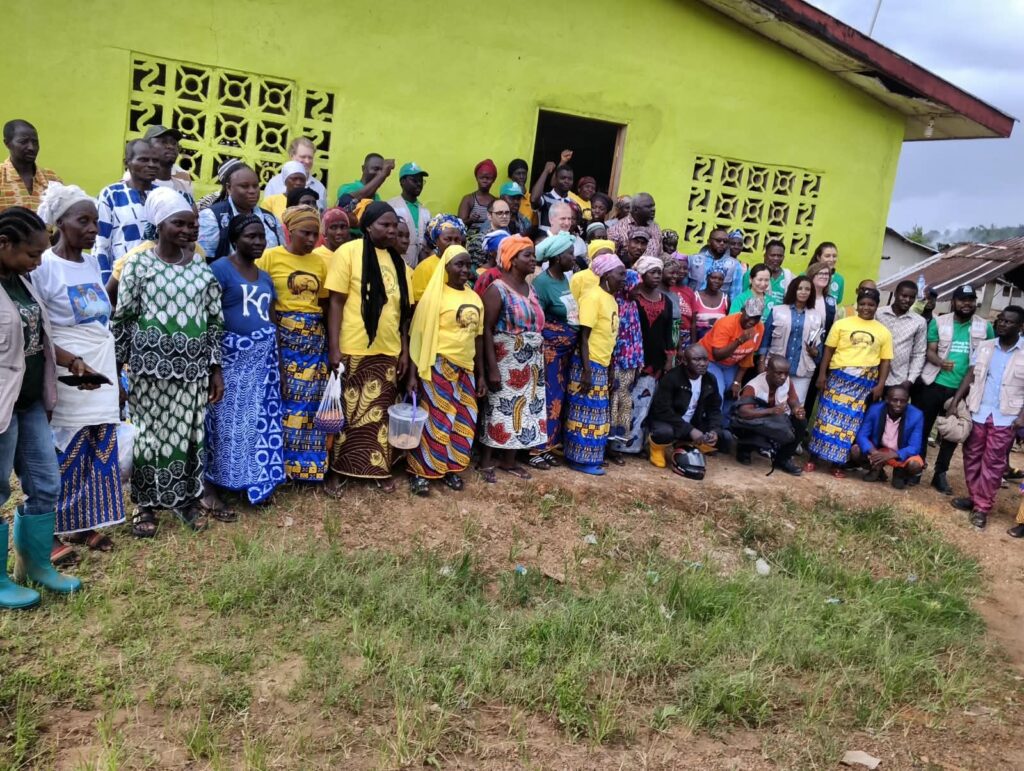
GBOJAY, Bomi County — Women in Bomi County say a World Bank-funded empowerment project is helping them expand small businesses, provide for their children and strengthen their financial independence through village savings groups.
By Emmanuel Degleh
The women shared their experiences during a field visit by the Ministry of Gender, Children and Social Protection and a World Bank delegation to assess progress under the Liberia Women Empowerment Project (LWEP).
Fatu Sonnie, chairlady of the Koukantunor Women’s Group, praised the government for supporting grassroots women, saying the initiative was turning long-standing promises of women’s empowerment into tangible results.
“Before, when money came into this country, we just used to hear about it, but we did not see it,” Sonnie said.
Satta Massaly, an LWEP beneficiary, said participating in village savings activities had helped her improve her vegetable gardening and petty trading, enabling her to provide for herself and her children as a single mother.
Oretha Cooper, secretary-general of the Welekerma Village Savings Group, said the group received an initial grant of $4,000 and was committed to using the funds in accordance with the project’s guidelines.
Cooper said members were providing loans to one another at a 10% interest rate to finance small businesses and other income-generating activities.
She said the funds must not be used for prohibited activities, including selling gasoline, purchasing motorcycles or producing charcoal.
Cooper also appealed to project managers to extend the initiative to other women’s groups that were not selected to benefit.
Momo Gbah, a resident of Zubah Town and a male representative involved in the project, said women’s economic empowerment could promote peace and stability within households.
He said financial difficulties could create tension in families when men struggled to meet household needs, adding that improving women’s economic independence could help ease such pressures.
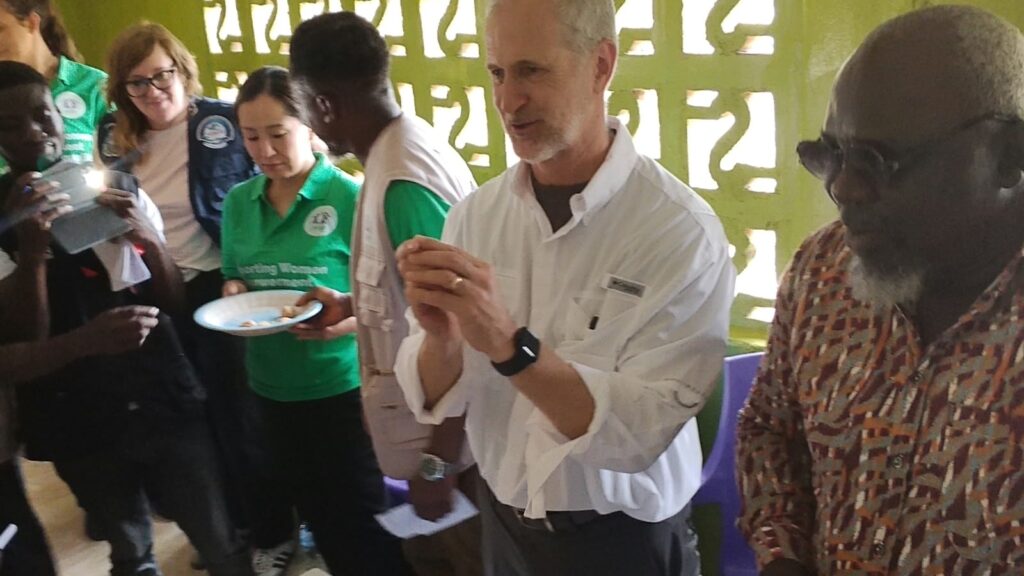
A Start Awareness Support Action (SASA) drama performance offered valuable lessons on how harmful attitudes and behaviors can lead to violence, highlighting the importance of healthy, respectful relationships in building peaceful communities. The performance encouraged reflection and shared learning among visiting delegates and residents of Gbojay.
The SASA drama is a community mobilization approach designed to challenge harmful social norms, promote gender equality and prevent gender-based violence, particularly intimate partner violence. Under LWEP, the approach encourages communities to address unequal power relations and work toward preventing violence against women and girls.
For his part, Robert Chase, the World Bank’s practice manager for social protection and jobs, welcomed the beneficiaries’ accounts, saying the project was helping advance women’s empowerment and community resilience.
“For women to be empowered, people have to talk about it openly. I am impressed with the discussions I have heard so far. Women must know their rights in order to be empowered,” Chase said.
He said opportunities for women to save collectively, repay loans with interest and establish businesses could strengthen their financial independence and benefit their communities.
Chase said he hoped the project could serve as a model for similar initiatives across West Africa and beyond.
The field visit in Gbojay focused on LWEP activities, including village savings and loan associations, individual enterprises and community efforts to prevent violence against women and girls.
The Liberia Women Empowerment Project is a government initiative implemented by the Ministry of Gender, Children and Social Protection with financing from the World Bank. It supports women’s livelihoods, access to basic services and participation in community development while promoting efforts to prevent violence against women and girls.
The project operates in Bomi, Gbarpolu, Grand Cape Mount, Grand Gedeh, Montserrado and River Cess counties.



Discussion about this post