


Published: October 14, 2026
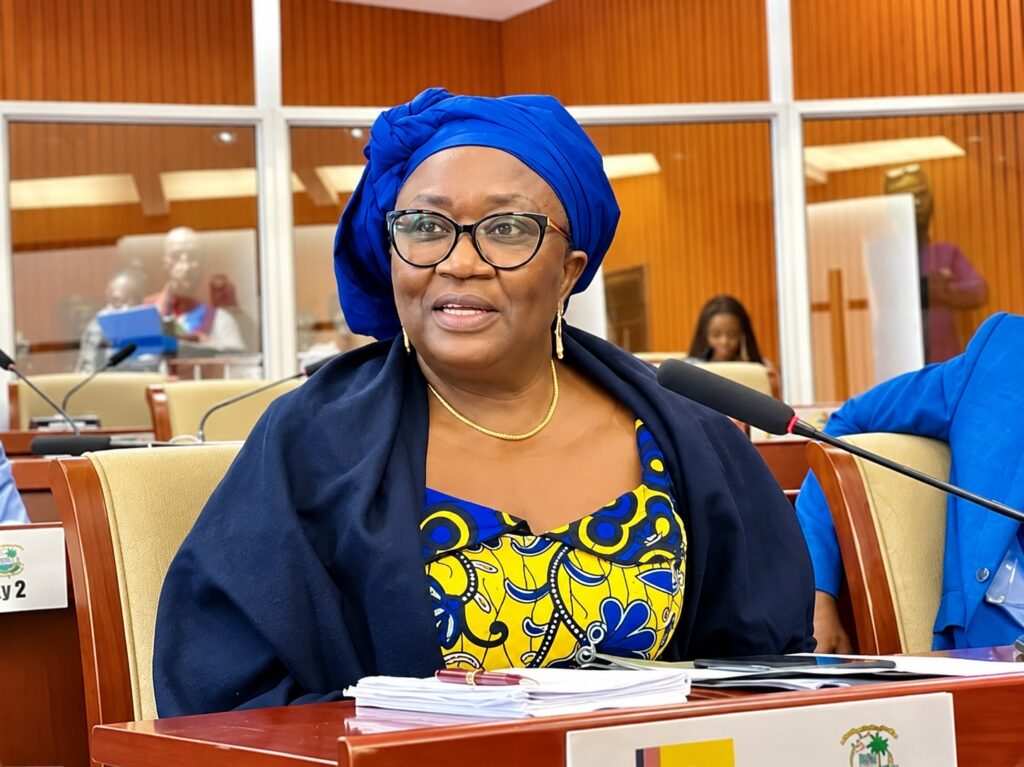
MONROVIA – Pregnant women in remote parts of Liberia are reaching health facilities only after their conditions have deteriorated because maternal waiting homes are scarce, the chair of the Senate’s health committee told lawmakers Tuesday, warning that the community health workers who encourage those women to seek care depend on donor money that is declining.
By Blamo N. Toe
Grand Cape Mount County Sen. Dabah M. Varpilah, who chairs the Senate Committee on Health, presented the findings to the Senate plenary from a recent committee tour of health facilities in several counties. She told colleagues that at least one referral hospital has relied for about a decade on volunteers outside the government payroll, and that some facilities use equipment as old as 15 years.
“One of the major challenges was the limited availability of maternal waiting homes in rural and hard-to-reach communities,” Varpilah said.
She said the shortage has delayed access to emergency obstetric care and put pregnant women in remote communities at greater risk of complications and death. By the time some of them arrive at a facility, she said, their conditions have worsened to the point that medical staff struggle to treat them effectively.
Varpilah said some facilities have depended on volunteers for more than 10 years. She acknowledged that some volunteers are on the government payroll but asked the Legislature to regularize the employment of those still working without regular salaries.
“At one of the referral hospitals, particularly, there are more than 20 volunteers who have served for approximately 10 years. Some have spent more than a decade volunteering at these health facilities,” she said.
The committee also found facilities short of specialized health workers, Varpilah said, adding that some treat patients from neighboring countries as well as Liberians, which strains staff, equipment, and other resources.
“Another issue concerns the shortage of specialized health workers. We are also going to request additional personnel to help these facilities cope with the challenges they are experiencing,” she said.
On equipment, she said: “We went to some facilities where they had equipment that was as old as 12 to 15 years. Some of the equipment is no longer functional.”
Varpilah said recent budget increases have allowed some facilities to buy X-ray machines and other essential equipment, but significant gaps remain. Several facilities also still struggle to maintain reliable electricity despite efforts to improve access, she said. The committee’s detailed report will break down equipment shortages and other problems county by county, she said.
Varpilah also warned that the Community Health Assistant program, which provides basic care to communities more than 5 kilometers from the nearest health facility, remains heavily dependent on international development partners at a time when donor assistance is declining. Some counties still rely on external funding for the assistants and last-mile care, she said, while workers in other counties are serving as volunteers.
She said the assistants encourage pregnant women to seek antenatal care and deliver at health facilities rather than at home, which she described as central to reducing maternal deaths, and help families recognize and seek treatment for illnesses such as malaria in children under 5.
“In those situations, knowing that many of us come from rural areas, we understand that when people do not have health facilities close to them, they are sometimes reluctant to travel long distances to receive medical care,” Varpilah said. “So the Community Health Assistants provide encouragement and support to people in those communities.”
She called on the government and its partners to find sustainable funding for the program and retain workers in remote areas, and urged senators to act on the committee’s findings.






Discussion about this post