


Published: October 9, 2026
MONROVIA — Liberia’s trial judiciary is preparing to join a major international gathering of judges in Lisbon, Portugal, where judicial independence, the rule of law, human rights, and the protection of judges will dominate discussions among judicial leaders from nearly 90 countries.
By Melvin Jackson
The National Association of Trial Judges of Liberia (NATJL) is expected to send a two-member delegation to the 68th Annual Meeting of the International Association of Judges (IAJ), scheduled for Oct. 15-21, 2026.
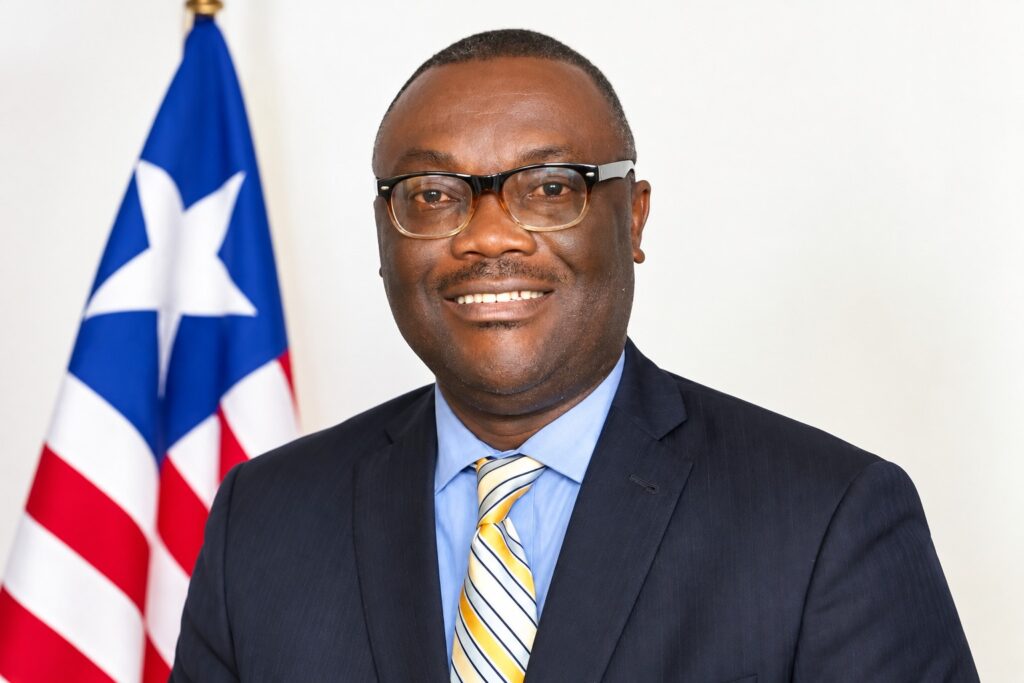
The Liberian delegation will include NATJL President Judge Ousman F. Feika and the association’s secretary-general, who will join judges and representatives of judicial associations from Africa, Europe, Asia, North America, Latin America and Oceania for the weeklong gathering.
The IAJ, in collaboration with the Portuguese Association of Judges, will organize the meeting at the Pavilhão de Portugal in Lisbon.
The international gathering comes amid ongoing concerns about judicial independence, political interference in judicial proceedings, and the welfare of judges in several countries, placing renewed attention on the role of judicial associations in protecting the integrity of justice systems.
For Liberia, participation in the conference is expected to provide an opportunity to strengthen international judicial cooperation, exchange professional experiences and explore approaches to improving judicial administration and protecting judges from external pressures.
A major highlight of the annual meeting will be an international conference on “The Role of Judicial Associations,” scheduled for Oct. 18.
The conference will examine how national and international judicial associations can safeguard judicial independence, promote human rights and strengthen the rule of law, particularly in countries where judicial officers face political, institutional or financial pressures.
Among the scheduled speakers is Professor Margaret Satterthwaite, the United Nations special rapporteur on the independence of judges and lawyers, who is expected to deliver the keynote address.
Her participation is expected to highlight international standards governing judicial independence and the responsibilities of governments and judicial institutions to ensure judges can perform their duties without intimidation or improper interference.
Representatives from judicial associations worldwide will also examine the role of professional organizations in protecting judges’ rights, improving working conditions, and maintaining public confidence in the administration of justice.
According to the official program, delegates will arrive in Lisbon on Oct. 15, followed by regional meetings and the formal opening ceremony on Oct. 16.
The gathering will feature deliberations of the IAJ Central Council, four specialized study commissions and regional groups, including the African Regional Group, which provides a platform for judicial associations across the continent to discuss shared challenges.
The four study commissions will examine issues in constitutional, civil, criminal, and labor law, allowing participating judges to compare legal practices, judicial experiences, and emerging challenges across jurisdictions.
The Oct. 18 international conference will be followed by additional Central Council meetings and other professional engagements before the gathering concludes ahead of delegates’ departure on Oct. 21.
The IAJ, which brings together national associations of judges from about 90 countries, serves as an international platform to promote judicial independence and strengthen cooperation among judicial professionals.
Its annual meetings give judges opportunities to discuss threats to judicial autonomy, examine developments affecting justice systems, and adopt positions on issues critical to the rule of law.
The organization’s previous annual meeting, held in Baku, Azerbaijan, in October 2025, brought together judicial representatives from different continents to examine relations between the judiciary and the executive and legislative branches of government.
Discussions at that gathering emphasized the importance of maintaining the separation of powers, protecting judicial institutions from improper interference and strengthening the independence of judges.
The meeting also addressed developments affecting judicial institutions in several countries, and participants adopted statements and resolutions on judicial independence.
Liberia’s participation in this year’s gathering is particularly relevant as the country’s judiciary continues to confront questions surrounding institutional independence, professional welfare, judicial ethics and the effective administration of justice.
The NATJL, which represents trial-level judicial officers across Liberia, has identified judicial independence, professional standards and continuing legal education among its areas of interest.
Through its participation, the association is expected to engage international counterparts on approaches to improving judges’ working conditions, strengthening professional development and promoting greater institutional accountability.
The gathering could also give Liberia’s trial judges opportunities to build stronger relationships with judicial associations across Africa and other regions, particularly in judicial training, legal education, and professional cooperation.
Judicial independence remains a fundamental principle of democratic governance, requiring judges to decide cases impartially and in accordance with the law, without improper influence from political authorities, government institutions or private interests.
For Liberia’s two-member delegation, the Lisbon meeting is expected to provide an international platform to share experiences from the country’s justice system while learning from reforms and institutional safeguards adopted in other jurisdictions.
The association’s participation could further contribute to ongoing discussions about strengthening Liberia’s judicial institutions, improving professional standards and ensuring that judges are adequately protected in the discharge of their constitutional responsibilities.
The 68th IAJ Annual Meeting is expected to conclude with renewed commitments among participating judicial associations to defend judicial independence, uphold the rule of law and strengthen cooperation in addressing challenges confronting justice systems worldwide.







Discussion about this post