


Published: October 6, 2026
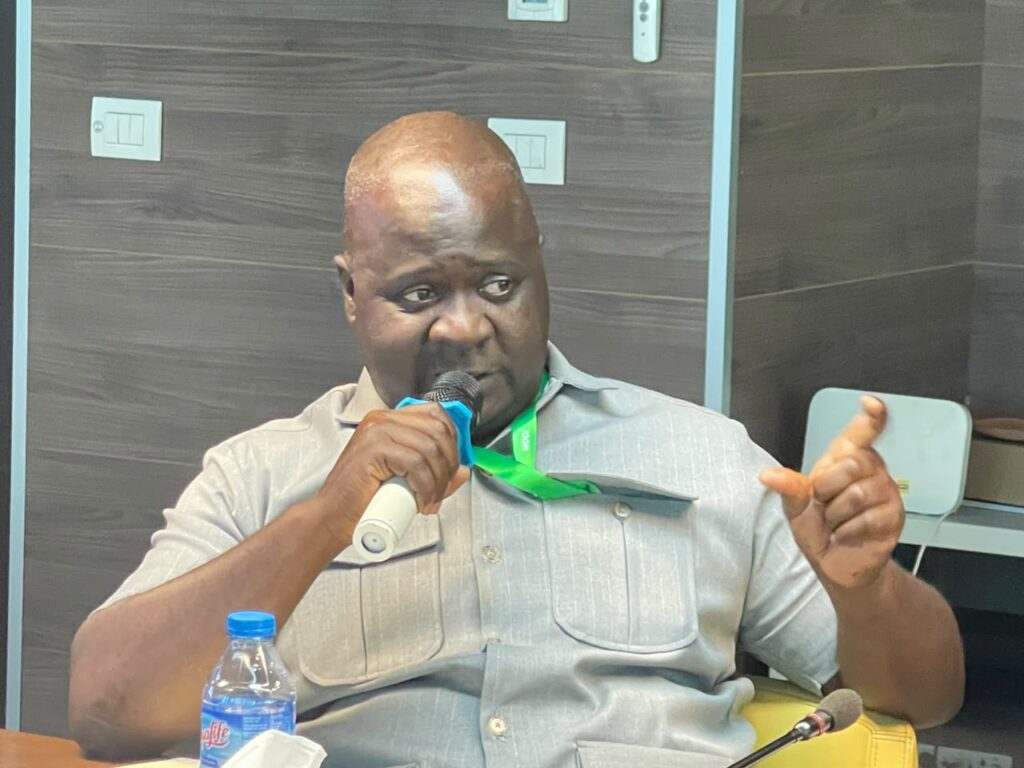
MONROVIA – Supermarkets, wholesalers and retailers may soon have to post the Central Bank of Liberia’s daily exchange rate. The Commerce Ministry announced Tuesday that it will work with the bank to require it under a five-point plan meant to ensure a stronger Liberian dollar translates into lower prices.
Acting Commerce and Industry Minister Stephen M. Yekeson Jr. unveiled the measures after the Central Bank held its monetary policy rate at 16%. The bank also raised the reserve requirement on U.S. dollar deposits from 10% to 12%.
“A strong dollar is only half the story,” Yekeson said. “The other half is whether a woman selling in Rallytime Market and the family in Barday can feel in their pockets this effect.”
Requiring businesses to display the bank’s daily rate is meant to stop consumers being charged at outdated or arbitrary exchange rates, Yekeson said. Under the other four measures, the ministry will:
- monitor and regularly publish prices of essential goods, including rice, fuel, flour, sugar, cooking oil and cement
- put more market inspectors and consumer protection officers in markets and shops across the country
- review import-related fees and avoidable supply-chain costs with the Ministry of Finance and Development Planning
- digitize the import permit system and link it to the Liberia Revenue Authority, giving the government a view of inventory and prices from the port to the shop shelf
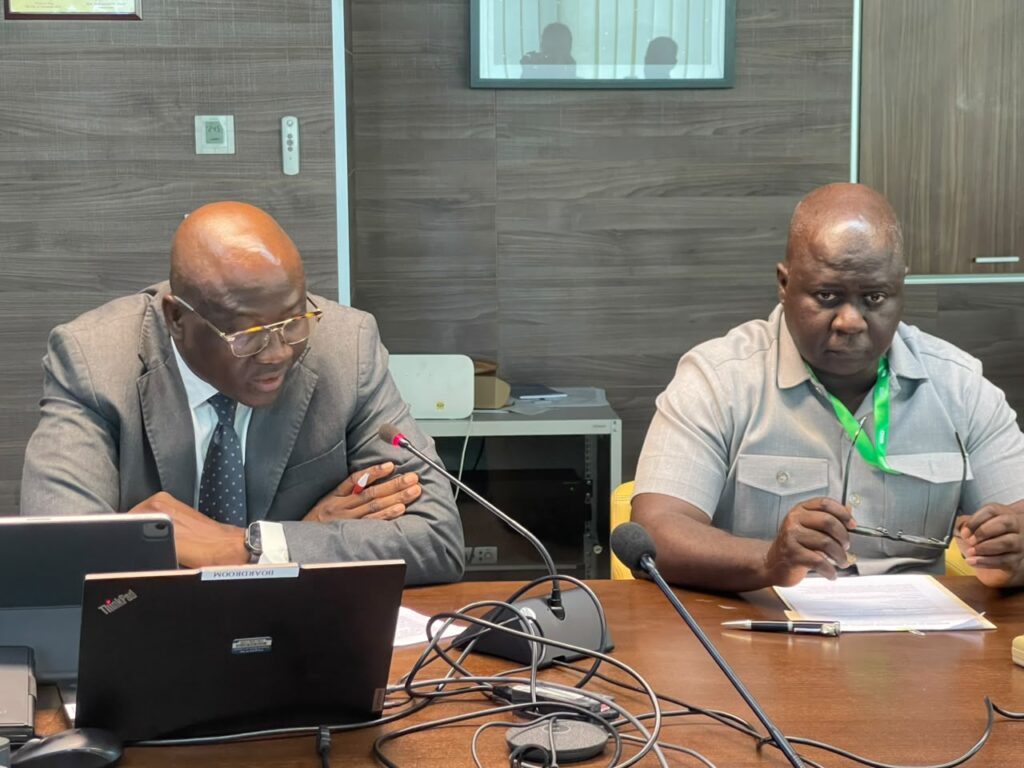
He said the aim is not to undermine legitimate businesses, but to ensure that consumers receive honest value.
Yekeson attributed the dollar’s gains to rising iron ore and gold exports, steady remittances, stronger reserves, and tight monetary policy. He said part of the movement also reflects the supply of Liberian dollar banknotes and seasonal demand, and that the government wants the gains to rest on production and trade. He warned that a stronger currency could cut the Liberian dollars farmers and processors receive for their goods and make Liberian goods less competitive in the region. He said the ministry will monitor farm-gate prices.
Reading Monetary Policy Communique No. 28, Central Bank Executive Governor Henry F. Saamoi said the committee held the rate to sustain recent stability, keep the exchange rate stable and anchor inflation expectations.
“The current policy stance remains appropriate given the continued moderation in inflationary pressures, improved foreign exchange market conditions, adequate international reserve buffers, and the resilience of the domestic banking sector,” Saamoi said.
The reserve requirement on Liberian dollar deposits stays at 25%. The committee also narrowed the interest rate corridor around the policy rate, a move the bank said would strengthen policy transmission and reduce risks tied to Liberia’s heavy use of U.S. dollars.
The bank said inflation eased to an estimated 4.5% from 5.4% the previous quarter, and it expects about 4.6% in the fourth quarter. It projects growth of 5.5% in 2026, up from 5.1% in 2025, driven by mining, manufacturing and services.
Banks remain well capitalized, with a capital adequacy ratio of 38.64% against a 10% minimum. But nonperforming loans stand at 13.38%, above the 10% benchmark. Saamoi called that a significant medium-term risk that limits lending to productive sectors.
Gross international reserves cover about 3.3 months of imports, slightly above the ECOWAS benchmark of three months, though the trade deficit is widening. The committee’s next meeting is Jan. 20, 2027.




Discussion about this post