


Published: October 5, 2026
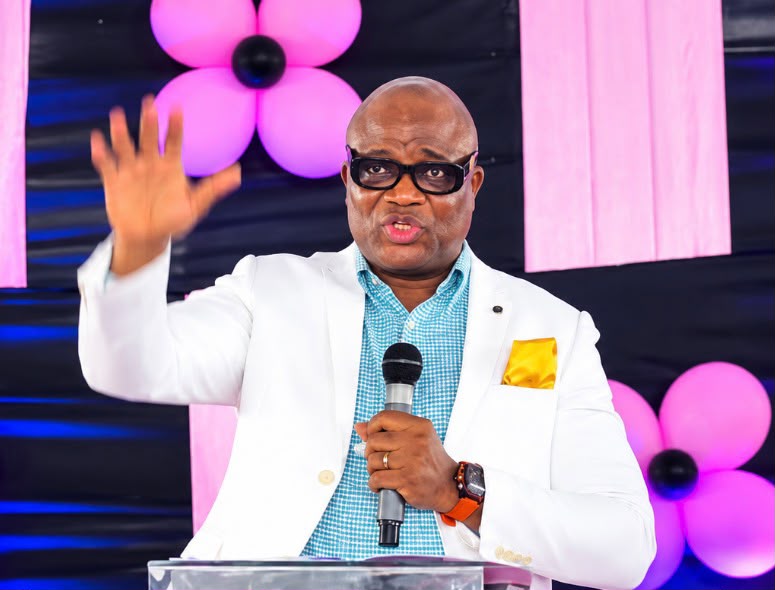
PAYNESVILLE, Montserrado County – Movement for Progressive Change political leader Simeon Freeman turned a high school graduation into a platform on national leadership Sunday, asking what would change if Liberians “elected proper leaders to move our country forward” and urging graduates to build solutions rather than wait for jobs.
By Gibson Gee
Freeman delivered the keynote at Paynesville SDA High School’s 21st graduation, held at the Samuel Kanyon Doe Sports Complex basketball gymnasium before school administrators, government officials, parents and teachers.
He built the address around a single recurring question, “What if?”, urging graduates to use it to examine problems rather than accept the status quo.
“Your focus must not be money. Your focus must be providing services and solutions,” Freeman told them.
The remarks came a week after Freeman joined former President George Weah, Alexander Cummings and other opposition leaders in signing a joint communique at the Sinkor Palace on Sept. 27, pledging to hold the Boakai government accountable while leaving the question of a 2029 ticket open.
Freeman tied governance to the cost of living, arguing that increases in rent, school fees and transportation feed on one another and eventually reach households. He also questioned Liberia’s reliance on exporting raw resources.
“What if we were not just asking for gold, but we were adding value to gold?” he asked.
Drawing on his own business, Freeman described trying to source cattle more cheaply than through established trading routes, a move he said ran into logistical obstacles and resistance from established players. Rather than abandon it, he said, he found alternative routes and expanded from importing cattle into retailing.
“Every solution to a problem needs many more challenges,” he said.
He pointed to Netflix’s shift from video rentals to global streaming as an example of adapting before changing conditions overtake a business.
Freeman recalled spending years between high school and college and relying heavily on himself, an experience he said shaped how he approaches problems. He urged graduates entering a tight job market to start by asking “What is?”, identifying a problem before designing a solution, and to build services and businesses around unmet needs in their communities.





Discussion about this post