


Published: September 25, 2026
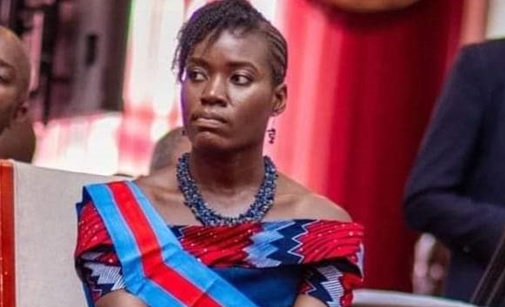
MONROVIA — Liberia’s agreement to take up to 1,200 people deported from the United States violates the Constitution and undermines the country’s credibility on the U.N. Security Council, Liberian academic Robtel Neajai Pailey argues in a commentary calling on the government to cancel agreements with Washington that breach national law.
By David Menjor
Pailey, writing Thursday in Al Jazeera English, said the Legislature never debated or approved the deal and that the executive authorized it alone. Article 34(f) of the Constitution gives the Legislature power to approve “treaties, conventions and such other international agreements negotiated or signed on behalf of the Republic.”
“On that basis, implementing the agreement without legislative approval is unconstitutional,” she wrote. She called the arrangement “politically fraught, ethically suspect and illegal.”
Her commentary, titled “Liberia is squandering the moral authority it claims at the UN,” comes as Liberia prepares to take the rotating presidency of the Security Council in December as a nonpermanent member. Pailey argues that Liberia has spent its time on the council presenting itself as a principled voice on the humanitarian cost of war, and that hosting people expelled by Washington contradicts that position.
The first 20 deportees, most of them from Latin American countries including Venezuela and Cuba, arrived at Roberts International Airport on Aug. 20. Pailey said the agreement was signed Sept. 10, 2025.
Pailey, who researches migration in Liberia, said officials would not show her the agreement. She said Foreign Minister Sara Beysolow Nyanti told her it was “at the level of the National Security Council” and could not be shared. The president’s national security adviser professed not to know about it, and the director of the National Security Agency acknowledged having it but has not responded, she wrote. The then-justice minister, now acting defense minister, told her it was classified because it was concluded with a foreign country. She said she eventually found it on the U.S. State Department’s website.
She also disputes the government’s statement that Liberia did not demand or receive compensation. Citing an Aug. 21 New York Times report, she said Trump administration officials agreed to pay Liberia US$5 million for accepting deportees.
“How was the US$5m negotiated and by whom?” she wrote. “What exactly does funding cover? How are resources being channeled if not through Liberia’s budget? Who manages the money? How are expenses monitored and reported?”
When it announced the deal in August, the government said the deportees would be received as “guests of the Republic,” would be free to leave, could apply for asylum, and would receive services with help from the International Organization for Migration and the U.N. refugee agency. It said Liberia had not demanded or received compensation.
Pailey said deportees reported being detained in the United States without due process and chained on the flight to Liberia, treatment she argues may breach the Universal Declaration of Human Rights. She said the arrangement may also breach the 1967 Protocol Relating to the Status of Refugees, the Convention Against Torture and the International Covenant on Civil and Political Rights. No court has ruled on those claims.
Some deportees who refused to leave the plane were flown on to Equatorial Guinea. Reuters put the number at five; Pailey puts it at six.
Pailey places the deal in a century of unequal agreements with Washington, including the 1926 arrangement under which Liberia took a US$5 million loan from a Firestone subsidiary and granted the company a 99-year lease on 1 million acres. She also cites a health cooperation memorandum signed last December, under which she says Liberia gave the United States access to citizens’ health data in exchange for more than US$124 million in planned assistance.
“By accepting mostly Black and brown deportees under such questionable arrangements,” she wrote, Liberia is complicit in U.S. expulsions that would shame the formerly enslaved and free Black Americans who founded it.
She said Liberia must cancel agreements with the United States that weaken its autonomy, violate national laws and erode citizens’ trust.






Discussion about this post