


Published: August 3, 2026
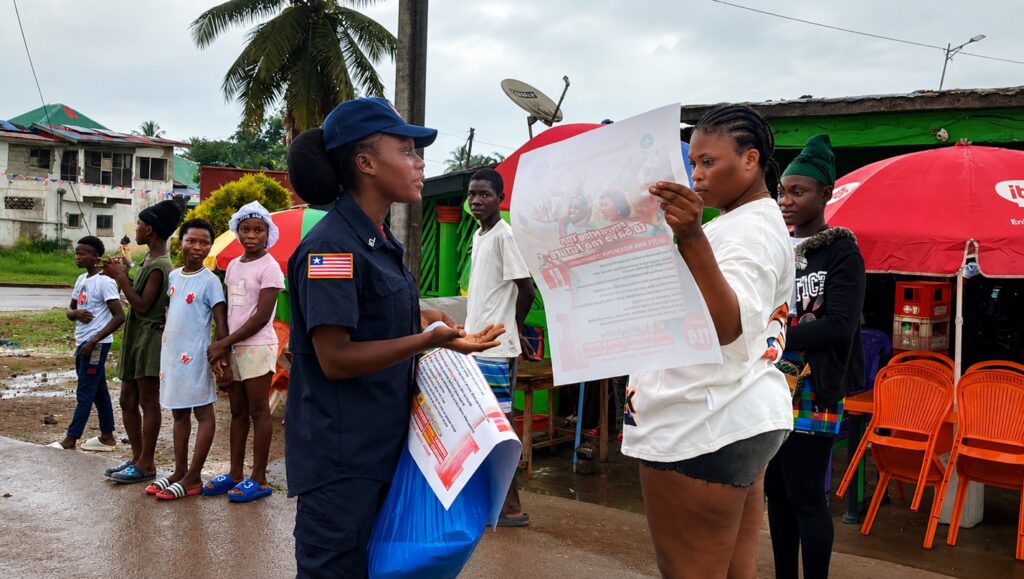
The first fire Luzekiel K. Solee had to get past was not burning anything. It was the assumption, held by almost everyone she told, that firefighting was work for men.
She joined the Liberia National Fire Service after completing secondary school and trained there in firefighting and emergency response. The job she does now goes well beyond putting out fires. She responds to fire outbreaks, carries out rescues, teaches communities how to prevent fires in the first place, and works with her team to protect lives and property.
She chose it on purpose. “I have always wanted a career where I could make a positive difference in people’s lives,” she says. She knew how the profession was seen. She decided it did not describe her. “I believed my passion, determination, and willingness to serve were more important than gender. I wanted to prove that women are equally capable of handling the responsibilities of this profession.”
Most days do not begin with an emergency. They begin with a briefing and an inspection of the equipment and the fire trucks, making certain everything works before it is needed. There is physical training, there are drills, and there are fire safety education programs out in communities. The rest of the day is standby, which is its own discipline: waiting, ready, for a call that may not come and may come at any second.
When it does come, it can be the kind of thing that stays with a person. Solee remembers one residential fire in particular, where families stood and watched their homes and everything in them go. “Seeing people in distress was emotionally difficult,” she says, “but it reminded me why our work is so important. The experience strengthened my commitment to serving the public and responding with compassion and professionalism.”
Compassion is not a word people expect on a list of firefighting qualities, but she puts it there alongside the obvious ones. Every firefighter, she says, should be courageous, disciplined, physically fit and mentally strong, with good communication, teamwork and the ability to decide quickly. Then compassion, because emergencies are not only technical problems. They are people having the worst day of their lives.
She trains for the physical part and prepares deliberately for the rest. A regular fitness routine, continuous training exercises, healthy habits. Mentally, she says, she stays positive and keeps learning, reminding herself that every emergency asks for focus and confidence.
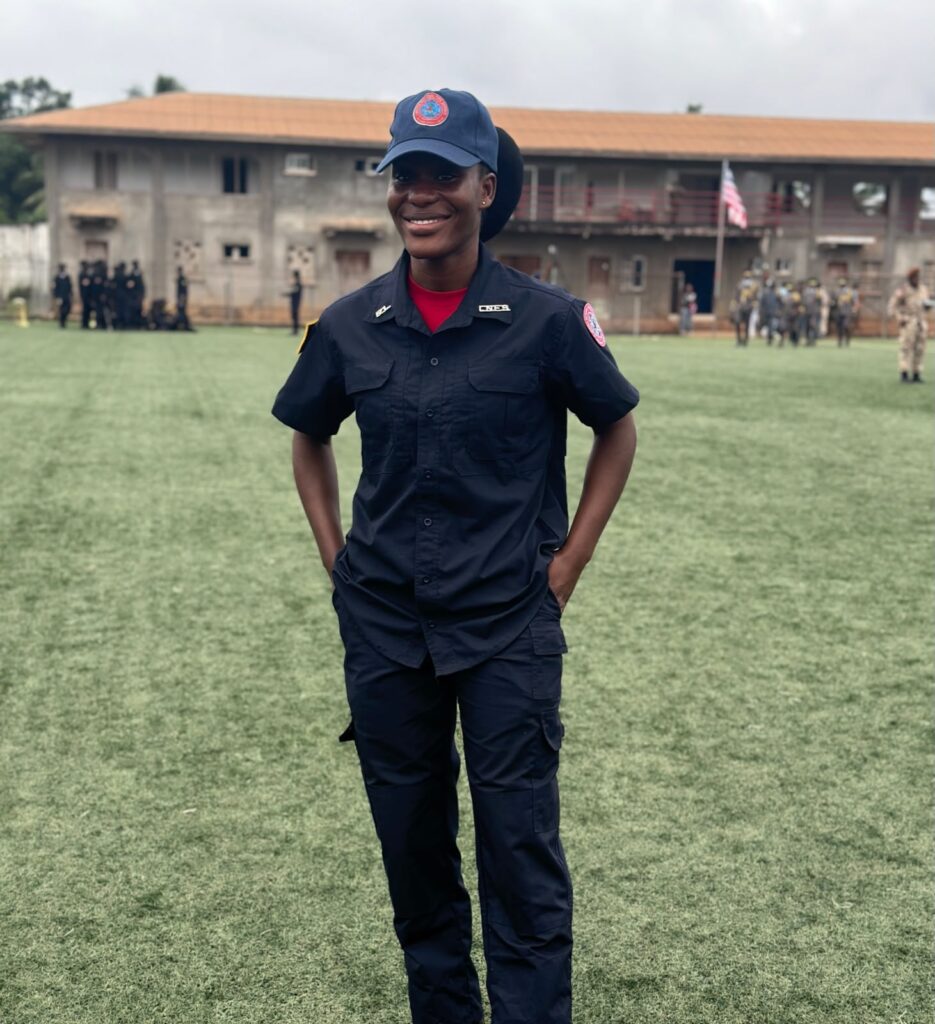
The obstacle she still meets most often is not the work. It is people’s assumptions about who is doing it. “Sometimes people doubt my abilities before they see me perform,” she says. She has been underestimated for her age as well as her sex. “Instead of becoming discouraged, I responded by remaining professional, working hard, and consistently demonstrating my abilities. Over time, my performance earned the respect and confidence of others.”
Away from the station, she says, balancing the job with everything else takes planning and discipline. She spends her time off with family and friends, resting and looking after herself, because the work does not permit her to arrive depleted.
Her family, her mentors and her colleagues have been her strongest support, and she credits their belief in her with carrying her through the harder stretches.
Asked for the proudest moment of her career so far, she does not name a promotion or a commendation. She names a rescue. “Knowing that I contributed to helping people during a crisis gave me a great sense of purpose and pride.”
She wants to lead eventually. Her ambition inside the fire service is a leadership position where she can mentor younger firefighters, help improve emergency response and strengthen the institution itself. It is not the title she talks about. It is the mentoring.
“Gender should never determine what someone can achieve,” she says. “With hard work, determination, and confidence, women can succeed in any profession they choose.”
She proves it the only way that counts, which is by turning up. When the alarm sounds and everyone else is moving away from whatever is burning, Luzekiel K. Solee is moving toward it. Not to make a point. Because someone needs help.






Discussion about this post