


Published: July 27, 2026
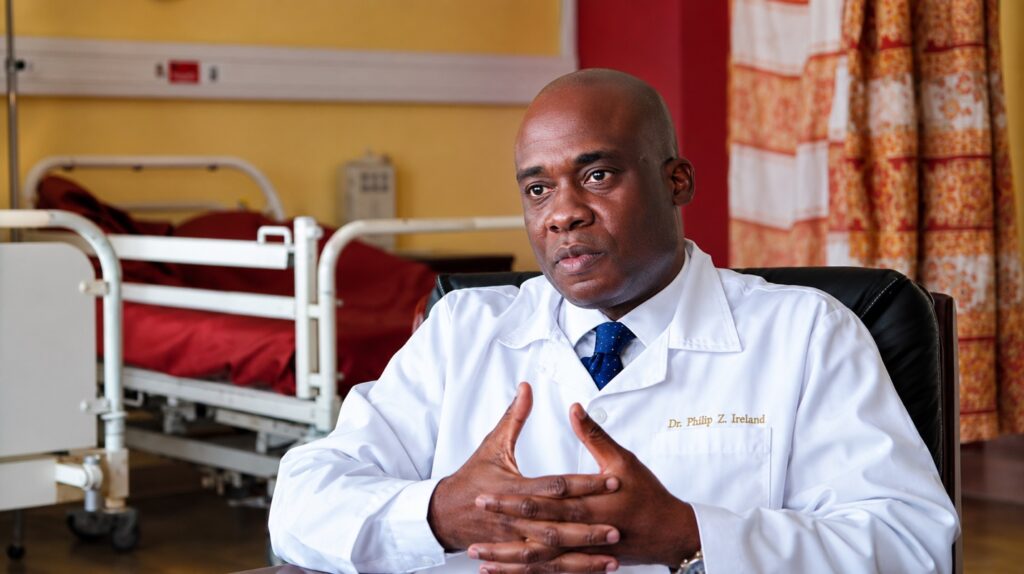
MONROVIA – About one in every three deaths in Liberia is now caused by a non-communicable disease, and nearly 200,000 adults are living with diabetes, many of them unaware of it until the damage surfaces as a stroke, a heart attack or kidney failure.
Dr. Philip Z. Ireland, consultant physician in internal medicine and endocrinology at the John F. Kennedy Medical Center, said hypertension and diabetes are routinely detected only after they have already caused irreversible harm.
“Hypertension is often referred to as the ‘silent killer’ because people can live with it for years without symptoms while it gradually damages vital organs,” Ireland said. “The first sign may unfortunately be a stroke, heart attack, kidney failure, or even sudden death.”
The two conditions often occur together. People with diabetes are about twice as likely to develop hypertension as those without it, Ireland stated, and when both are present, the risk of cardiovascular disease, stroke, kidney failure, blindness, and early death increases significantly. They also share risk factors, including obesity, poor diet, physical inactivity, age, and family history.
Recent estimates put diabetes prevalence at about 9% of Liberian adults between 20 and 79, or close to 200,000 people. Health data cited by Ireland attribute roughly a third of all deaths in the country to non-communicable diseases, with cardiovascular illness, including the consequences of untreated high blood pressure, among the leading causes.
Health professionals attribute the climb to urbanization, changing diets, falling physical activity, population growth and an aging population.
“Modern lifestyles have significantly increased the burden of these diseases,” Ireland said. He pointed to processed foods, heavy salt and sugar consumption, tobacco, alcohol, poor sleep and chronic stress as drivers of obesity, insulin resistance and raised blood pressure.
The detection problem is the sharpest edge of the crisis. Diabetes can manifest through excessive thirst, frequent urination, increased hunger, unexplained weight loss, blurred vision, fatigue, repeated infections, slow-healing wounds, and numbness in the feet. Hypertension often shows no symptoms at all, and when symptoms do appear, such as headaches, dizziness, blurred vision, nosebleeds, palpitations, or shortness of breath, blood pressure has usually already become dangerously high.
“Many people feel healthy while internal damage is occurring,” Ireland said. “By the time symptoms appear, complications may already have developed.”
He advises that every adult get their blood pressure checked at least once a year, with more frequent checks for those with known risk factors. For diabetes, he suggests screening every one to three years for adults over 35, starting earlier and screening more often for people who are obese, have a family history of the disease, or other risk factors.
Those at highest risk include adults over 40, people who are overweight, smokers and heavy drinkers, the physically inactive, people eating diets high in salt, sugar and unhealthy fats, and those living with chronic stress or kidney disease. Family history raises risk but does not determine the outcome.
“Healthy lifestyle choices can substantially reduce the risk and delay or even prevent the onset of these conditions,” Ireland said.
Both conditions are largely preventable and manageable if diagnosed early. Ireland recommends at least 150 minutes of physical activity weekly, maintaining a healthy weight, reducing salt intake, cutting back on sugary drinks and processed foods, increasing fruit and vegetable consumption, avoiding tobacco, limiting alcohol, managing stress, and scheduling regular checkups.
“Hypertension and diabetes are among the greatest health challenges facing Liberia today. The good news is that both conditions are largely preventable and can be effectively managed when detected early,” he said.
His appeal to the public is simpler still: “Know your numbers, protect your future.”






Discussion about this post